

Selecting the perfect lockout safety lock can feel like a bit of a head-scratcher. Just like you, we’ve had to wrap our heads around the best way to pair locks with different workplace requirements and totally get how vital they are for keeping the team safe on site. With compliance to OSHA’s LOTO standards helping cut down injury rates – something not lost on us – we’ve put in the hard yards researching for this guide. Our insights are about shedding light on finding a spot-on lockout system that suits your business down to the ground. Let’s get stuck in for a safer workspace!
Understanding Lockout/Tagout (LOTO) Procedures
Understanding Lockout/Tagout (LOTO) procedures is crucial in ensuring workplace safety. It involves the use of safety devices and equipment to prevent the release of hazardous energy during maintenance or servicing activities.
Compliance with HSE standards for LOTO is essential in maintaining a safe work environment.
Importance of LOTO in workplace safety
Lockout/Tagout (LOTO) is vital for maintaining a safe work environment, especially when dealing with hazardous energy. Uncontrolled energy sources can lead to severe accidents, making LOTO procedures essential for ensuring that machinery is properly shut off and not started up again before the completion of maintenance or repair work.
As business owners, we prioritise our employees’ safety by implementing strict LOTO protocols to prevent accidental start-ups and related injuries.
Our responsibility extends beyond just following regulations; it’s about safeguarding lives. Each lockout/tagout step helps minimise risks in the workplace, from electrical shocks to mechanical mishaps.
We equip our teams with the necessary lockout devices and clear instructions for effective use during service or maintenance activities. By rigorously applying these safety measures, we not only comply with HSE standards but also foster a culture of caution that emphasises the importance of every individual’s well-being on site.
OSHA standards for LOTO
Now that we understand the importance of lockout/tagout (LOTO) procedures in workplace safety, let’s delve into the Occupational Safety and Health Administration (OSHA) standards for LOTO.
OSHA requires employers to establish a comprehensive energy control programme to ensure the use of lockout/tagout or tagout systems for isolating energy sources during maintenance.
These standards aim to protect workers from hazardous energy while servicing equipment, ensuring machines are properly shut off and cannot be started up again prior to completion of maintenance or servicing work.
It also mandates specific procedures for affixing appropriate lockout or tagout devices before commencing with any repair or maintenance activities.
Employers must develop a written LOTO policy outlining the safety measures and procedures employees should follow when working with potentially hazardous energy sources. Additionally, regular inspections are necessary to verify that authorised employees are adhering to these practices consistently.
Types of lockout safety devices
When selecting lockout safety devices, it’s essential to consider various factors such as the material, size, and compliance. Lockout safety locks provide a crucial layer of protection for maintenance equipment, ensuring the safety of employees and compliance with regulations.
- Keyed Different vs. Keyed Alike: Lockout safety locks are available in both keyed different and keyed alike options. Keyed different locks require separate keys for each lock, providing individual access control. On the other hand, keyed alike locks can be opened with the same key, offering convenience when dealing with multiple locks.
- Non-Conductive Materials: Some lockout safety locks are constructed from non-conductive materials such as thermoplastic or nylon to prevent electrical conductivity. These non-conductive materials are ideal for use in electrical environments where the risk of electrical shock exists.
- Customisable Labels: Certain lockout safety locks come with customisable labels that allow businesses to add specific information such as employee names, departments, or instructions directly onto the lock. This feature enhances communication and clarity during maintenance procedures.
- Multi-Coloured Options: Lockout safety locks are available in a range of vibrant colours, allowing for easy identification and classification based on different purposes or departments within a facility. This colour-coding system aids in quick recognition and enhances organisation during lockout/tagout procedures.
- Weather-Resistant Designs: For outdoor applications or harsh environments, opting for weather-resistant lockout safety locks is crucial. These designs can withstand exposure to elements like rain, sunlight, and extreme temperatures without compromising their functionality.
- Integrated Shackle Solutions: Some lockout safety locks feature integrated shackle designs that provide added security and convenience during use. These integrated shackles reduce the risk of misplacement or loss while ensuring efficient locking and unlocking operations.
- Universal Fitment: Certain lockout safety locks offer universal fitment options designed to accommodate a wide range of equipment types and sizes, providing versatility and adaptability across diverse maintenance scenarios.
- Strong Tamper Resistance Features: Lockout safety devices also include strong tamper resistance features such as hardened steel shackles or anti-pick cylinders to prevent unauthorised access attempts during maintenance procedures.
Choosing the Right Lockout Safety Lock
When it comes to choosing the right lockout safety lock, there are several factors to consider such as material, size, and compliance. Understanding the benefits of using lockout safety locks and the importance of keying in LOTO procedures is crucial for workplace safety.
Factors to consider (material, size, compliance)
When choosing a lockout safety lock, consider the following factors:
- Material: Select a lock made from durable materials such as steel or reinforced plastic to withstand industrial environments.
- Size: Ensure the lock is the appropriate size to fit securely on the locking mechanism without being easily tampered with.
- Compliance: Verify that the lock meets relevant industry standards and regulations for lockout/tagout procedures, ensuring legal compliance and workplace safety.
Benefits of using lockout safety locks
Considering the material, size, and compliance aspects when choosing lockout safety locks are crucial steps in ensuring workplace safety. These locks offer numerous benefits, including preventing unauthorised equipment use, reducing the risk of accidental start-up or release of stored energy, and providing a clear visual indication that machinery is undergoing servicing or maintenance.
Implementing lockout safety locks can also contribute to compliance with HSE standards for Lockout/Tagout (LOTO) procedures, enhancing overall workplace safety protocols. Additionally, these robust devices help to mitigate potential hazards posed by hazardous energy sources and establish a secure environment for employees carrying out maintenance tasks.
Overall, incorporating lockout safety locks into your LOTO program significantly improves worker protection while performing equipment service or maintenance activities.
Importance of keying in LOTO
After understanding the benefits of using lockout safety locks, it is crucial to emphasise the importance of keying in LOTO procedures. Properly keying in lockout/tagout (LOTO) ensures that only authorised personnel can control hazardous energy sources during maintenance or servicing activities.
This significantly reduces the risk of accidents and injuries caused by unexpected energisation or startup of machinery and equipment. Implementing a robust LOTO programme with well-keyed safety locks not only keeps employees safe but also helps businesses comply with HSE standards for workplace safety.
Moreover, effective keying practices are essential to prevent accidental removal of locks and tags, ensuring that equipment remains de-energised throughout maintenance or repair processes.
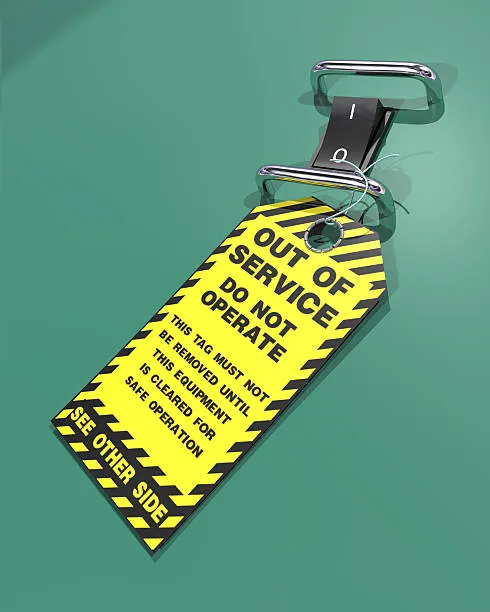
Complying with LOTO Procedures
We will discuss the steps for effective LOTO procedure, training employees on LOTO procedures, and establishing a LOTO programme. Read more to ensure workplace safety compliance.
Steps for effective LOTO procedure
To ensure effective lockout/tagout (LOTO) procedures, follow these steps:
- Identify all energy sources and isolate them.
- Notify affected employees of the LOTO procedure.
- Shut down equipment using normal stopping procedures.
- Apply the lockout device to each energy control point.
- Dissipate or restrain stored energy.
- Verify the isolation of the equipment by attempting to start it.
- Complete required documentation before starting work.
Training employees on LOTO procedures
After establishing effective Lockout/Tagout (LOTO) procedures, training employees is crucial to ensure successful implementation. Employees must be educated on the importance of LOTO in workplace safety and how to comply with HSE standards.
Training should encompass the steps for effective LOTO procedures, emphasising the significance of proper lockout safety lock usage and keying in LOTO. It’s essential for employees to understand the different types of lockout safety locks available and their benefits, enabling them to make informed decisions when implementing LOTO measures.
To supports adherence to LOTO protocols, businesses should provide comprehensive training programmes that cover all aspects of lockout/tagout equipment and systems, ensuring a high level of compliance among workers.
Establishing a LOTO programme
To establish a LOTO programme, we begin by identifying all energy sources and potential hazards in the workplace. We then develop and document specific lockout/tagout procedures for each piece of equipment or machinery.
It’s essential to involve employees in this process, ensuring that they understand the importance of LOTO and are trained on its proper implementation. Furthermore, regular audits should be conducted to ensure compliance with the established LOTO programme.
Implementing a LOTO programme involves not only creating written procedures but also ensuring that suitable lockout devices are available for use. It’s crucial to invest in high-quality safety locks that meet industry standards and provide effective protection against hazardous energy sources.
The Different Types of Lockout Safety Locks
Master Lock’s Safety Lockout Padlocks
Master Lock’s 410 safety padlock has a lightweight, non-conductive Zenex thermoplastic body and a reserved-for-safety cylinder, and comes keyed different, keyed alike or master keyed.
Lockwood Padlocks
Lockwood’s padlock range runs from small residential letterbox locks to high-security commercial marine-grade locks.
Where to Get Lockout Safety Locks
– Commercial and domestic locksmiths offer a selection of lockout safety locks for businesses. Suppliers also provide a comprehensive range of lockout/tagout products, including customised solutions and training dates for employees.
Commercial and domestic locksmiths
When looking for lockout safety locks, it’s essential to find reliable and trusted commercial and domestic locksmiths. These professionals can provide expert advice on the right type of safety lock for your specific needs, ensuring compliance with relevant regulations.
Additionally, they offer a range of customised solutions and training to help you implement effective lockout/tagout procedures in your workplace.
Suppliers who offer a comprehensive range of lockout/tagout products may also collaborate with these locksmiths to deliver tailored safety plans that align with your business requirements.
Suppliers offering a comprehensive range of lockout/tagout products
Suppliers provide a wide variety of lockout/tagout products suitable for different industries. These comprehensive ranges include padlocks, lockout tags, labels, safety devices, and LOTO systems. Additionally, suppliers offer customised solutions and training dates to ensure businesses have the necessary tools and knowledge to implement effective lockout/tagout procedures.
Customised solutions
For customised solutions, we tailor our lockout safety locks to fit your specific needs. Whether it’s unique shapes, sizes, or keying options, we work closely with you to ensure the best lockout/tagout products for your business.
Our range of product categories offers flexible choices for every requirement. With our customised solutions, you can be confident in meeting your lockout safety regulations and standards effectively.
To find the perfect customised solution for your business’s lockout safety needs, explore our comprehensive range of product categories. We provide training dates to equip employees with the necessary knowledge on using and implementing these tailored solutions into your workplace practices.
Product categories
Transitioning from customised lockout solutions, it’s essential to explore the diverse product categories available for lockout safety locks. These include safety lockout padlocks, hasps, valve lockouts, electrical lockouts, and lockout tagout kits.
Each category serves a specific purpose in ensuring the safety of workers during maintenance or repair procedures. Safety lockout padlocks come in various colours and keying options to prevent accidental usage or mixing up of keys.
Hasps allow multiple workers to use their individual padlocks on a single energy isolation point. Valve and electrical lockouts provide additional layers of protection for specific machinery or equipment while following established LOTO procedures.
Suppliers offering a comprehensive range of products cater to different industries and applications. They ensure that businesses have access to all necessary equipment required for effective LOTO implementation as per OSHA standards.

Conclusion
We have explored the key factors in selecting the right lockout safety lock, emphasising practicality and efficiency. The strategies outlined are easy to implement and can significantly improve workplace safety. Implementing a comprehensive LOTO programme with the right safety locks is crucial for preventing accidents and ensuring compliance. Additional resources from suppliers offering a diverse range of lockout/tagout products may further support your workplace safety efforts. Remember, taking proactive steps towards lockout safety not only protects your employees but also enhances overall operational efficiency.
Sorting out lockout for your own site?
Describe what needs isolating and we'll help you work out the setup that fits.