

We’ve all been shaken by those heart-stopping tales of workplace mishaps, haven’t we? Stories where a bit more attention to lockout safety measures could have made all the difference. Just like you, these reports get us riled up and it’s plain as day that one vital piece often slips through the cracks: proper lockout/tagout (LOTO) practices. It’s staggering, really – sticking to LOTO standards is said to dodge around 250,000 sticky situations every year. Our blog’s chock-a-block with nifty advice on how to nail these key safety steps and look after your mates on the floor. So let’s jump in boots and all and make sure our workplaces are as safe as houses!
The Importance of Lockout Safety in the Workplace
Lockout safety in the workplace is crucial for complying with regulatory frameworks and reducing the risk of workplace accidents and injuries. Implementing effective lockout procedures can help prevent potential hazards from energy sources, ultimately creating a safer work environment for employees.
Regulatory frameworks and compliance
As business owners, we must grasp the regulatory frameworks governing lockout safety mechanisms. Different countries and regions have specific laws and standards designed to protect employees from industrial accidents related to energy control.
In Australia, for example, the Model Work Health and Safety Act lays down clear guidelines that businesses need to follow. Compliance isn’t just about ticking boxes; it’s crucial for maintaining a safe work environment and safeguarding our teams against potential hazards.
We take these regulations seriously, integrating them into every aspect of our workplace safety protocols. Adhering strictly to safety regulations like AS/NZS 4801 ensures that all aspects of hazard prevention are covered, from machine isolation techniques to robust lockout procedures.
This alignment not only prevents workplace accidents but also shields our operations from legal repercussions and enhances overall occupational safety.
Reducing workplace accidents and injuries
Reducing workplace accidents and injuries is a top priority for business owners. Implementing effective lockout safety mechanisms, such as Lockout Tagout (LOTO), plays a crucial role in achieving this goal.
Properly identifying energy sources, ensuring machinery is locked and tagged correctly, providing comprehensive employee training, and conducting regular audits are essential steps in minimising workplace accidents and injuries.
Implementing a robust lockout safety program not only protects employees but also contributes to risk management and compliance with safety regulations. By prioritising employee protection through proper lockout procedures, businesses can effectively prevent workplace accidents while maintaining cost-effective accident prevention strategies.
Understanding Lockout and Tagout (LOTO)
To understand lockout and tagout (LOTO), it is crucial to comprehend the purpose behind these safety procedures. LOTO is a systematic process used to isolate and control energy sources, ensuring that machinery or equipment cannot be energised during maintenance or service.
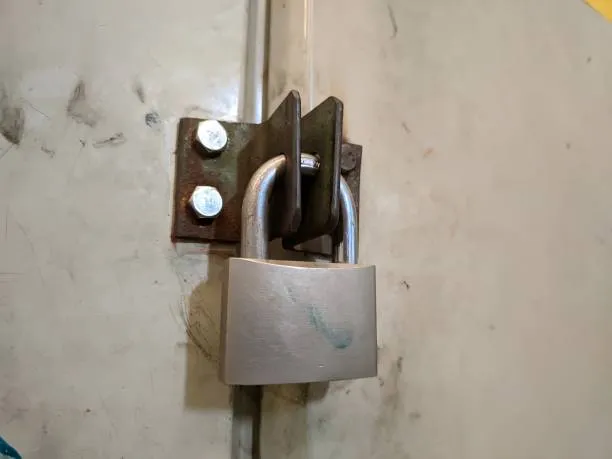
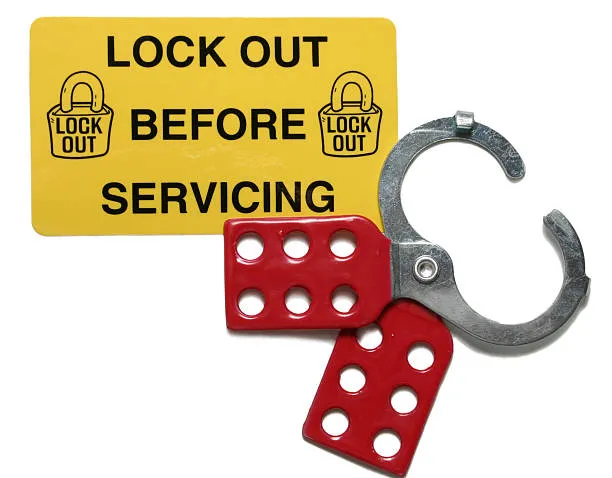
This prevents unexpected startup or release of stored energy, safeguarding employees from hazardous situations. By applying lockout devices such as padlocks and tags on energy isolation points, potential risks are mitigated, providing a clear visual indicator that equipment should not be operated.
When adhering to LOTO protocols, it’s important for business owners to recognise that every machine has unique energy sources that need individualised lockout procedures. As part of these precautions, thorough knowledge about the type of potentially harmful energies involved – electrical, mechanical, hydraulic, pneumatic – must be taken into consideration during implementation.
Key Components of a Comprehensive LOTO Procedure
A comprehensive Lockout and Tagout (LOTO) procedure includes a clear lockout policy, detailed lockout procedures, and ongoing training and auditing to ensure compliance and safety.
These key components are essential for preventing workplace accidents and injuries.
Lockout policy
Our lockout policy is a crucial component of our safety procedures, outlining the specific steps and guidelines for safely de-energising equipment during maintenance or servicing. This policy ensures that all employees are aware of the necessary precautions to take before performing any work on energised machinery, reducing the risk of workplace accidents and injuries.
Implementing a comprehensive lockout policy demonstrates our commitment to prioritising employee safety and complying with regulatory standards.
Consistent enforcement of our lockout policy is essential to maintaining a safe work environment. Regular training sessions and refresher courses are conducted to ensure that every employee understands and adheres to the established procedures.
Lockout procedures
- Ensuring that all energy sources are identified and isolated before maintenance or servicing begins.
- Using standardised lockout devices that are durable and clearly labelled for specific equipment.
- Assigning trained employees to perform the lockout procedure with strict adherence to the established protocol.
- Verifying that machinery is de – energised and locked out before any work commences.
- Conducting regular audits to ensure compliance with lockout procedures and identifying any areas for improvement.
Training and auditing
Implementing a comprehensive lockout and tagout (LOTO) procedure requires regular training and thorough auditing. By providing employees with the necessary safety training, they become better equipped to identify energy sources, understand lockout procedures, and effectively communicate hazards to their colleagues.
Regular audits help ensure that all equipment is properly locked out and tagged out when maintenance or servicing is being performed. This continuous review process helps in identifying any gaps or areas for improvement in the LOTO programme, ultimately contributing to a safer work environment.
Regular training ensures employees are well-versed in proper lockout and tagout procedures while ongoing auditing guarantees that these protocols are consistently followed throughout the workplace.
Benefits of Effective LOTO Implementation
Implementing effective Lockout and Tagout (LOTO) procedures can lead to improved workplace safety, regulatory compliance, and cost-effective accident prevention. Learn more about how mastering lockout safety mechanisms can result in fewer workplace accidents.
Improved workplace safety
Implementing effective lockout and tagout procedures results in improved workplace safety. Identifying and isolating energy sources, along with properly locking and tagging machinery, are crucial steps in preventing workplace accidents.
Employee training and clear communication about LOTO procedures also contribute to a safer work environment. Continuous auditing ensures that the procedures remain effective, making it easier for businesses to comply with regulations while minimising the risk of workplace accidents.
Businesses can greatly benefit from improved workplace safety resulting from comprehensive LOTO implementation. Not only does it protect employees from harm, but it also saves on costs associated with accidents and injuries.
Compliance with regulations
Ensuring compliance with lockout and tagout regulations is crucial for maintaining a safe work environment. It involves adhering to specific standards set by authorities to prevent workplace accidents.
Compliance requires thorough understanding and implementation of lockout procedures, training employees, and conducting regular audits to ensure adherence to the regulations. This proactive approach not only keeps your workplace in line with legal requirements but also significantly reduces the risk of accidents caused by unexpected release of hazardous energy.
Consistent compliance with lockout safety regulations demonstrates a commitment to employee well-being and contributes to a positive safety culture within your organisation. Furthermore, it helps avoid costly penalties or liabilities associated with non-compliance, ensuring smooth operations without interruptions due to accidents or regulatory issues.
Cost-effective accident prevention
Implementing a thorough lockout safety programme equips your business with cost-effective accident prevention measures. By investing in proper lockout procedures and training, you can reduce the risk of workplace accidents and the associated costs.
This proactive approach not only ensures compliance with regulations but also minimises downtime due to accidents, leading to significant savings for your business in the long run.
Continuous auditing and review of your lockout safety mechanisms further contribute to cost-effective accident prevention. By identifying potential improvements and addressing any gaps in the process, you can maintain a safe work environment while avoiding costly incidents that impact productivity and profitability.
Strategies for Effective Implementation
To effectively implement lockout safety mechanisms, it is crucial to identify all energy sources in the workplace, properly lock and tag machinery, provide comprehensive employee training and communication, and conduct continuous auditing and review to ensure compliance with LOTO procedures.
These strategies are essential in preventing workplace accidents and maintaining a safe work environment.
Identifying energy sources
Identifying energy sources is essential for LOTO implementation to ensure comprehensive safety measures. This involves:
- Conducting a thorough assessment of all energy sources in the workplace, including electrical, mechanical, hydraulic, pneumatic, and thermal sources.
- Labelling and documenting each energy source and its associated hazardous energy isolation points to create a clear inventory.
- Involving employees in the identification process to gather valuable insights about potential energy sources that may be overlooked.
- Regularly reviewing and updating the list of identified energy sources to account for any changes or new equipment installations.
Properly locking and tagging machinery
After identifying energy sources, the next crucial step is properly locking and tagging machinery. This helps to physically prevent the accidental startup of equipment during maintenance or servicing. To ensure effective implementation, consider the following:
- Utilise durable lockout devices that can withstand environmental conditions and provide a secure lockout.
- Implement standardised procedures for locking out different types of machinery and equipment, ensuring consistency across the workplace.
- Clearly label all locked-out machinery with durable, easy-to-read tags to communicate important information about the lockout status.
- Train employees on how to select and use appropriate lockout devices and tags for different applications.
- Regularly review and update lockout procedures based on changes in equipment or processes to maintain effectiveness.
Employee training and communication
Employee training and communication are crucial for ensuring the successful implementation of lockout safety procedures. Here’s how to effectively carry out this aspect of your workplace safety plan:
- Schedule regular training sessions to educate employees on the importance of LOTO procedures and ensure they understand how to carry them out correctly.
- Create clear communication channels for reporting any issues or concerns related to lockout safety, and encourage open dialogue between management and employees.
- Provide easy access to relevant documentation, such as lockout policies and procedures, for all staff members to reference when needed.
- Foster a culture of accountability and responsibility by regularly communicating the importance of following LOTO protocols.
Continuous auditing and review
To ensure ongoing workplace safety, continuous auditing and review play a crucial role. It involves regularly examining lockout procedures and policies to identify any shortcomings or areas for improvement. This process helps in maintaining the effectiveness of the lockout safety mechanisms.
- Regular Auditing: Conduct routine checks to verify that lockout procedures are being followed correctly and that equipment is properly tagged out according to the established protocol.
- Review of Incidents: Analyse any accidents or near-miss incidents to determine if there were underlying issues with lockout procedures and identify corrective actions.
- Training Evaluation: Assess the proficiency of employees in executing lockout processes and provide additional training as necessary.
- Policy Revisions: Periodically review and update lockout policies based on audit findings, regulatory changes, or technological advancements.
- Communication Improvement: Seek feedback from employees regarding their experiences with lockout procedures to enhance communication and address any concerns promptly.
Conclusion
Mastering lockout safety mechanisms is crucial for reducing workplace accidents. Implementing a comprehensive LOTO procedure, including a clear lockout policy and regular training, can significantly improve workplace safety. Identifying energy sources and ensuring proper machinery locking and tagging are practical steps that have a direct impact on accident prevention. By following these strategies, business owners can ensure compliance with regulations while minimising the risk of costly workplace incidents. Additional resources for further exploration in this area include industry-specific guidelines and professional consultancy services to support effective implementation. Let’s work towards creating safer workplaces for everyone!
Sorting out lockout for your own site?
Describe what needs isolating and we'll help you work out the setup that fits.