

Navigating the delicate balance of safeguarding your team while ticking all the compliance boxes is something every Aussie business owner grapples with. But we’re here to share a bit of hard-earned wisdom: lockout safety locks aren’t just nifty gadgets, they’re life-savers. With stats supporting that proper LOTO (lockout/tagout) procedures can fend off around 250,000 accidents each year, it’s clear this isn’t something to be taken lightly.
Understanding Lockout/Tagout (LOTO) Systems
The Lockout/Tagout (LOTO) system is a safety procedure used to ensure that dangerous machines are properly shut off and not started up again prior to the completion of maintenance or servicing work.
It involves the use of lockout devices, such as padlocks and tagout devices, to physically isolate energy sources and prevent unexpected start-up. This process is crucial in preventing workplace accidents and ensuring the safety of employees.
Definition of LOTO
Lockout/Tagout, or LOTO, is a safety procedure we use to ensure that dangerous machines are properly shut off and not started up again before the completion of maintenance or repair work.
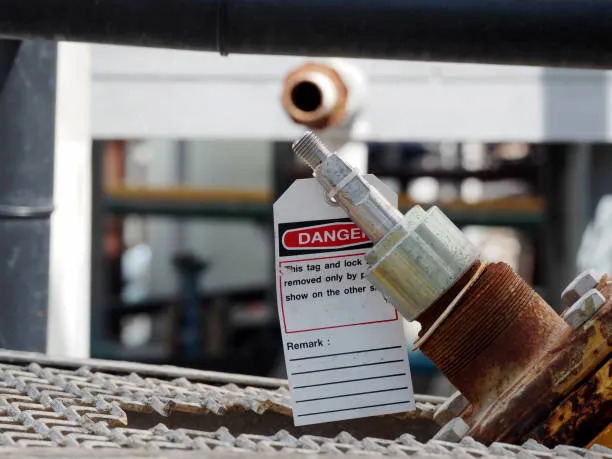
It involves placing a lockout device on an energy-isolating device, making sure the machine can’t be energised. A tagout device is also often used in conjunction with the lock to provide a warning not to operate the machinery while it’s locked out.
This process prevents accidental startup of equipment which could result in injury or even fatality.
In our workplaces, adhering strictly to LOTO protocols isn’t just about following rules; it’s about protecting lives. Safety lockout devices vary from simple padlocks designed to hold an energy isolator in the safe position, all the way through to sophisticated systems that integrate with key control and traceability software.
Each lock and tag carries vital information regarding who locked out the system and why, ensuring full accountability and safety compliance within our teams.
Importance of LOTO
Implementing LOTO systems is crucial for workplace safety. LOTO procedures prevent accidental startup of machinery or equipment, protecting workers from hazardous energy sources like electrical, mechanical, hydraulic, and pneumatic systems.
By adhering to LOTO protocols, businesses comply with safety regulations and reduce the risk of serious injuries or fatalities in the workplace. These standards promote a safer work environment by ensuring that energy-isolating devices are locked out before any maintenance or servicing activities take place.
Adhering to British standards for LOTO compliance is essential for maintaining a safe and healthy work environment. Safety padlock regulations and lockout tagout policy support the overarching goal of safeguarding employees as they carry out their duties around energy-isolating devices.
Australian Standards for LOTO Compliance
In Australia, compliance with Lockout/Tagout (LOTO) standards is crucial for workplace safety. Understanding the specific requirements and regulations set forth by Australian standards is essential for businesses to ensure a safe and compliant work environment.
Overview of Australian standards for LOTO
Australian standards for LOTO ensure workplace safety compliance. They define specific requirements for locking out hazardous energy sources during maintenance and repair. These standards cover lockout devices, procedures, and training to prevent accidental energisation of equipment.
These guidelines help create a safer work environment by reducing the risk of electrical accidents.
The Australian standards incorporate best practices for lockout/tagout procedures from international organisations. They emphasise the need for effective communication, employee training, and regular equipment inspection to maintain a robust safety culture.
Compliance requirements
Compliance requirements are crucial for ensuring workplace safety. They involve adherence to specific lockout/tagout (LOTO) procedures and standards set by regulatory bodies such as OSHA and Australian safety authorities. Below are key compliance requirements that business owners need to be aware of:
- Implementing energy control procedures for maintenance or servicing of machinery
- Using lockout devices that are standardised, durable, and easily identifiable
- Mandating employee training on LOTO regulations and safe lockout procedures
- Conducting regular inspections to ensure lockout systems are functioning effectively
- Developing written energy control procedures outlining the steps for proper lockout/tagout processes
- Keeping comprehensive records of all LOTO activities including equipment, personnel involved, and date of implementation

Technological Advancements in Lockout Safety Locks
Technological advancements in lockout safety locks have revolutionised the way businesses approach workplace safety. With advanced locking mechanisms, integrated safety features, electronic systems, and cloud-based data management, companies can now ensure compliance with safety standards while enhancing efficiency and cost savings.
Advanced locking mechanisms
Advanced locking mechanisms are crucial for enhancing workplace safety and compliance with LOTO regulations. These innovative locks are designed to provide heightened security and prevent unauthorised access to energy-isolating devices.
Incorporating features such as keyless entry, tamper-proof designs, and unique identification codes, these locks offer a robust solution for ensuring the safety of workers and meeting OHS regulations.
Additionally, electronic LOTO systems enable real-time monitoring and control of lockout processes, while wireless communication facilitates seamless coordination during maintenance activities.
Cloud-based data management and mobile applications further enhance the efficiency of advanced locking mechanisms in implementing comprehensive safety measures.
Integrated safety features
It’s crucial to comprehend the significance of integrated safety features in modern lockout safety locks. These additional safety features play a pivotal role in enhancing workplace safety and ensuring compliance with industry regulations. The following are key integrated safety features present in state-of-the-art lockout safety locks:
- Enhanced visibility: Utilising high-visibility colours and reflective elements on lockout devices to improve identification and awareness in low-light conditions.
- Customised access control: Incorporating keyless entry options or biometric authentication for authorised personnel while restricting unauthorised access.
- Built-in alarms: Integration of alarm systems that trigger when an unauthorised attempt is made to tamper with the lock, providing an added layer of security.
- Tamper-proof design: Engineering locks with durable materials and construction to prevent forced removal or tampering, ensuring the integrity of the lockout process.
- Compatibility with energy sources: Implementing compatibility with multiple energy sources and equipment types, enabling seamless application across various machinery and devices.
- Remote monitoring capabilities: Incorporating remote monitoring technology to enable real-time tracking of locked-out equipment status from a centralised system, improving overall operational visibility.
- Interlock functionality: Including interlocking mechanisms that prevent equipment activation until all associated locks are removed, further enhancing overall workplace safety measures.
Electronic LOTO systems
Electronic LOTO systems incorporate advanced technology to enhance safety and compliance in the workplace. These systems feature electronic locks with unique access codes, which can be managed remotely for added security.
They also offer wireless communication and monitoring capabilities, allowing real-time tracking of lockout status and ensuring strict adherence to safety protocols. Additionally, cloud-based data management and mobile applications provide convenient access to lockout procedures and equipment status, streamlining operations and improving overall efficiency.
Furthermore, these electronic LOTO systems are equipped with integrated safety features to prevent unauthorised removal of locks or accidental energy reactivation. With these advancements, businesses can significantly enhance their lockout/tagout procedures while meeting stringent compliance regulations for industrial safety.
Wireless communication and monitoring
Wireless communication and monitoring systems offer real-time visibility into lockout safety status, allowing us to remotely track and manage energy isolation procedures. This technology enables immediate notification of any non-compliance or unauthorised access to locked-out equipment, ensuring enhanced security and compliance with workplace safety regulations.
By utilising wireless connectivity, we can monitor the status of lockout/tagout (LOTO) devices across multiple worksites from a centralised location.
These advanced systems provide valuable insights into LOTO activities, facilitating proactive maintenance planning and reducing downtime. With the integration of cloud-based data management and mobile applications, businesses can efficiently oversee their safety lockout programmes while optimising productivity.
Cloud-based data management
Cloud-based data management offers business owners a centralised platform for managing and analysing lockout/tagout (LOTO) procedures.
With cloud-based systems, safety managers can access real-time data on equipment status and energy isolation points from anywhere with an internet connection. This technology streamlines compliance reporting by providing automated record-keeping, ensuring that the necessary documentation is always up to date and easily accessible during safety audits or inspections.
Furthermore, cloud-based data management allows for seamless collaboration among team members, enhancing overall workplace safety through efficient communication and coordination.
Mobile applications
Mobile applications have revolutionised the way businesses manage lockout/tagout (LOTO) procedures. These apps offer real-time access to LOTO information and provide a convenient platform for documenting safety measures.
Business owners can use mobile applications to streamline training, conduct audits, and ensure compliance with Australian standards for LOTO safety. With features such as electronic documentation and wireless communication, these apps enhance efficiency and effectiveness in implementing lockout safety protocols.
Moreover, mobile applications enable seamless integration with advanced locking mechanisms and cloud-based data management systems. This allows for tracking energy-isolating devices, conducting risk assessments, and monitoring equipment status remotely.
Benefits and Challenges of Technological Advancements in LOTO
The introduction of advanced LOTO systems has led to improved safety and efficiency in the workplace, reducing the risk of accidents and injuries. However, businesses may face implementation challenges and initial costs associated with adopting new technologies.
Improved safety and efficiency
Implementing advanced LOTO technology can significantly enhance safety and efficiency within your workplace. These modern lockout safety locks provide foolproof mechanisms that prevent accidental energy release during maintenance or repair work.
With integrated features like electronic systems, wireless communication, and cloud-based data management, these locks streamline the lockout process, reducing human errors and enhancing operational productivity.
By embracing these advancements in LOTO technology, businesses can uphold compliance with British standards while ensuring a safer work environment for employees.
Moreover, leveraging mobile applications for managing lockout procedures enables real-time monitoring and quick response to any potential safety risks. The enhanced visibility into lockout activities improves overall safety measures and prevents costly incidents or accidents.
Cost savings
Implementing advanced lockout safety locks can lead to substantial cost savings for businesses. Upgrading to modern systems reduces the requirements for manual labor, streamlining operations and decreasing the need for extensive maintenance, ultimately lowering overall operational costs.
Additionally, electronic LOTO systems enable efficient monitoring of energy consumption, leading to significant reductions in energy expenditure and contributing to long-term cost savings for businesses.
Integrating advanced locking mechanisms also minimises the risk of machinery damage or malfunction due to human error. This results in fewer equipment breakdowns and repairs, reducing associated costs while improving operational efficiency.
Implementation challenges
Implementing advanced LOTO systems can pose the following challenges:
- Initial investment costs for upgrading to new technology may be perceived as significant by businesses, requiring careful budget allocation and financial planning.
- Training employees on the operation and maintenance of new electronic LOTO systems may require time and resources to ensure a smooth transition.
- Integration with existing safety protocols and equipment needs to be carefully managed to maintain compliance whilst maximising the benefits of technological advancements.
- Overcoming resistance to change among staff members who may be accustomed to traditional lockout/tagout procedures is crucial for successful implementation.
- Ensuring compatibility with different types of machinery and energy sources across various work environments presents a logistical challenge that demands thorough assessment and adaptation.
Case Studies and Future Trends
Successful implementations of advanced LOTO systems
- Integration of advanced locking mechanisms for enhanced security and control over energy isolation.
- Adoption of electronic LOTO systems that offer real – time monitoring and remote access to lockout procedures.
- Utilisation of wireless communication technology for seamless coordination between lockout points and authorised personnel.
- Implementation of cloud – based data management to centralise lockout/tagout procedures and streamline compliance documentation.
- Incorporation of mobile applications for on-the-go access to LOTO procedures and equipment status.
Emerging trends in LOTO technology
We are now on the cusp of embracing emerging trends in LOTO technology. One such trend is the integration of Internet of Things (IoT) capabilities into lockout safety locks, enabling real-time monitoring and control from anywhere via a cloud-based platform.
Additionally, advancements like biometric access controls and geofencing features further enhance security measures while ensuring compliance with lockout safety protocols.
Furthermore, there’s a growing emphasis on user-friendly mobile applications that simplify LOTO procedures and streamline safety lock management. The rise of smart devices has also paved the way for innovative approaches such as augmented reality (AR) overlays to guide workers through complex lockout processes, enhancing overall operational efficiency and reducing human errors.
Conclusion
Have you considered implementing these modern lockout systems to enhance workplace safety and efficiency? Incorporating these strategies can yield practical, tangible results in reducing accidents and improving work processes. Remember, prioritising safety not only safeguards your employees but also ensures compliance with UK standards. As business owners, the proper implementation of lockout safety locks is crucial for fostering a secure and compliant work environment for all.
Sorting out lockout for your own site?
Describe what needs isolating and we'll help you work out the setup that fits.