

Lockout/Tagout, or LOTO, stands as a crucial safety measure designed to protect workers from harm when maintaining industrial equipment. By ensuring machinery is completely switched off and not just paused, LOTO guards against unexpected startups that could cause accidents. This procedure meets strict regulations and requires a detailed plan outlining everyone’s duties, standard devices for locking equipment down safely, clear communication lines, and comprehensive training to keep risks low.
Technology has stepped up in this area too. Software systems can now manage the lockout/tagout process more smoothly than ever before with templates and checklists that make sure no step gets missed. Conducting regular checks for leftover energy is key to confirming all potential hazards have been blocked properly during LOTO.
Constantly improving these safety processes by updating policies and using robust reporting systems helps tackle any problems quickly. This ongoing effort leads to better safety practices over time. Our exploration begins with recognising how advanced technology truly enhances the effectiveness of traditional Lockout/Tagout methods – ensuring even greater consistency in workplace safety standards across industries. Stay safe; let’s unlock the essentials together.
Understanding the Importance of Lockout/Tagout
Lockout/Tagout is a critical safety procedure that ensures the proper shutdown and isolation of hazardous energy sources during maintenance or servicing of industrial equipment. Compliance with regulatory requirements for LOTO is essential for workplace safety and to prevent accidents caused by unexpected energy discharge.
What is Lockout/Tagout?
Lockout/Tagout, often abbreviated as LOTO, is a safety protocol designed to ensure that industrial equipment is properly shut down and made inoperative before maintenance or servicing begins.
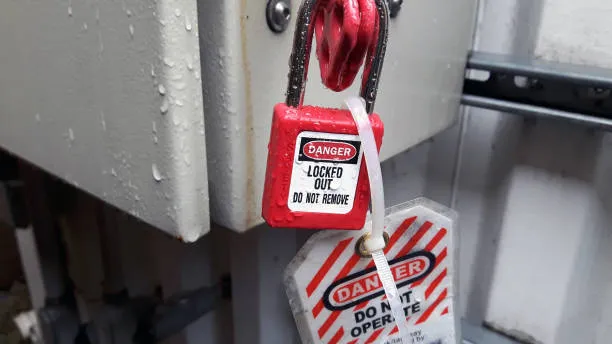
This process involves placing locks and tags on machinery controls to prevent the accidental release of hazardous energy while workers are at risk. It’s a critical step in protecting employees from potential harm due to unexpected energisation or start-up of the equipment.
They put their trust in these procedures because they provide a physical barrier and visual warning – the lock signals that machinery should not be operated, while the tag provides essential information about why it’s out of service.
Equipment isolation isn’t just about flipping off switches; LOTO ensures that all types of energy, including electrical, mechanical, hydraulic and pneumatic are securely controlled.
By adhering to stringent lockout tagout regulations outlined by OSHA compliance standards, we maintain control over hazardous energies during crucial operational pauses for repair or inspection tasks.
Why is Lockout-Tagout Important?
Lockout-Tagout (LOTO) is essential because it prevents unexpected energy release during maintenance or servicing of machinery, protecting workers from hazardous energy-related injuries.
Implementing LOTO procedures ensures compliance with workplace regulations and safeguards employees against electrical hazards, potential injury, and even death. By controlling the energy isolation process, businesses can minimise the risk of accidents and maintain a safe work environment, ultimately reducing liabilities associated with occupational safety.
Incorporating LOTO protocols not only promotes workplace safety but also contributes to efficient machinery maintenance by enabling secure equipment shutdown and isolation. Ensuring comprehensive lockout-tagout measures can significantly reduce the likelihood of workplace incidents and uphold industrial locks as vital components for employee protection within any business setting.
Regulatory Requirements for LOTO
After understanding the importance of lockout/tagout, it’s essential to be aware of the regulatory requirements governing this critical safety practice. Compliance with lockout/tagout standards and guidelines is necessary to ensure the safety of employees and prevent hazardous energy-related incidents.
Businesses must adhere to lockout/tagout protocols, which include implementing a documented lockout/tagout policy, providing suitable equipment for energy isolation procedures, and conducting regular training sessions for employees involved in performing shut down and tag out processes.
Equipment isolation procedures should align with electrical safety measures and risk management strategies. Additionally, businesses need to enforce documentation of all lockout/tagout activities and ensure that their protocols comply with relevant industry-specific standards.
Key Components of a Comprehensive Lockout/Tagout Procedure
When it comes to a comprehensive lockout/tagout procedure, there are several key components that need to be addressed. These include preparation, shut down, isolation, lockout/tagout, stored energy check, and isolation verification.
Each step is crucial in ensuring the safety of workers when working on or near equipment.
Preparation
- Identify all energy sources and understand their potential hazards.
- Equip personnel with appropriate personal protective equipment (PPE) before beginning the lockout/tagout procedure.
- Develop a comprehensive plan detailing each step of the lockout/tagout process, including specific responsibilities for each team member involved.
- Utilise clear and standardised lockout/tagout devices that comply with industry standards to ensure effective isolation of energy sources.
- Communicate effectively with all relevant personnel, ensuring everyone understands their roles and responsibilities during the lockout/tagout procedure.
Shut Down
Before proceeding to the actual lockout/tagout process, it is crucial to ensure a proper shut down. This step is essential for safely isolating equipment and machinery and preventing accidental start-up during maintenance work. Here are the steps involved in the shutdown process:
- Notify all affected employees about the impending shutdown to avoid any potential safety hazards or disruption to work schedules.
- Identify and understand the correct sequence for shutting down equipment, adhering to manufacturer guidelines or standard operating procedures.
- Securely power off or shut down all energy sources, which may include electrical, mechanical, hydraulic, pneumatic, chemical, or thermal energy.
- Ensure that all residual energy within the system is dissipated or relieved before proceeding with further isolation measures.
- Verify that the equipment has come to a complete stop before commencing with any additional isolation actions.
- Double-check and confirm that all parts of the equipment are fully de-energised and incapable of being re-energised accidentally before moving on to subsequent steps in the lockout/tagout process.
Isolation
Isolation is a critical component of the lockout/tagout process. It involves isolating the equipment from its energy source to prevent unexpected start-up or release of stored energy.
- Equipment Isolation: This step includes identifying and locating all energy sources that power the equipment, such as electricity, hydraulic pressure, or pneumatic power.
- Lockout/Tagout Application: Once the energy sources are identified, lockout devices and tagouts are applied to the energy isolation points to secure them in a safe or off position.
- Stored Energy Release: After isolation, it’s essential to release any stored energy within the equipment by following specific manufacturer guidelines or procedures.
- Verification of Isolation: Verify isolation by testing the equipment controls to ensure they cannot be powered on and that no energy remains in the system.
- Protection Measures: During isolation, implement additional safety measures where necessary to further safeguard against accidental re-energisation.
Lockout/Tagout
- Conduct a thorough preparation, including equipment shutdown and isolation from energy sources.
- Use lockout/tagout devices to secure the isolated equipment, preventing its operation.
- Conduct a detailed check for stored energy in the isolated equipment, ensuring it is fully dissipated.
- Verify the effectiveness of isolation by testing or inspecting the isolated equipment.
Stored Energy Check
As part of a comprehensive lockout/tagout procedure, it’s essential to perform a stored energy check to ensure that no hazardous energy remains within the equipment. Here are the key steps in conducting a stored energy check:
- Identify all potential sources of stored energy within the equipment or machinery, including electrical, mechanical, hydraulic, pneumatic, and thermal energy.
- Release or dissipate stored energy by following the specific procedures outlined for each energy source. This may involve discharging capacitors, bleeding hydraulic systems, or allowing equipment to cool down.
- Use appropriate testing equipment such as multimeters, pressure gauges, or temperature sensors to verify that all residual energy has been effectively dissipated or isolated.
- Ensure that personnel involved in the maintenance or servicing process are trained on how to effectively conduct a stored energy check and understand the hazards associated with different types of energy sources.
- Document the results of the stored energy check and make sure this information is communicated effectively to all relevant personnel before proceeding with any maintenance work.
Isolation Verification
Isolation verification is a critical step in the lockout/tagout process to ensure that hazardous energy sources are effectively isolated. Here are the key considerations for isolation verification:
- Verify proper equipment shutdown and isolation before starting any maintenance or servicing work to prevent unexpected restarts.
- Use appropriate testing tools, such as voltage meters or pressure gauges, to confirm that no energy is present in the system.
- Ensure that all workers involved are trained to recognise and verify isolation points before proceeding with any work on equipment.
- Create a checklist of isolation points and verification procedures to standardise the process across different equipment and work environments.
- Implement a double – check system where two authorised employees independently verify the isolation status before commencing work.
- Document and record the results of isolation verification as part of the overall lockout/tagout procedure to maintain compliance with regulatory requirements.

Utilising Advanced Technology for Lockout/Tagout
Incorporating technology into lockout/tagout procedures can greatly enhance safety and efficiency. Read on to discover how advanced software and digital tools can streamline the LOTO process.
Lockout/Tagout Software
We recommend incorporating lockout/tagout software to streamline and centralise the management of your lockout/tagout procedures. This software facilitates easy creation and maintenance of detailed lockout/tagout policies, as well as provides templates and checklists for compliance with regulatory requirements.
It also offers a platform for training employees on lockout/tagout procedures, ensuring that everyone is up to date with the latest safety measures.
By utilising advanced technology in the form of lockout/tagout software, you can enhance efficiency and accuracy in implementing and enforcing your company’s lockout/tagout programme.
SafetyCulture (now trading as Mitti by SafetyCulture) publishes a lockout tagout guide, and its platform covers inspections, training, incident reporting and asset management.
Templates and Checklists
Lockout/Tagout (LOTO) templates and checklists are invaluable tools for streamlining and standardising the lockout/tagout process. They can be tailored to suit different types of equipment and procedures, ensuring that all relevant steps are accounted for.
Training and Communication for LOTO
Effective training and communication are essential for ensuring that employees understand the importance of lockout/tagout procedures and how to implement them safely. It’s important to provide comprehensive training on LOTO protocols and ensure open lines of communication between all staff members involved in the process.
Importance of Training
Training is crucial for ensuring that all employees understand the lockout/tagout procedures and can implement them effectively. It equips staff with the necessary knowledge and skills to handle hazardous energy properly, reducing the risk of workplace accidents.
Adequate training also fosters a culture of safety and compliance, promoting a secure working environment for everyone involved. Regular training sessions help in reinforcing the importance of lockout/tagout measures and allow businesses to stay up-to-date with changing regulations and best practices.
Businesses should invest in comprehensive training programmes covering all aspects of lockout/tagout procedures. This ensures that employees are well-informed about equipment isolation protocols, safety measures, and compliance standards.
Communication Strategies
Effective communication is essential for the success of any lockout/tagout (LOTO) programme. Utilising clear and concise language in all written policies, procedures, and training materials ensures that everyone understands their roles and responsibilities when it comes to equipment isolation.
Regular meetings, toolbox talks, and safety briefings help reinforce the importance of LOTO protocols and keep employees informed about any changes or updates to the procedures. Implementing an open-door policy where employees feel comfortable raising concerns or reporting potential hazards fosters a culture of transparency and collaboration in maintaining a safe work environment.
To further enhance communication regarding LOTO, utilising visual aids such as posters, signs, and labels can serve as constant reminders of proper lockout/tagout practices throughout the workplace.
Best Practices for Implementing a Lockout/Tagout Programme
Clearly defining and communicating the LOTO policy is essential for ensuring all employees understand their responsibilities. Creating a system for reporting and receiving LOTO reports can help in identifying any potential gaps in the procedure.
Clearly Define and Communicate LOTO Policy
To ensure safety and compliance with regulatory requirements, it is essential to clearly define and communicate the Lockout/Tagout (LOTO) policy within your organisation. A well-defined LOTO policy outlines the procedures for safely controlling hazardous energy during maintenance or servicing of equipment.
By communicating this policy effectively to all employees involved in these activities, you can ensure that everyone understands their roles and responsibilities in adhering to LOTO protocols.
This helps mitigate the risks associated with unexpected energisation or release of stored energy, thereby safeguarding the wellbeing of workers and preventing workplace accidents.
By defining and communicating a comprehensive LOTO policy, businesses demonstrate their commitment to creating a safe work environment while also ensuring compliance with industry standards and regulations related to lockout/tagout procedures.
Create a System for Reporting and Receiving LOTO Reports
Implement a streamlined reporting system for LOTO incidents to promptly identify and address any potential safety risks. Designate specific channels for employees to report lockout/tagout activities, ensuring that all reports are received and reviewed in a timely manner.
Integrate digital platforms or software to centralise and track LOTO reports, enhancing transparency and accountability across the organisation.
Regularly review and assess reported LOTO incidents, identifying trends and areas for improvement. Utilise this data to enhance the effectiveness of your lockout/tagout procedures, bolstering overall workplace safety.
Perform Frequent LOTO Audits
To uphold safety standards, conduct regular LOTO audits to ensure compliance and identify any weaknesses. These assessments verify that lockout/tagout procedures align with established protocols and regulatory requirements, guaranteeing the effective control of hazardous energy sources.
By frequent inspections, potential risks can be swiftly detected and rectified, reinforcing a culture of safety within the workplace. Regular audits also demonstrate a commitment to employee welfare and legal adherence, promoting trust and confidence in the lockout/tagout process.
Furthermore, consistent LOTO audits aid in modifying policies or practices based on evolving equipment needs or emerging safety guidelines. Through these evaluations, companies can actively engage employees in continuous improvement efforts while simultaneously mitigating potential hazards related to equipment isolation.
Enforce Documentation
To ensure compliance with lockout/tagout (LOTO) policies, it is crucial to enforce documentation of all LOTO procedures. This involves maintaining detailed records of equipment isolation, lockout/tagout processes, and personnel training.
These documents serve as tangible evidence of adherence to safety standards and guidelines, which is essential for regulatory compliance. By consistently enforcing documentation requirements, businesses can demonstrate their commitment to LOTO safety measures and protocols.
Regular audits of LOTO documentation should be conducted to identify any gaps or inconsistencies in the procedures followed by staff members. Highlighting the importance of accurate and thorough record-keeping will encourage employees to take their responsibilities seriously when implementing LOTO measures.
Utilise Lockout/Tagout Devices
When implementing a lockout/tagout programme, it is crucial to utilise lockout/tagout devices effectively. These devices are essential for physically isolating energy sources and preventing equipment from being turned on during maintenance or servicing.
This could include the use of padlocks, lock boxes, tags, and locks with multiple key systems. Ensuring that these devices are durable, easily identifiable, and compliant with safety standards is paramount in maintaining a safe work environment.
Proper utilisation of lockout/tagout devices also involves providing adequate training to employees on how to correctly apply and remove them. It’s important to regularly inspect these devices for any signs of damage or wear and tear as well as ensuring they are readily available when needed.
Incorporate LOTO in Emergency Response Plans
When implementing a comprehensive lockout/tagout (LOTO) programme, it is crucial for business owners to incorporate LOTO into their emergency response plans. This involves integrating the procedures and protocols for equipment isolation and energy control with the company’s overall emergency planning.
The coordination ensures that LOTO measures are seamlessly integrated into the broader safety framework, enhancing preparedness and responsiveness in the event of an emergency.
Emergency response plans should include specific guidelines on how LOTO procedures will be implemented during unforeseen incidents or maintenance activities. By including LOTO in these plans, businesses can ensure a cohesive approach to safety management and demonstrate compliance with industry standards and regulatory requirements.
Conclusion
We have covered the essential components of a robust lockout/tagout procedure. These strategies are practical, easy to implement and efficient in ensuring workplace safety. How can you incorporate these guidelines into your business’s lockout/tagout policy for maximum impact?
Unlock the benefits of the lockout-tagout process by using premium lockout safety locks. Reach out to WorkSafe Lockout and let’s revolutionise your safety measures. For further reading, explore additional resources on advanced technology solutions for lockout/tagout implementation. A commitment to implementing effective lockout/tagout measures can lead to sustainable improvements in workplace safety protocols and procedures as well as reducing accidents.
Sorting out lockout for your own site?
Describe what needs isolating and we'll help you work out the setup that fits.