
Whether you’re a savvy business veteran or just kicking-off, looking after occupational safety compliance can feel like climbing the Sydney Harbour Bridge – daunting, but doable. We’ve walked in those boots too and discovered that the true crux of workplace safety lies in adopting effective lockout/tagout (LOTO) procedures, an approach flying high by Australian standards.
This blog is your personal guide through the ins and outs of the LOTO process, offering practical steps towards compliance whilst sharing some real handy tips to crank up safety at your workplace.
Keen to give your safety program a good shake-up? Let’s crack on!

Understanding Lockout/Tagout (LOTO) Process
Lockout/Tagout (LOTO) is a crucial process in ensuring occupational safety in the workplace. It involves the use of lockout devices and tags to control hazardous energy sources during maintenance work, protecting technicians from potential accidents or injuries.
Australian standards for LOTO compliance outline specific requirements that businesses must meet to maintain a safe working environment.
What is LOTO?
LOTO stands for Lockout/Tagout, a safety procedure widely employed in industrial and construction settings. The purpose of LOTO is to ensure that machines or equipment are securely shut off during servicing or maintenance work, reducing the risk of accidental activation.
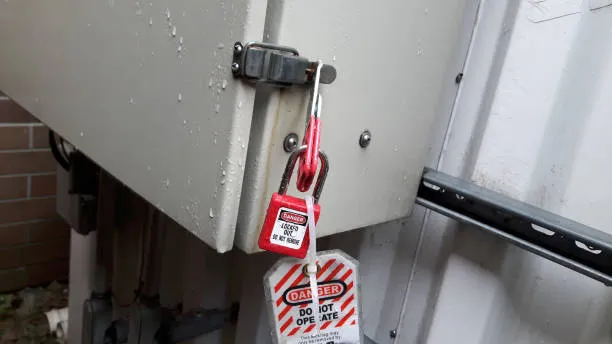
This process holds significant importance since it prevents unexpected energisation or start-up of machinery and equipment which can cause severe injuries at workplaces. It involves two distinct steps: lockout refers to physically blocking energy flow to a machine element, while tagout pertains to placing a warning tag on an energy-isolating device indicating that it cannot be operated until the tag is removed by an authorised person.
Together, these steps create a safer working environment for technicians carrying out maintenance tasks on heavy machinery and electrical installations.
Importance of LOTO for occupational safety
Lockout/Tagout (LOTO) is a critical process for ensuring occupational safety in the workplace. Implementing LOTO procedures can help protect employees from hazardous energy sources during maintenance work, safeguarding their well-being.
By following Australian standards for LOTO compliance, business owners can create a safer work environment and prevent accidents caused by unexpected machine startup or release of stored energy.
Adhering to these regulations not only helps prevent injuries but also demonstrates a commitment to workplace safety and compliance with occupational safety regulations. Prioritising LOTO as part of your safety program is essential for the overall well-being of your technicians and maintaining workplace safety standards.
Australian standards for LOTO compliance
Australian standards for LOTO compliance play a crucial role in ensuring workplace safety. These standards set out specific guidelines and requirements that businesses must adhere to when implementing lockout/tagout procedures.
By following these standards, businesses can ensure that their lockout programs are effective and meet the necessary safety standards. Compliance with Australian regulations not only safeguards workers from potential hazards but also helps businesses avoid costly penalties and legal consequences.
It is important for business owners to familiarise themselves with these standards and ensure that their lockout procedures align with them to maintain a safe working environment.
The 7 Steps to LOTO Compliance
Implementing a LOTO program is crucial for maintaining occupational safety compliance. It involves conducting audits, utilising external contracts and internal protection, and ensuring proper lockout procedures are followed.
Implementing a LOTO program
To ensure occupational safety compliance, implementing a Lockout/Tagout (LOTO) program is crucial. A LOTO program involves creating and implementing procedures to control hazardous energy sources during maintenance or servicing activities.
By properly implementing a LOTO program, business owners can safeguard their workers from potential injuries caused by unexpected startup of machinery or equipment. This includes training technicians on lockout regulations and providing them with the necessary lockout devices to effectively isolate energy sources.
Additionally, conducting regular inspections and audits of the LOTO program helps identify any areas that require improvement, ensuring a safe workplace for all employees.
Conducting audits
To ensure compliance with lockout safety regulations, conducting regular audits is essential. These audits help us evaluate the effectiveness of Locksafe's lockout/tagout procedures and identify any areas that may need improvement.
During an audit, we review documentation, observe work practices, and interview technicians to assess their understanding of the lockout process. By examining these factors, we can pinpoint gaps in our safety program and take corrective actions accordingly.
Audits also serve as a way to reinforce employee training and emphasise the importance of following proper lockout procedures. Through regular audits, we can maintain a safe workplace environment for our employees and safeguard them from potential hazards.
Using external contracts and internal protection
We can enhance the effectiveness of Locksafe's lockout/tagout program by utilising external contracts and implementing internal protection measures. By partnering with qualified contractors, we can ensure that maintenance work is performed safely and in compliance with lockout regulations.
These experts will have the necessary skills and knowledge to execute lockout procedures correctly, minimising any potential risks. Additionally, internal protection measures such as proper training for technicians and establishing clear work instructions further safeguard our workers during maintenance activities.
Together, these strategies reinforce their commitment to workplace safety compliance and protect against machinery-related accidents or injuries.
Components of a LOTO Procedure
In a LOTO procedure, the key components include lockout, tagout, tryout (LOTOTO), multiple lockouts, and using LOTO padlocks and boards. Learn more about these essential elements to ensure occupational safety compliance.
Lockout
Implementing a lockout procedure is a vital part of maintaining occupational safety compliance. Lockout involves isolating and securing energy sources to prevent the accidental start-up of machinery during maintenance work.
By using lockout safety locks, technicians can effectively safeguard themselves from hazardous situations. It is essential for business owners to incorporate lockout procedures into their safety programs to meet Australian standards and ensure workplace safety.
Compliance with lockout regulations not only protects workers but also reduces the risk of accidents and injuries resulting from unexpected equipment activation.
Tagout
Tagout is an essential component of the lockout/tagout (LOTO) process. It involves using tags to communicate that a piece of equipment or machinery should not be operated or energised while maintenance work is being carried out.
Tags provide additional warning and information alongside lockout devices, ensuring that everyone in the workplace understands the potential risks and dangers involved. By utilising tagout procedures, businesses can effectively safeguard their workers and prevent accidents from occurring during maintenance activities.
Incorporating tagout into your safety program is crucial for meeting compliance with occupational safety regulations and ensuring a safe working environment for all employees.
In addition to lockout regulations, Australian standards also emphasise the importance of tagout in maintaining workplace safety compliance. Proper utilisation of both lockout and tagout procedures helps enhance hazard identification, risk assessment, and overall equipment maintenance protocols.
Implementing comprehensive lockout/tagout programs that include proper training on how to use tags effectively can significantly reduce the risk of injuries, protect workers from potential hazards, and promote a culture of safety within your organisation.
Tryout (LOTOTO)
To ensure the highest level of safety during maintenance work, it’s crucial to implement a “Tryout” procedure as part of your Lockout/Tagout (LOTO) program. Tryout, also known as LOTOTO (Lock Out, Tag Out, Try Out), involves testing and verifying that all sources of hazardous energy have been effectively isolated before starting any maintenance tasks.
By conducting this step, you can significantly reduce the risk of accidents or injuries caused by unexpected releases of energy. Remember to always follow proper work instructions and use the appropriate lockout devices to safeguard workers and maintain compliance with occupational safety regulations.
Multiple lockouts
To ensure maximum safety during maintenance work, it is important to implement multiple lockouts. This means using more than one lock on a piece of equipment or machinery. By utilising multiple lockout devices, you can prevent accidental energization and safeguard workers from potential hazards.
Each worker involved in the maintenance process should have their own individual lock that they place on the equipment, ensuring that only authorised personnel can remove them once the work is complete.
This simple yet effective procedure adds an extra layer of protection and helps maintain compliance with occupational safety regulations.
LOTO padlocks and boards
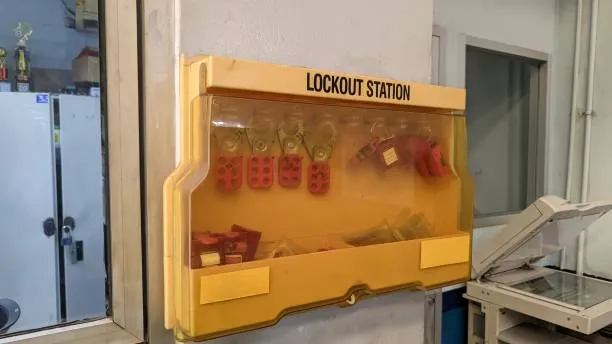
When implementing a Lockout/Tagout (LOTO) program, it is essential to have the right tools to ensure effective lockout safety. LOTO padlocks and boards play a vital role in this process.
These padlocks are designed specifically for LOTO procedures, with features such as keying options and durable construction to withstand challenging environments. LOTO boards provide a central location for organising and storing locks and tags, making it easier to identify which equipment is locked out.
By using LOTO padlocks and boards, businesses can enhance their safety programs by providing technicians with the necessary tools for proper lockout compliance without any confusion or delays.
Tips and Best Practices for LOTO
Choosing the right lockout devices can greatly enhance workplace safety. Learn more about the best practices for lockout/tagout procedures to safeguard your workers.
Choosing the right lockout devices
To ensure the safety of your workers during maintenance work, it is crucial to choose the right lockout devices. Lockout devices are essential for isolating energy sources and preventing accidental startup of machinery.
When selecting lockout devices, consider factors such as durability, compatibility with different types of equipment, ease of use, and visibility. By choosing the right lockout devices, you can effectively safeguard your workers and maintain compliance with lockout regulations.
Utilising LOTO software
To streamline your lockout/tagout (LOTO) procedures and ensure compliance, utilising LOTO software can be a game-changer for your business. This software enables you to centralise and digitise all LOTO-related information, making it easily accessible to your team.
By using LOTO software, you can create and manage lockout procedures, generate digital tags, track equipment maintenance schedules, and even conduct audits more efficiently. With its user-friendly interface and comprehensive features, LOTO software simplifies the entire process while maximising safety compliance.
It’s time to embrace technology and make your workplace safer with the power of LOTO software.
Keeping a LOTO checklist
To ensure the effectiveness of your lockout/tagout (LOTO) procedures, it is important to keep a LOTO checklist. This checklist will serve as a comprehensive guide for technicians and maintenance workers when performing maintenance work on machinery or equipment.
By systematically going through each step of the LOTO process, including isolating energy sources, applying locks and tags, verifying zero energy state, and conducting proper testing, you can safeguard your workers from potential accidents or injuries.
Regularly reviewing and updating this checklist will help you stay in compliance with safety regulations and maintain a safe working environment for everyone involved.
Ensuring Safety Compliance with LOTO
To ensure safety compliance with LOTO, it is essential to understand circuit breaker lockout procedures, properly use electrical safety devices, and follow guidelines for safe mining operations.
Understanding circuit breaker lockout procedures
When it comes to maintaining workplace safety compliance, understanding circuit breaker lockout procedures is crucial. Circuit breakers are essential in electrical systems as they protect against overloads and short circuits.
However, during maintenance work or repairs, it’s important to effectively lock out the circuit breaker to prevent accidental energization. This involves following proper procedures, such as identifying the correct circuit breaker and applying a lockout device that securely isolates the power source.
By understanding and implementing these lockout procedures, we can ensure the safety of technicians and safeguard against potential hazards in the workplace.
Proper use of electrical safety devices
We must prioritise the proper use of electrical safety devices in our workplace to ensure the safety of our employees. When using such devices, it is crucial that they are used correctly and according to industry standards.
This includes properly installing electrical safety switches, using insulated tools when working on live circuits, and ensuring that circuit breakers are locked out before any maintenance work is carried out.
By following these practices, we can effectively prevent electrical accidents and protect the well-being of our workers.
Guidelines for safe mining operations
To ensure safe mining operations, it is crucial to follow certain guidelines. First, conduct thorough hazard identification and risk assessments before starting any mining activity.
This will help identify potential dangers and develop strategies to mitigate them. Next, make sure all personnel are trained on safety procedures and equipped with appropriate personal protective equipment (PPE).
Regular inspections of the workplace should be conducted to identify any safety hazards or maintenance issues that could pose a risk. Lastly, establish clear communication channels between workers and management to address any concerns or incidents promptly.
Make LOTO a Priority for Occupational Safety Compliance
Making lockout/tagout (LOTO) a priority is crucial for ensuring occupational safety compliance. By implementing a LOTO program, conducting audits, and using external contracts and internal protection, businesses can safeguard their workers and prevent accidents.
Additionally, choosing the right lockout devices, utilising LOTO software, and keeping a LOTO checklist are effective strategies for maintaining workplace safety. Don’t overlook the importance of LOTO – it’s essential for protecting your employees and meeting safety regulations. Maintaining occupational safety compliance is a journey more accessible when taken with experienced partners like Worksafe Lockouts. Contact us today and build a safer tomorrow.
Sorting out lockout for your own site?
Describe what needs isolating and we'll help you work out the setup that fits.