
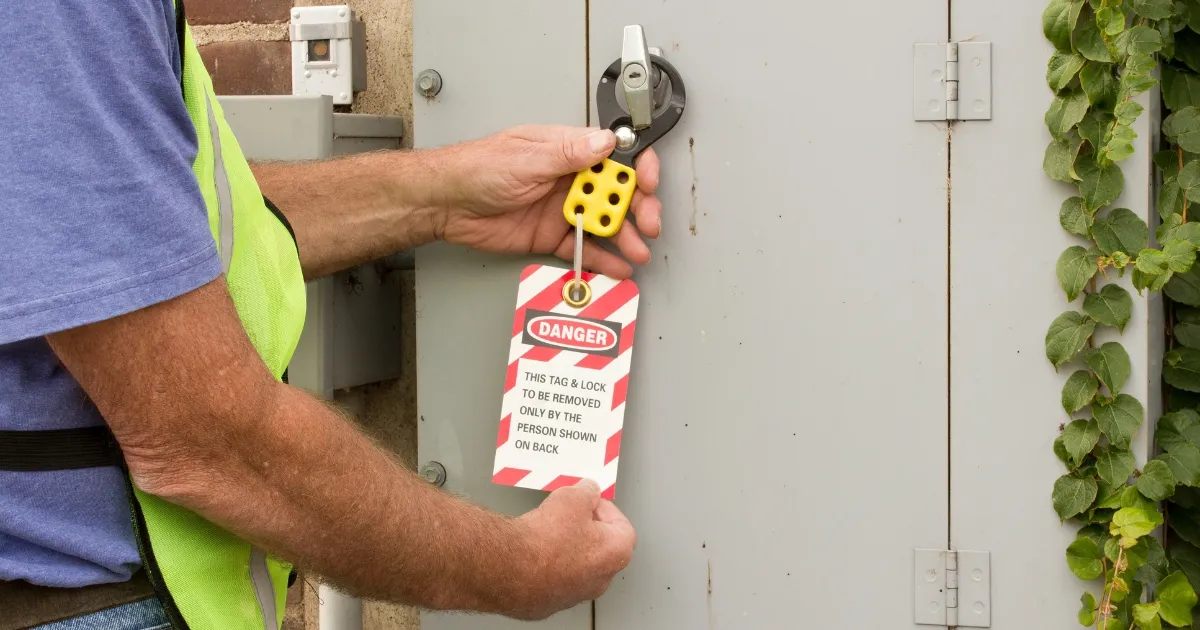
In industries where safety is paramount, maintaining Lockout/Tagout (LOTO) equipment is crucial for ensuring the effectiveness of safety protocols. Proper inspection and maintenance of LOTO devices not only extend their lifespan but also enhance worker safety by mitigating the risk of equipment failure during critical operations. This article explores the best practices for inspecting and maintaining LOTO equipment, emphasising proactive measures to uphold workplace safety standards.
Understanding the Importance of Maintenance
LOTO equipment, including lockout devices, tags, and hasps, serves as the frontline defence against hazardous energy sources. Regular maintenance ensures that these devices function reliably when needed, preventing unintended energy releases that can lead to serious injuries or fatalities. By incorporating maintenance into routine safety procedures, businesses demonstrate their commitment to protecting personnel and complying with regulatory requirements.
Components of LOTO Equipment
Effective maintenance begins with understanding the components of LOTO equipment. Lockout devices come in various forms, from simple padlocks to sophisticated electronic systems, each designed to fit specific machinery and energy sources. Tags provide crucial information about the status of locked-out equipment, while hasps enable multiple workers to apply their own locks, ensuring collective safety during maintenance activities.
Inspection Frequency and Procedures
Establishing a regular inspection schedule is essential for identifying potential issues before they compromise safety. Inspections should encompass visual checks for signs of wear, corrosion, or damage to lockout devices. Functional tests ensure that locks and hasps operate smoothly without sticking or jamming. Additionally, verifying the legibility and completeness of tags ensures clear communication of lockout status to all personnel involved.
Training Personnel for Effective Inspections
Empowering personnel with the skills to conduct thorough inspections is critical for maintaining LOTO equipment integrity. Training programs should educate employees on inspection procedures, highlighting common wear points and potential indicators of device failure. Practical training sessions simulate real-world scenarios, enabling workers to confidently assess and report on the condition of LOTO equipment during routine checks.
Documentation and Record-Keeping
Documenting inspection findings and maintenance activities establishes a comprehensive record of LOTO equipment history. Detailed records facilitate trend analysis, allowing businesses to identify recurring issues or areas requiring enhanced maintenance practices. Furthermore, maintaining records of equipment inspections demonstrates compliance with regulatory standards and serves as a reference for safety audits and reviews.
Implementing Preventive Maintenance Strategies
Preventive maintenance strategies aim to pre-emptively address wear and tear on LOTO equipment. Lubricating moving parts, replacing worn-out components, and conducting periodic calibration checks on electronic lockout systems are examples of proactive measures that extend equipment longevity and reliability. Integrating preventive maintenance into overall safety protocols minimises downtime and optimises operational efficiency.
Collaboration with Equipment Suppliers
Engaging with reputable suppliers ensures access to quality LOTO equipment and expert guidance on maintenance practices. Suppliers often offer training programs and support services to assist businesses in implementing effective maintenance strategies. Collaborative partnerships foster a proactive approach to equipment upkeep, leveraging supplier expertise to enhance workplace safety and compliance with industry standards.
Continuous Improvement Through Feedback
Feedback from frontline workers and safety committees is invaluable for refining maintenance practices. Encouraging open communication enables personnel to report concerns or suggest improvements related to LOTO equipment. Implementing feedback-driven adjustments enhances the effectiveness of maintenance routines, addressing emerging safety challenges and reinforcing a culture of continuous improvement.
Safeguarding Every Lock and Tag
Maintaining LOTO equipment isn’t just about compliance; it’s about safeguarding every lock and tag that stands between workers and potentially hazardous energy sources. By prioritising regular inspections, proactive maintenance, and collaboration with suppliers, businesses uphold their commitment to workplace safety. Investing in the upkeep of LOTO equipment ensures that safety protocols remain robust, protecting personnel and promoting operational resilience in diverse industrial environments.
Sorting out lockout for your own site?
Describe what needs isolating and we'll help you work out the setup that fits.