
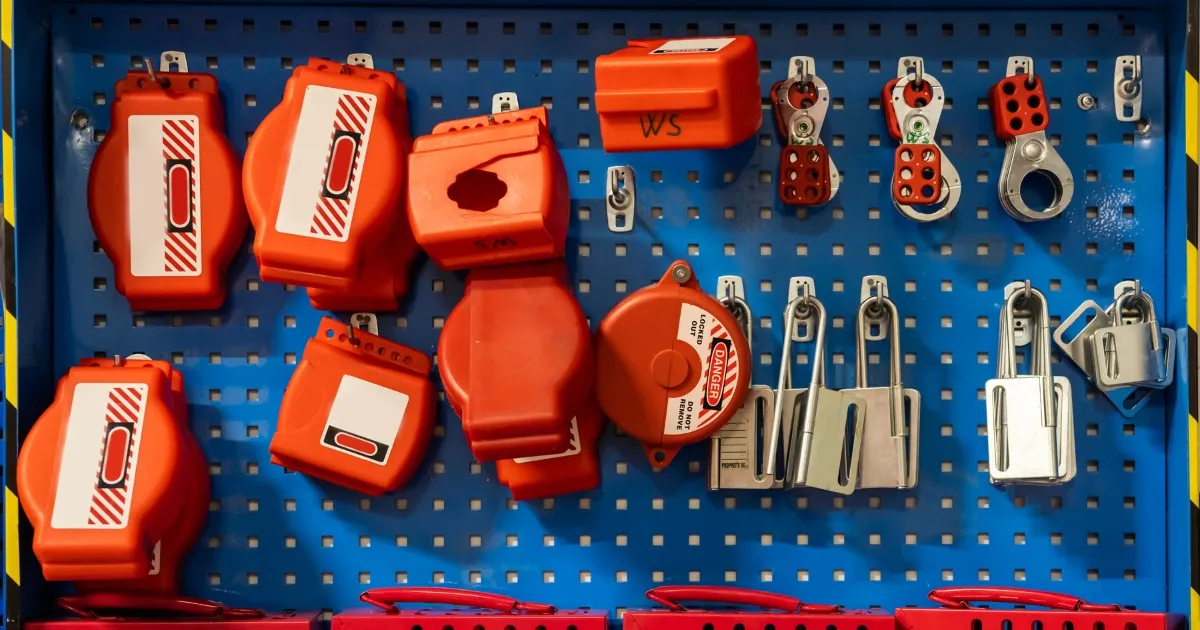
In today’s industrial landscape, ensuring workplace safety isn’t just a legal requirement but a moral obligation. One critical safety protocol that plays a pivotal role across various industries is Lockout/Tagout (LOTO). This procedure is designed to protect workers from hazardous energy sources during maintenance and servicing activities. While the core principles of LOTO remain consistent, its implementation and customisation vary significantly depending on the industry’s unique operational and safety needs.
Understanding Lockout/Tagout (LOTO)
At its core, LOTO involves isolating energy sources (such as electrical, mechanical, hydraulic, or pneumatic) to prevent accidental startup or release of stored energy. This ensures that machinery or equipment cannot be energised or operated while maintenance, repairs, or adjustments are being performed.
Challenges Across Different Industries
Each industry faces distinct challenges when implementing LOTO protocols. In manufacturing, where automated machinery operates continuously, ensuring proper lockout procedures is crucial. The automotive sector deals with complex machinery and high-voltage systems, necessitating meticulous tagging and isolation procedures. Conversely, the healthcare industry focuses on medical equipment and electrical devices, demanding protocols that align with patient safety and operational efficiency.
Customising LOTO Protocols
Customisation of LOTO protocols involves tailoring procedures to fit specific equipment, work environments, and regulatory requirements. For example, in the construction industry, where worksites are dynamic and diverse, flexible lockout devices and clear communication are paramount. In food processing, where sanitation is critical, ensuring LOTO devices are resistant to moisture and contaminants is essential for safe operations.
Training and Awareness
Effective implementation of LOTO protocols hinges on comprehensive training and awareness programs. Workers must understand the importance of LOTO, recognise energy hazards, and be proficient in using lockout devices. Regular refresher courses and scenario-based training help reinforce safe practices and empower employees to confidently implement LOTO procedures in diverse work scenarios.
Regulatory Compliance
Regulations governing LOTO practices vary globally and across industries. In Australia, compliance with AS 4024.1 and relevant state regulations ensures that businesses adhere to best practices in workplace safety. Industries must stay updated with regulatory changes and adapt their LOTO protocols accordingly to mitigate risks and maintain compliance.
Case Studies: Best Practices in Action
Examining case studies from different industries highlights effective LOTO practices. A mining operation, for instance, incorporates strict isolation procedures for heavy machinery to prevent accidents during maintenance. A pharmaceutical facility implements colour-coded tags and multiple lockout points to secure complex processing equipment. These examples underscore the versatility and efficacy of customised LOTO protocols in safeguarding personnel and equipment integrity.
Continuous Improvement and Feedback Loops
Implementing LOTO is not a one-time task but an ongoing commitment to safety improvement. Feedback loops from frontline workers and safety audits drive continuous refinement of LOTO protocols. This proactive approach identifies potential hazards, evaluates existing controls, and implements corrective actions to enhance safety measures across all operational phases.
Safeguarding Tomorrow, Today
Customising LOTO protocols isn’t just about compliance; it’s about fostering a safety culture that prioritises human lives and operational resilience. By tailoring LOTO procedures to industry-specific needs, businesses not only protect their workforce but also enhance productivity and regulatory compliance. Embracing adaptable LOTO protocols ensures that every industry can mitigate risks, prevent accidents, and ultimately thrive in a safer work environment.
Sorting out lockout for your own site?
Describe what needs isolating and we'll help you work out the setup that fits.