
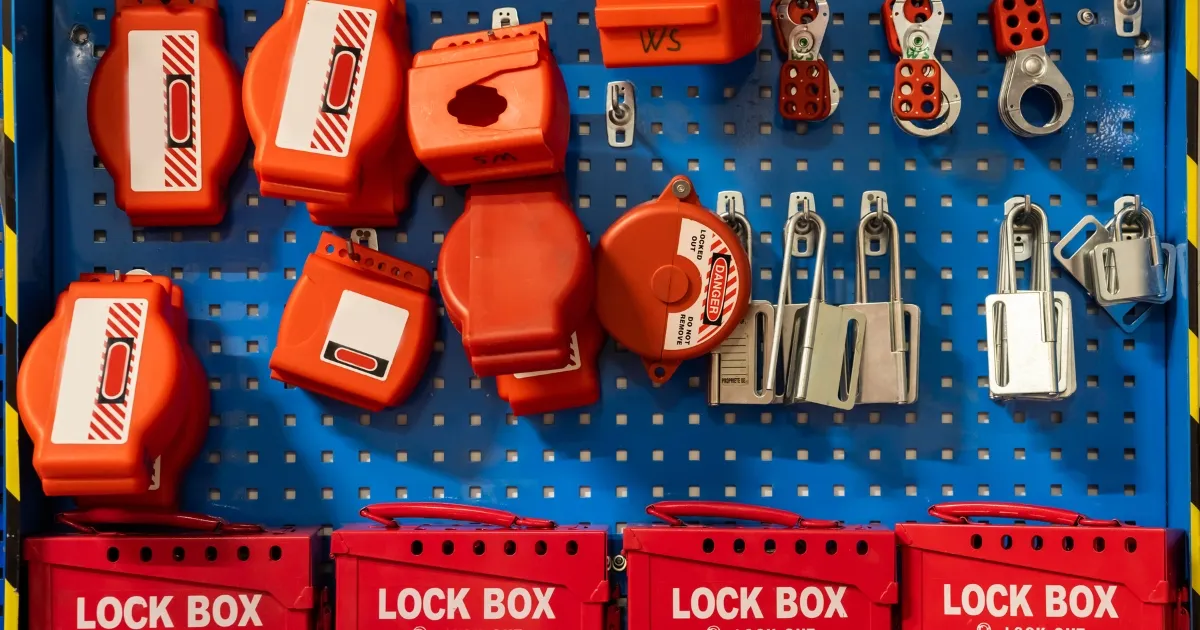
Electrical safety is a top priority in any industrial setting where machinery and electrical systems are involved. Lockout/Tagout (LOTO) procedures are crucial for ensuring that electrical energy sources are properly controlled during maintenance and repair work. These procedures help prevent accidental energisation of equipment, which can lead to serious injuries or fatalities.
Understanding Electrical Lockout/Tagout
Electrical Lockout/Tagout involves isolating electrical energy sources to ensure that they are not accidentally turned on while maintenance is being performed. This process typically involves using physical locks and tags to secure circuit breakers, disconnect switches, and other electrical control points. By following proper LOTO procedures, you can prevent electrical accidents and protect maintenance personnel from electric shocks, burns, and other hazards.
The Importance of Proper Lockout/Tagout Procedures
Proper Lockout/Tagout procedures are vital for electrical safety because they prevent the unintended release of electrical energy. This can include scenarios where equipment is accidentally re-energised or where stored energy poses a risk. Effective LOTO procedures help ensure that all energy sources are securely isolated and that maintenance work can be conducted safely. Adhering to these procedures not only protects workers but also helps in maintaining compliance with safety regulations.
Key Components of Electrical Lockout/Tagout
- Identification of Energy Sources: Clearly identify all electrical energy sources that need to be locked out. This includes circuit breakers, disconnect switches, and any other devices that control electrical power.
- Isolation Procedures: Develop and document procedures for isolating electrical energy sources. These procedures should detail how to safely turn off and secure electrical controls.
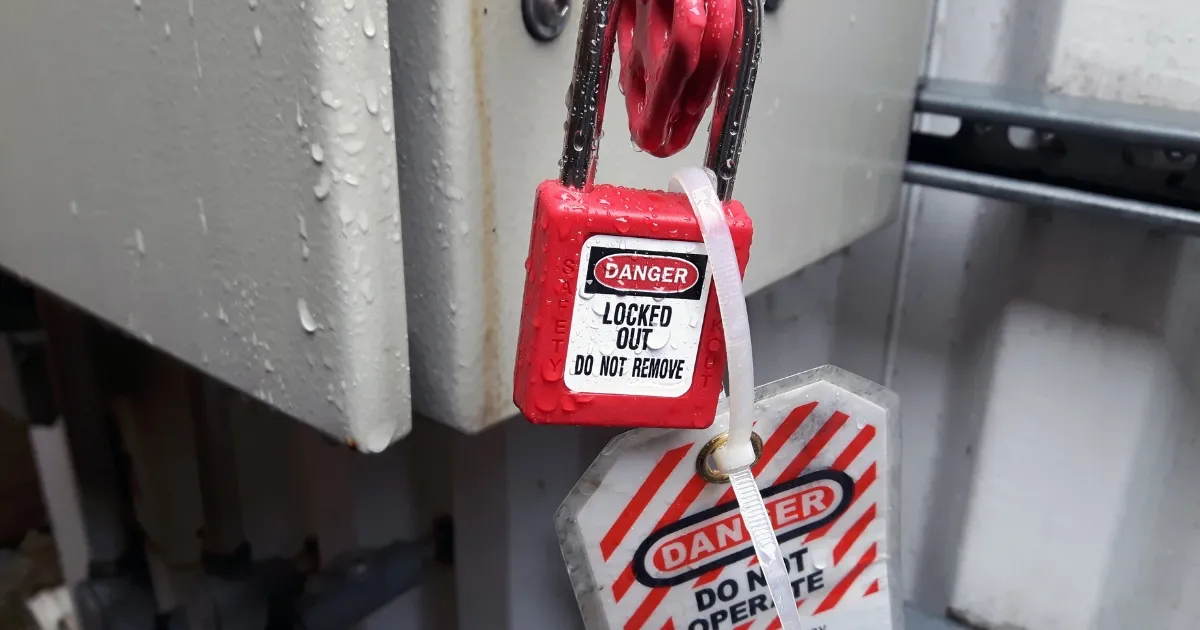
- Lockout Devices: Use appropriate lockout devices, such as padlocks or circuit breaker locks, to physically secure electrical controls. Ensure that these devices are durable and clearly visible.
- Tagout Devices: Attach warning tags to indicate that the equipment is being serviced and should not be operated. Tags should be easily readable and include the name of the person performing the maintenance.
- Verification: Before beginning maintenance work, verify that the electrical energy sources have been properly isolated by testing the equipment. This step is crucial to ensure that no electrical power remains.
Developing Effective Isolation Procedures
Effective isolation procedures are the backbone of a successful Lockout/Tagout program. These procedures should be specific to each piece of equipment and outline the exact steps required to safely isolate electrical energy sources. Include detailed diagrams or labels to help maintenance personnel identify the correct isolation points. Make sure that procedures are regularly reviewed and updated to reflect any changes in equipment or processes.
Training and Awareness
Training is a key component of any Lockout/Tagout program, especially when it comes to electrical safety. All employees involved in maintenance should receive comprehensive training on LOTO procedures, including how to identify energy sources, apply lockout devices, and follow isolation procedures. Regular refresher courses can help reinforce these practices and keep safety protocols top of mind.
Common Electrical Lockout Devices
There are several types of lockout devices used for electrical safety:
- Circuit Breaker Locks: Designed to secure circuit breakers and prevent them from being turned on.
- Lockout Hasps: Allow multiple locks to be applied to a single energy isolation point, ensuring that all parties involved in maintenance are protected.
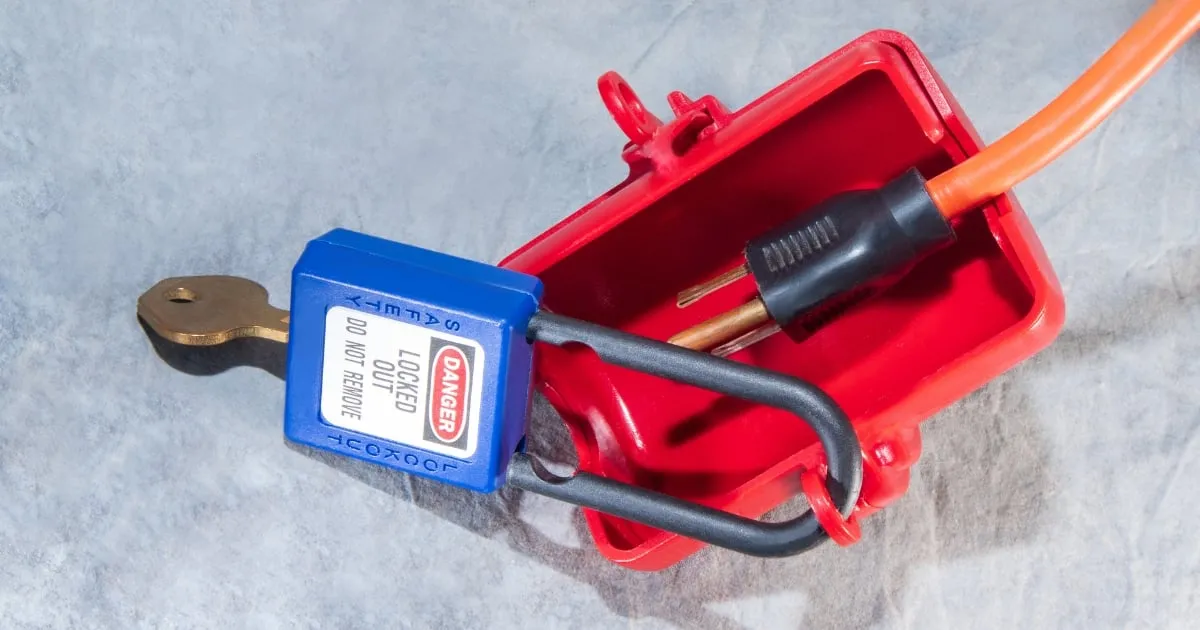
- Plug Lockouts: Used to lock out electrical plugs and prevent the use of equipment while it is being serviced.
Choose devices that are compatible with your electrical systems and ensure that they are used correctly.
Addressing Challenges in Electrical Lockout
Implementing Lockout/Tagout procedures for electrical systems can present challenges, such as dealing with complex electrical panels or ensuring that all energy sources are identified. To overcome these challenges, involve employees in the development of isolation procedures, use detailed diagrams, and conduct thorough inspections. Address any issues promptly and make necessary adjustments to improve the effectiveness of your LOTO program.
Monitoring and Compliance
Regular monitoring and inspections are essential to ensure that Lockout/Tagout procedures are being followed correctly. Conduct periodic audits to review the effectiveness of your electrical LOTO program and identify any areas for improvement. Compliance with safety regulations is crucial for maintaining a safe working environment and avoiding potential fines or penalties.
The Role of Technology in Enhancing Electrical Safety
Advancements in technology are providing new tools and solutions to enhance electrical safety. Smart lockout devices, real-time monitoring systems, and digital training tools can improve the effectiveness of Lockout/Tagout procedures. For example, smart devices can provide real-time alerts and data on the status of electrical energy sources, helping to prevent accidents and streamline maintenance processes.
Power Up Your Safety with Lockout/Tagout
Lockout/Tagout procedures are a critical component of electrical safety, ensuring that energy sources are properly controlled during maintenance and repair activities. By following effective LOTO practices, using the right devices, and investing in training and technology, you can create a safer working environment and prevent electrical accidents. Remember, safety is not just a protocol but a culture, empower your team to prioritise electrical safety and keep your workplace running smoothly.
Sorting out lockout for your own site?
Describe what needs isolating and we'll help you work out the setup that fits.