
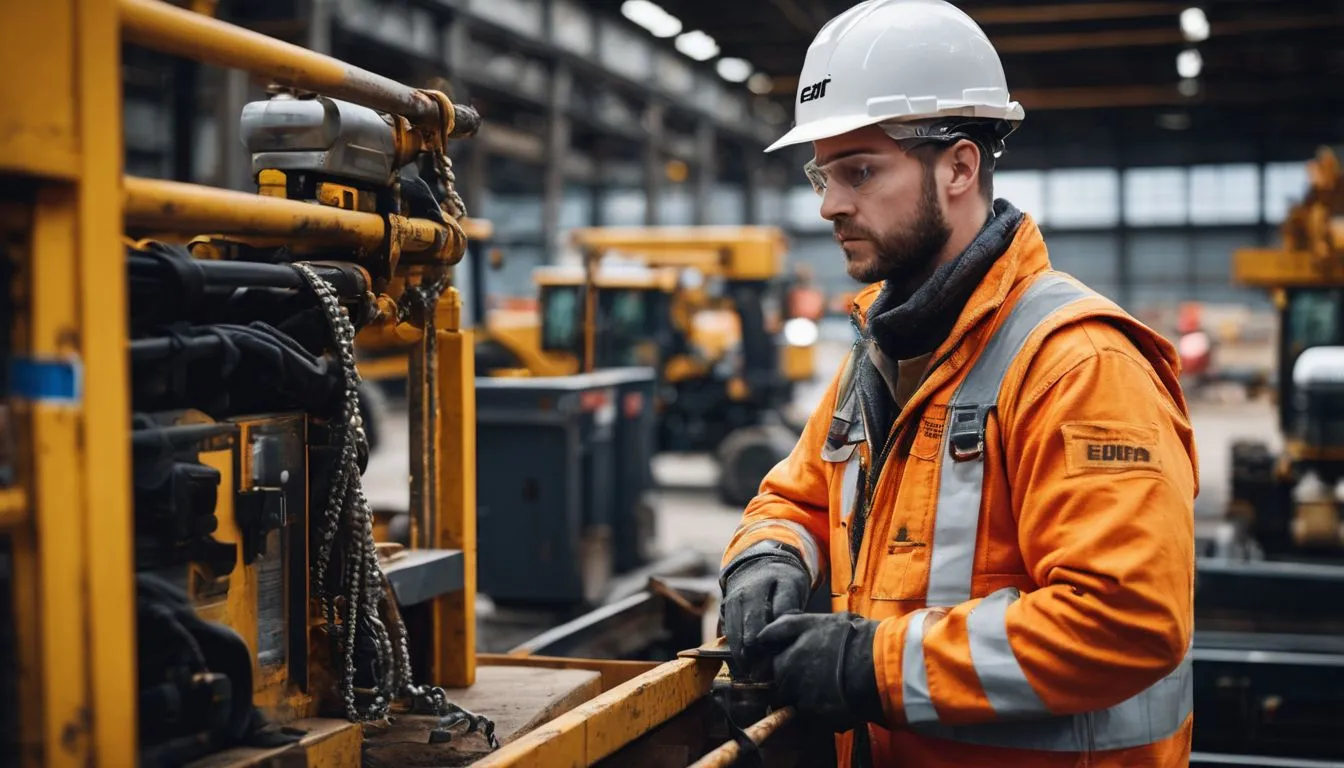
Lockout safety in the workplace can certainly seem like a hefty topic to tackle, can’t it? We absolutely understand – we’ve trodden that path as well, and with an alarming figure of 3 million non-fatal workplace incidents reported to OSHA just last year, there’s no denying how vital this issue truly is.
This article is designed to help navigate you through the intricacies of lockout safety measures – both in understanding these protocols and adopting them effectively. Not only that but also ensuring your working environment ticks all the legal boxes! Hang tight; conquering lockout safety might be simpler than you’re anticipating!
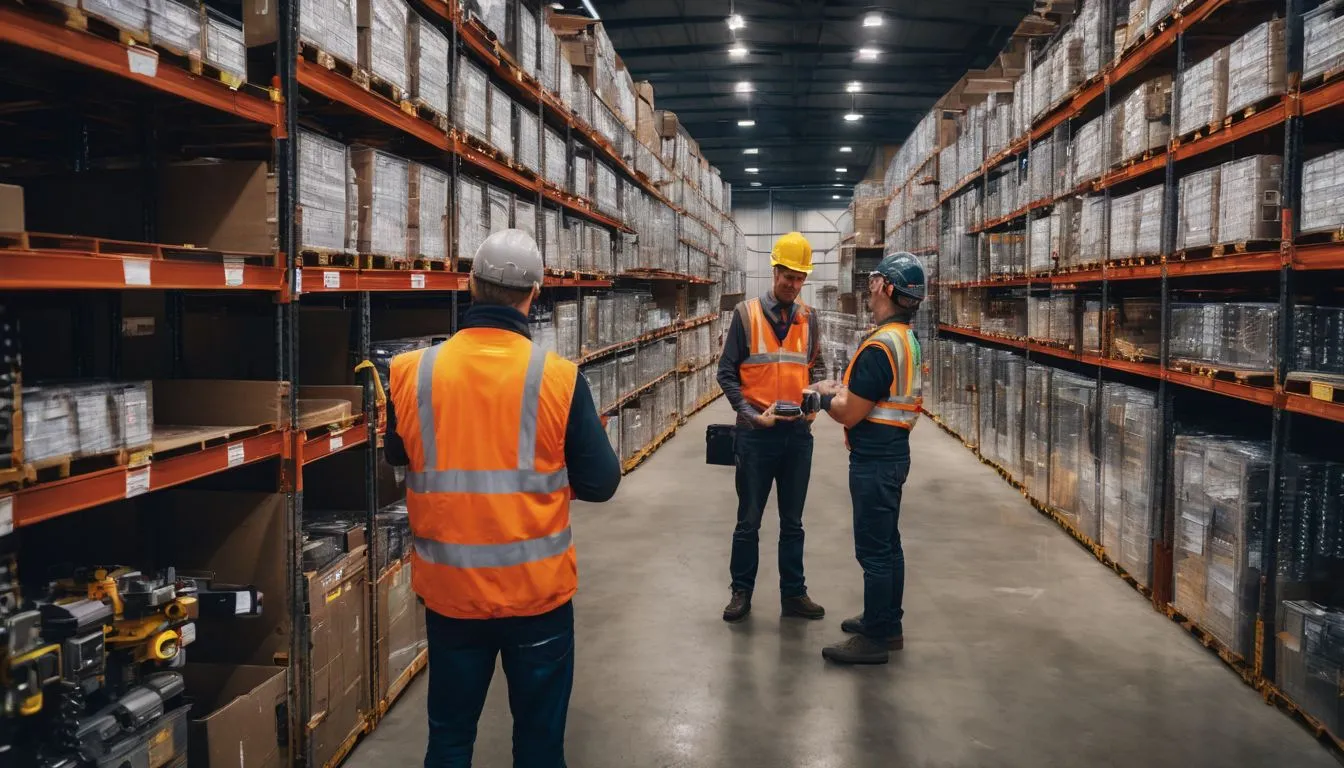
The Importance of Lockout Safety in the Workplace
Lockout safety is of utmost importance in the workplace to prevent accidents, comply with OSHA regulations, and promote a culture of safety among workers.
Preventing accidents and injuries
At home, safety should always be our top priority. One way we can achieve this is by staying vigilant to prevent mistakes that could lead to accidents and injuries. Simple yet effective measures such as keeping walkways clear of clutter, ensuring proper lighting in all areas, promptly cleaning up spills and understanding how to safely operate household equipment can significantly reduce risks.
It’s crucial for us to recognise potential hazards before they become an issue; a keen eye for detail and proactive steps are essential in fostering safety within our homes. Moreover, if we have children or elderly individuals living with us, safeguarding becomes even more vital as they might be more vulnerable to accidents due to their limited mobility or lack of awareness about certain dangers.
Compliance with OSHA regulations
Complying with OSHA regulations is crucial for maintaining a safe and compliant workplace. These regulations are designed to protect workers from occupational hazards and ensure their well-being.
By adhering to OSHA guidelines, we can prevent accidents and injuries, promoting a culture of safety within our organisation. This involves taking necessary measures to handle hazardous materials properly, implementing lock-out tag-out procedures, ensuring machine guarding, and using visual safety aids.
Compliance with OSHA regulations requires regular communication between management and workers, proper training and awareness about safety protocols, implementing safety equipment, conducting risk assessments, maintaining health and safety duties, complying with regulations codes related to electrical risks management.
Promoting a culture of safety
To ensure a safe and compliant workplace, it is crucial to promote a culture of safety. This involves creating an environment where everyone prioritises safety and takes proactive measures to prevent accidents and injuries.
Regular communication between management and workers plays a key role in fostering this culture, as it allows for the exchange of important information and updates regarding safety protocols.
Additionally, encouraging employees to be vigilant in identifying potential hazards and addressing them immediately helps create a safer working environment for everyone involved. By promoting a culture of safety, you can significantly reduce the risk of incidents in your workplace.
Key Elements of Lockout Safety
Proper handling of hazardous materials, implementing lock-out tag-out procedures, machine guarding, and utilising visual safety aids and communication.
Proper handling of hazardous materials
We must handle hazardous materials with care to ensure a safe and compliant workplace. When we properly handle hazardous materials, we prevent accidents, injuries, and potential damage to the environment.
It is crucial that we follow all safety protocols and guidelines when working with these substances to minimise risks. This includes using appropriate personal protective equipment (PPE), storing chemicals correctly, and disposing of them properly.
By taking these precautions, we create a safer work environment for everyone involved.
Lock-out tag-out procedures
Lock-out tag-out procedures are crucial when it comes to workplace safety. These procedures involve isolating and de-energizing equipment before any maintenance or repair work is carried out.
By following lock-out tag-out procedures, you can prevent accidents and injuries caused by unexpected energised equipment. It’s important to understand that even a small amount of electrical current can be hazardous, which is why proper isolation procedures are necessary.
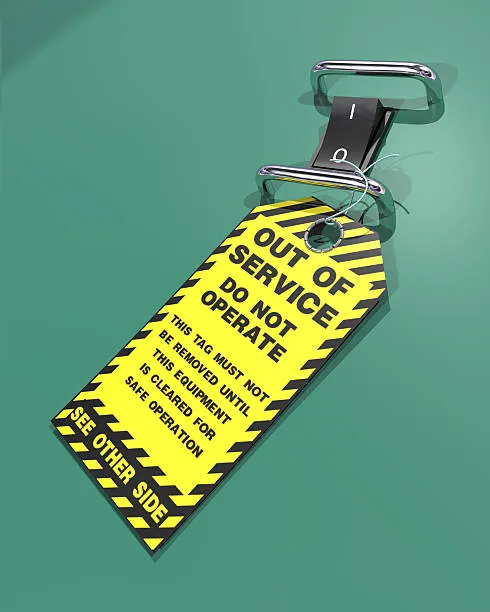
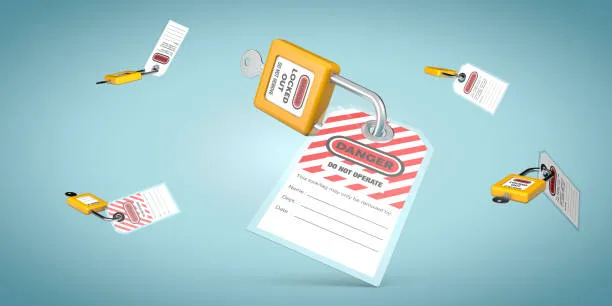
Make sure to always use the appropriate locks and tags to clearly indicate that the equipment is being worked on, ensuring everyone in the workplace understands not to operate it. By implementing these procedures, you’re taking a proactive approach towards creating a safe working environment.
Lock-out tag-out procedures should never be taken lightly as they play a vital role in preventing accidents and injuries in the workplace. Always remember to follow these step-by-step processes:.
1. Notify affected employees: Inform all workers who may be affected by the shut down of equipment about the lockout tagout procedure.
2. Shut down: Turn off and disconnect all energy sources such as electricity, gas, or steam supplying the machine or equipment.
3. Apply locks and tags: Place locks on switches or valves of machinery, preventing accidental activation while work is being done. Additionally, attach tags with clear instructions informing others about the ongoing maintenance work.
Machine guarding
Machine guarding is a crucial element of lockout safety in the workplace. It involves putting protective barriers and devices around machines to prevent access to hazardous parts. By implementing machine guarding, we can significantly reduce the risk of accidents and injuries caused by contact with moving machine parts or flying debris.
This ensures the safety of workers and promotes a culture of safety in the workplace. Remember, machine guarding should always be in place whenever machines are being operated or maintained, as it plays a vital role in creating a safe and compliant work environment for everyone involved.
Visual safety aids and communication
Visual safety aids and communication play a crucial role in maintaining a safe workplace. Clear and easily understandable signs, labels, and symbols help to convey important safety information, such as potential hazards, emergency exits, and required personal protective equipment (PPE).
These visual aids serve as constant reminders for employees to follow safety protocols and stay vigilant. Additionally, effective communication channels between management and workers foster open dialogue about safety concerns or incidents that need addressing.
By prioritising visual safety aids and communication, we can create an environment where everyone is aware of the potential risks and actively works towards maintaining a safe workplace.
Steps to Creating and Maintaining a Safe Workplace
Regular communication between management and workers is essential for creating and maintaining a safe workplace. Proper training and awareness, implementation of safety protocols, and providing adequate safety equipment are all crucial elements in ensuring the well-being of employees.
Regular communication between management and workers
We believe that regular communication between management and workers is vital in creating a safe and compliant workplace. By having open lines of communication, both parties can share valuable information, concerns, and suggestions that contribute to the overall safety of the working environment.
Management can keep workers updated on safety protocols, changes in procedures, and any potential hazards that may arise. On the other hand, workers have the opportunity to provide feedback on their day-to-day work experiences and raise any safety issues they may encounter.
This constant exchange helps to foster a culture of trust, collaboration, and continuous improvement when it comes to workplace safety.
Proper training and awareness
To maintain a safe and compliant workplace, it is crucial to prioritise proper training and awareness. This means providing employees with the necessary knowledge and skills to identify potential hazards, follow safety protocols, and take appropriate action in emergency situations.
Regular training sessions should be conducted to ensure that all workers are up-to-date with the latest safety measures and procedures. By emphasising the importance of awareness and ongoing education, we can create a culture of safety where everyone understands their role in maintaining a secure work environment.
Implementation of safety protocols
We take safety seriously, which is why we have implemented robust safety protocols throughout our workplace. These protocols are designed to protect both our employees and visitors from potential hazards and ensure a safe working environment.
Regular inspections are conducted to identify any areas that may need improvement, and all employees are trained on the importance of following these protocols at all times. By implementing these safety measures, we can minimise accidents and injuries, creating a safe and secure workplace for everyone involved.
Providing adequate safety equipment
We prioritise the safety of our workers by providing them with adequate safety equipment. This includes items such as helmets, gloves, goggles, and protective clothing that are essential for their protection in hazardous work environments.
By equipping our employees with the right gear, we ensure that they have the necessary tools to stay safe and prevent injuries. Our commitment to providing proper safety equipment demonstrates our dedication to creating a secure and compliant workplace for everyone involved.
Legal Requirements for Lockout Safety
To ensure lockout safety in the workplace, it is essential to comply with legal requirements. This includes conducting risk assessments, maintaining health and safety duties, and managing electrical risks.
By understanding and adhering to these regulations, you can create a safer work environment for everyone. Find out more about the legal requirements for lockout safety by reading our full blog post!
Conducting risk assessments
We conduct risk assessments to identify potential hazards and evaluate the level of risk they pose in our workplace. By thoroughly assessing the risks, we can take appropriate measures to reduce or eliminate them, ensuring a safe working environment for everyone.
Risk assessments involve identifying hazards, determining who may be affected by them, and implementing control measures to mitigate the risks. Regularly conducting these assessments allows us to stay proactive in our approach to safety and make informed decisions based on the findings.
Let’s prioritise risk assessments to create a safer and more secure workplace for all of us.
Maintaining health and safety duties
We have a responsibility to maintain health and safety in the workplace. This involves regularly assessing and managing risks, implementing safety protocols, and providing adequate training and equipment for our employees.
By fulfilling these duties, we create an environment that promotes the well-being of everyone involved. It is important to stay proactive about safety and address any potential hazards promptly.
We must prioritise the health and safety of our workers at all times to ensure a safe workplace for everyone involved.
Compliance with regulations and codes
To ensure a safe and compliant workplace, it is crucial to adhere to all relevant regulations and codes. This includes following the guidelines set by organisations such as OSHA (Occupational Safety and Health Administration).
By complying with these regulations, you can create an environment that prioritises the well-being of your employees and reduces the risk of accidents or injuries. It also demonstrates your commitment to creating a safe working environment for everyone involved.
So, make sure to stay up-to-date with all applicable regulations and implement necessary measures to comply with them effectively.
Managing electrical risks
To ensure a safe workplace, it is crucial to effectively manage electrical risks. This includes identifying potential hazards, implementing proper safety measures, and providing adequate training for all employees.
By regularly inspecting electrical equipment and ensuring that proper isolation procedures are followed, you can minimise the risk of accidents and injuries. It is also important to use arc rated clothing and other protective gear when working with live electricity.
Remember, by managing electrical risks effectively, you can create a safer environment for everyone in your workplace.
In addition to these actions, it is essential to have clear communication channels established when managing electrical risks. Regularly updating safety protocols and conducting training sessions will keep employees informed about potential hazards and how to mitigate them.
Resources and Tips for Maintaining a Safe Workplace
Regularly review and update safety protocols, provide continued training and education, identify and address potential hazards, maintain open communication between all employees, and encourage a proactive approach to safety.
Regularly reviewing and updating safety protocols
We know that keeping your workplace safe is a top priority. That’s why regularly reviewing and updating safety protocols is crucial. By doing so, we ensure that our procedures are up-to-date and effective in preventing accidents and injuries.
It also allows us to stay compliant with OSHA regulations, which helps create a culture of safety among all employees. So let’s make it a habit to regularly review and update our safety protocols to keep everyone safe in the workplace.
Continued training and education
To maintain a safe and compliant workplace, it’s crucial for all employees to undergo continued training and education. Regularly updating our knowledge and skills helps us stay informed about the latest safety protocols and best practices.
By participating in training sessions, we can learn new techniques for handling hazardous materials, understand lock-out tag-out procedures, and become familiar with machine guarding measures.
Ongoing education also enables us to identify potential hazards more effectively and address them accordingly. Through continuous learning, we can ensure that our workplace remains a secure environment for everyone involved.
Identifying and addressing any potential hazards
We take safety seriously in our workplace, which is why we are committed to identifying and addressing any potential hazards. It’s important for us to proactively identify anything that could pose a risk to the well-being of our employees.
By regularly conducting thorough assessments, we can pinpoint any potential hazards and take immediate action to address them. This approach helps us create a safer environment where everyone feels protected and can focus on their work without worrying about accidents or injuries.
Our goal is to continuously improve safety protocols and ensure that all measures are in place to minimise risks and promote a culture of safety throughout our workplace.
Open communication between all employees
We believe that open communication between all employees is crucial for maintaining a safe and compliant workplace. When everyone feels comfortable speaking up about potential safety hazards or concerns, it allows for swift action to be taken and prevents accidents from occurring.
It promotes a culture of accountability and responsibility, where every individual takes an active role in ensuring the well-being of themselves and their colleagues. By fostering open lines of communication, we create an environment where safety becomes a collective effort and everyone plays a part in creating a safer workplace for all.
Encouraging a proactive approach to safety
We believe that encouraging a proactive approach to safety is essential for maintaining a safe and compliant workplace. By fostering a culture of awareness and responsibility, we can empower our employees to take an active role in identifying potential hazards and implementing preventive measures.
This includes regularly communicating with management about any safety concerns, staying updated on training and education, following established protocols, and actively participating in the identification and mitigation of potential risks.
Together, we can create a workplace where everyone feels confident in their ability to prioritise safety at all times.
Conclusion
Prioritising lockout safety is crucial for creating a safe and compliant workplace. By preventing accidents, complying with regulations, and promoting a culture of safety, employers can ensure the well-being of their workers.
Implementing proper handling procedures, machine guarding measures, and visual safety aids are essential steps towards maintaining a secure working environment. Let’s work together to make lockout safety a top priority in our workplaces. Utilising lockout safety is an efficient pathway towards a safe and compliant workspace. If you need further support or advice, contact us at Work Safe Lock Outs right away.
Sorting out lockout for your own site?
Describe what needs isolating and we'll help you work out the setup that fits.