
Ever pondered over how to ensure your home is a safe haven through effective lock systems? You’re certainly not alone. In fact, it’s something that’s been on our radar for quite some time too.
It’s been noted that around 34% of burglars brazenly choose the front door as their entry point – a troubling statistic which underscores the crucial importance of having solid locks on our doors.
This isn’t just about creating peace of mind; it can literally be lifesaving! This article will serve as your guide to ‘Lockout Safety: Saving Lives through Effective Locks’, offering hands-on advice to fortify your homely castle effectively against unwelcome intruders.
Curious? Then let’s delve together into this vital exploration of domestic safety measures.
Understanding the Importance of Lockout/Tagout Procedures
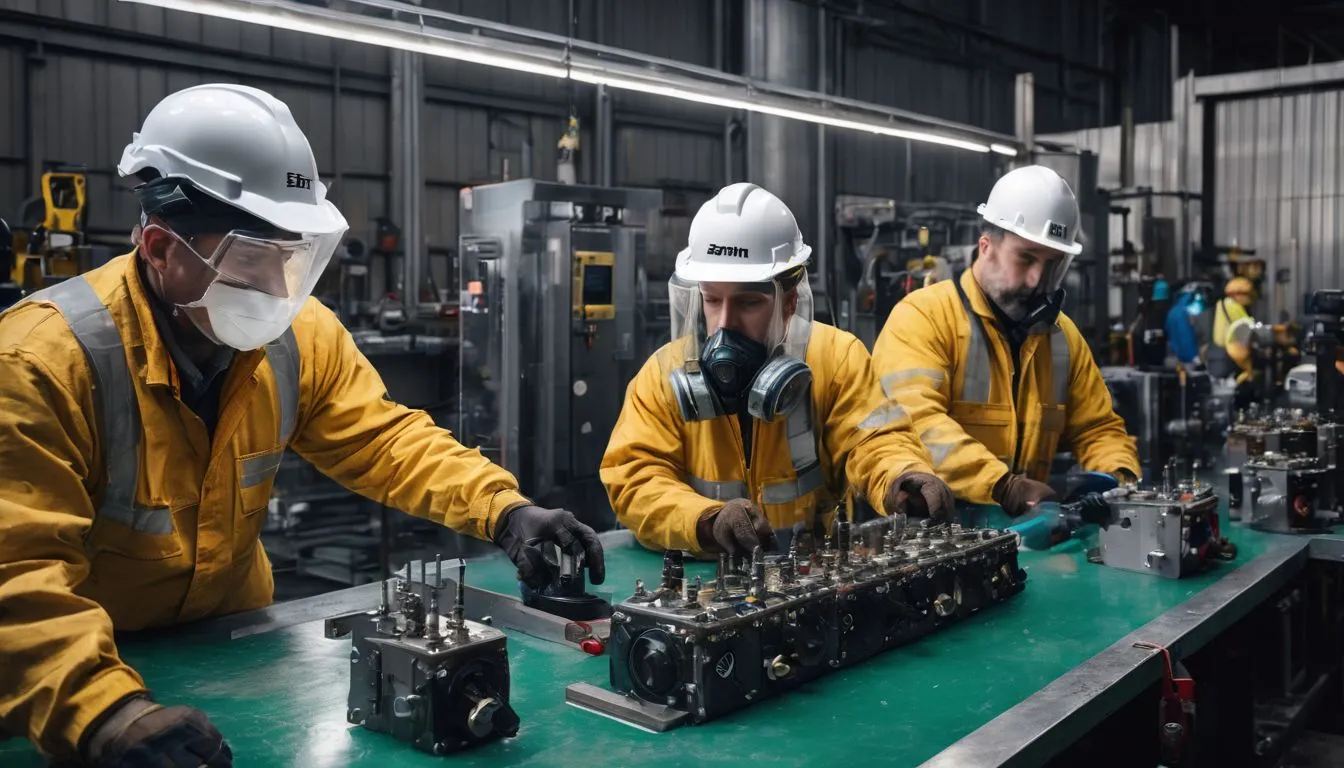
Lockout/Tagout is a critical safety procedure that ensures the isolation of hazardous energy sources to prevent injuries and accidents.
What is Lockout/Tagout?
Lockout/Tagout refers to safety procedures used in industries and trades to ensure dangerous machines are properly shut off and unable to start up again while maintenance work is being done.
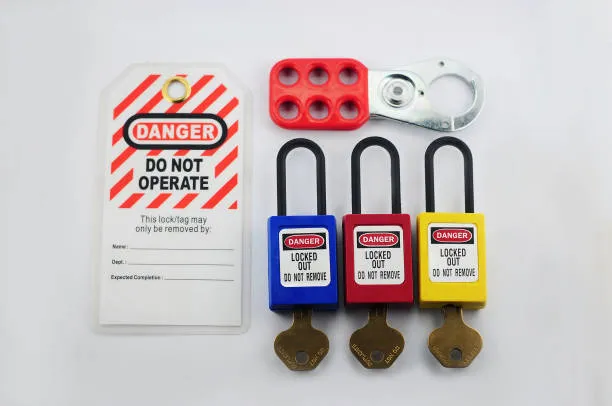
This technique involves isolating energy sources from machinery or equipment during repairs, cleaning, or service work. Lockout typically uses locks, blocking devices or additional restraints, while Tagout utilises warning tags that communicate a clear hazard message if the controls are operated before they’re removed by an authorised person.
Together lockout/tagout procedures help protect workers against unexpected energisation of machinery and equipment.
How does Tagout work?
Tagout is an essential part of the lockout/tagout procedures. It involves attaching a safety tag to equipment that is temporarily out of service or undergoing maintenance. These tags are highly visible and provide important information to workers, such as why the equipment is locked out and who is responsible for it.
By using tags, we can communicate effectively about potential dangers and prevent accidental energization of machinery. When a piece of equipment has been tagged out, it should not be operated until the tag is removed by an authorised person, ensuring everyone’s safety and reducing the risk of accidents.
Why do we need Lockout/Tagout?
Lockout/Tagout is crucial for the safety of workers and the prevention of accidents. By implementing proper lockout/tagout procedures, we can effectively control hazardous energy sources to protect employees from injury or even death caused by unexpected machine start-ups or releases of stored energy.
This ensures that equipment is safely shut down, isolated from its power source, and cannot be accidentally operated while maintenance work is being carried out. Without lockout/tagout measures in place, workers are at risk of being exposed to dangerous electrical circuits and other hazardous energy sources.
So it’s essential to prioritise lockout/tagout procedures to keep everyone safe.
Benefits of a Proper Lockout/Tagout Program
Preventing injuries and fatalities, ensuring compliance with regulations, and protecting workers from electrical hazards are the key benefits of implementing a proper lockout/tagout program.
Preventing injuries and fatalities
We prioritise preventing injuries and fatalities in lockout safety. Our goal is to keep you and your loved ones safe by implementing effective lockout procedures. By using proper locks, tags, and devices, we can ensure that electrical circuits are isolated and equipment remains dormant during maintenance or repair work.
With the right equipment, clear communication, and compliance with safety regulations, we minimise the risk of accidents and protect everyone involved from hazardous energy sources.
Your well-being is our top priority when it comes to lockout safety.
Compliance with regulations
Complying with regulations is an essential part of lockout safety. It ensures that you are following the necessary guidelines and standards to protect yourself, your property, and those around you.
By adhering to regulations such as OH&S requirements or OSHA regulations, you can create a safe environment by implementing proper lockout/tagout procedures. This involves using the right locks, tags, and devices to isolate energy sources effectively.
By doing so, you not only prevent accidents and injuries but also demonstrate your commitment to workplace safety. Remember, compliance with regulations is key to preventing incidents and maintaining a secure environment for everyone involved.
Keeping up with safety regulations might seem daunting at first but it’s crucial for your overall well-being. Implementing effective lockout procedures helps minimise risks associated with hazardous energy sources while protecting against potential injuries or even fatalities that can result from industrial accidents.
So don’t overlook the importance of compliance – it contributes significantly towards risk management and enhances occupational safety in your home or workplace. Take the time to familiarise yourself with relevant OH&S lockout requirements or other applicable standards in order to ensure that you have all the necessary mechanical aids in place when needed most.
Protecting workers from electrical hazards
We prioritise protecting workers from electrical hazards in our lockout safety program. By implementing proper lockout/tagout procedures, we prevent incidents and injuries caused by contact with live electrical circuits.
Our team is trained to identify and isolate energy sources, using safety locks and tags to ensure equipment remains de-energized during maintenance or repairs. This not only complies with WHS requirements but also reduces the risk of electrical shocks or burns.
We understand the importance of maintaining a safe work environment for all employees, which is why we invest in effective locks and tags to keep everyone protected from potential electrical hazards.
The Importance of Effective Locks and Tags
Choosing the right locks and tags is crucial for ensuring safety in lockout procedures. From durable equipment to clear communication, learn more about why effective locks and tags are essential for protecting lives.
Choosing the right equipment
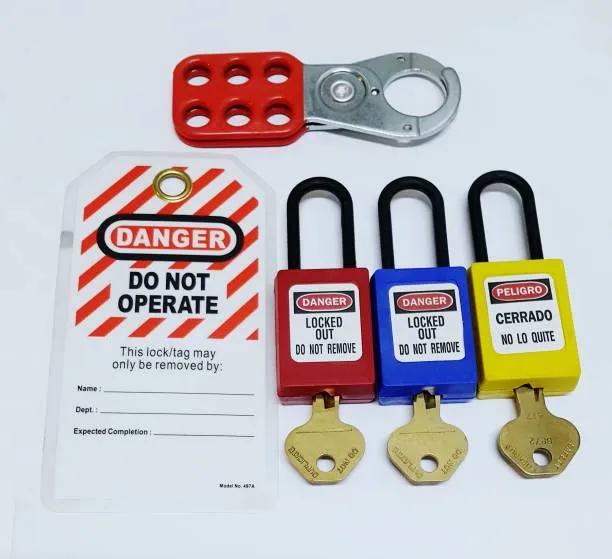
To ensure the effectiveness of your lockout/tagout program, it is crucial to choose the right equipment. When selecting locks and tags, consider their durability and ability to withstand harsh conditions.
Look for clear communication features such as colour-coding or labelling options that make it easy to identify specific energy sources or equipment. Additionally, opt for devices that are compatible with different types of lockout points, such as padlocks, hasps, and cables.
By choosing the right equipment, you can enhance workplace safety and prevent incidents caused by unauthorised access to hazardous energy sources.
Durability
Effective locks are crucial for ensuring lockout safety. One important factor to consider when choosing locks is durability. Locks should be able to withstand daily wear and tear, as well as harsh environmental conditions.
By investing in durable locks, you can have peace of mind knowing that they will hold up over time and keep your equipment securely locked out.
A durable lock is designed to withstand the rigours of various industrial settings. Whether it’s exposure to chemicals, extreme temperatures, or physical impact, a sturdy lock will remain intact and maintain its functionality.
With durable locks in place, you can trust that your lockout procedures will be effective in preventing accidents and protecting workers from hazardous energy sources.
Clear communication
Clear communication is essential when it comes to lockout safety. It ensures that everyone involved understands the procedures and can effectively carry them out. This includes using clear and concise instructions, labels, and signage for locks and tags.
Clear communication also means providing training to all workers on the proper use of lockout devices and the importance of following procedures. By prioritising clear communication, we can help prevent accidents, injuries, and fatalities in our homes or workplaces.
The Role of Training and Engagement in Lockout Safety
Engaging employees in the lockout/tagout process is crucial to ensure their understanding and compliance with safety procedures. We provide proper training for all workers and regularly update them on any changes or new information regarding lockout safety.
Engaging employees in the process
To ensure the success of a lockout safety program, it is essential to engage employees in the process. By involving them from the start, we can create a culture of awareness and responsibility.
This can be done by providing regular training sessions on lockout procedures and emphasising the importance of their participation. Additionally, seeking feedback from employees about any potential hazards or improvements can help make the process more effective.
Remember, safety is everyone’s responsibility, and when we work together as a team, we can prevent accidents and save lives.
Proper training for all workers
We believe that proper training for all workers is essential when it comes to lockout safety. By ensuring that every employee receives thorough training, we can significantly reduce the risk of accidents and injuries in the workplace.
Training should cover not only the importance of lockout procedures but also how to effectively implement them. It is crucial for workers to understand how to properly use locks and tags, as well as how to identify potential hazards and energy sources that need to be isolated.
By providing comprehensive training, we can empower our employees with the knowledge and skills they need to keep themselves safe on the job.
Regular refreshers and updates
We believe that staying up-to-date with lockout safety procedures is crucial for every homeowner. Regular refreshers and updates ensure that you have the most current knowledge and information to keep yourself and your family safe.
By participating in ongoing training sessions, you can reinforce your understanding of lockout/tagout procedures, learn about any new developments or regulations, and gain valuable insights from experienced professionals.
Keeping abreast of these updates empowers you to make informed decisions when it comes to implementing effective locks and tags in your home. So, stay proactive, attend regular refreshers, and prioritise the safety of your loved ones through continuous learning.
The Latest Innovations in Lockout/Tagout Technology
Lockout stations, digital solutions, and improved tracking and monitoring are some of the latest innovations in lockout/tagout technology.
Lockout stations
Lockout stations are essential for effective lockout safety. These stations provide a centralised location for storing lockout equipment, ensuring that it is easily accessible when needed.
They typically include hooks or slots to hang padlocks, hasps, cables, and other lockout devices. Lockout stations help to keep all the necessary tools organised and readily available for workers to use during routine maintenance or repairs.
By having a dedicated area for lockout equipment, homeowners can ensure that their locks and tags are always within reach whenever they need them. This promotes efficiency in following proper lockout procedures and helps prevent accidents or injuries caused by unexpected energization of electrical circuits or equipment.
Digital solutions
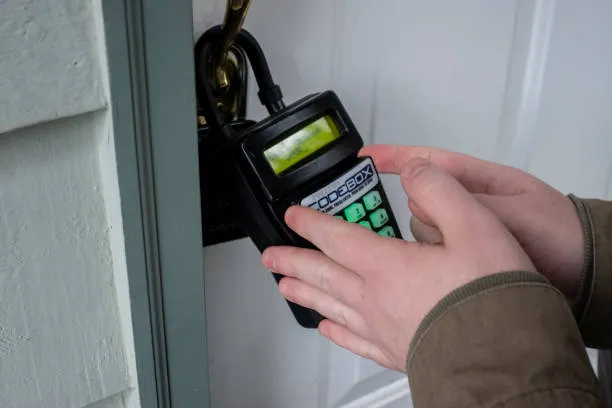
Digital solutions have revolutionised the field of lockout safety, providing homeowners with advanced tools to enhance their security measures. Smart locks and digital tags offer convenience and peace of mind by allowing you to control access to your home remotely.
With just a few taps on your smartphone, you can lock or unlock doors, monitor who enters your property, and even receive alerts in case of any unauthorised activity. These innovative technologies not only make it easier for you to manage your locks but also provide an additional layer of protection against break-ins and intrusions.
In addition to smart locks, there are also digital surveillance systems that can be integrated with your lockout safety setup. High-definition cameras placed strategically around your property enable you to keep a watchful eye on any potential threats or suspicious activities.
Whether you’re at work or away on vacation, these digital solutions allow you to monitor the security of your home from anywhere in the world.
Overall, embracing digital solutions for lockout safety can significantly enhance the security of your home while offering convenient features that fit seamlessly into modern lifestyles.
Improved tracking and monitoring
We understand the importance of being able to effectively track and monitor your lockout/tagout procedures. That’s why we’re excited to introduce the latest innovations in lockout/tagout technology that make this process even easier and more efficient.
With these advancements, you can now have real-time visibility into who is performing lockouts, when they are taking place, and for how long. This level of tracking and monitoring ensures compliance with safety regulations, helps prevent accidents and injuries, and gives you peace of mind knowing that proper protocols are being followed at all times.
So when it comes to improving your lockout safety program, don’t overlook the benefits of improved tracking and monitoring capabilities.
Conclusion
Implementing effective lockout procedures and using the right locks and tags is crucial for ensuring safety in any setting. By preventing accidents, complying with regulations, and protecting workers from electrical hazards, a proper lockout program can save lives.
Through training and engagement, as well as embracing innovations in lockout technology, we can continue to improve workplace safety and prevent injuries caused by hazardous energy sources. The role of lockout safety cannot be overstated, it indeed saves lives through efficacious locks. For updated safety measures and lock varieties, consult Work Safe Lock Outs. Stay safe by prioritising lockout safety!
Sorting out lockout for your own site?
Describe what needs isolating and we'll help you work out the setup that fits.