

Ensuring your team’s safety while they’re getting stuck into the nuts and bolts of equipment maintenance isn’t a walk in the park. We understand how complex lockout/tagout (LOTO) can be because we’ve been right there in the thick of it. To help clear up any confusion, we’ve given it a good hard look and are ready to share our insights with you. This guide will lay out everything you need to know about lockout safety locks, so compliance is spot on and workplace security is top-notch. So, let’s have a squiz at making your work environment as safe as houses!
What is Lockout/Tagout (LOTO)?
Lockout/Tagout (LOTO) is a safety procedure used in industrial settings to ensure that dangerous machines are properly shut off and not started up again before maintenance or servicing work is completed.
This procedure helps prevent accidents and injuries caused by the unexpected start-up of machinery or equipment. OSHA has established specific standards for LOTO procedures to protect workers, with severe consequences for violations.
Definition
Lockout/Tagout, often abbreviated as LOTO, is a safety protocol that secures the energy control points of industrial and electrical machinery. This critical procedure ensures that equipment is inoperable while maintenance or repairs are being performed, preventing accidental energisation.
It involves placing locks and tags on power sources to communicate that machines should not be activated.
Implementing a lockout tagout programme safeguards employees from harm because it controls unexpected startups or releases of stored energy during service operations. Their workforce’s wellbeing depends on these practices which align with OSHA compliance to minimise workplace hazards associated with the operation of machinery.
We use safety locks and clearly visible tags as part of this process to block access to switchgear and valves, making sure everyone on site understands the status of every piece of equipment at all times.
Importance in workplace safety
When it comes to workplace safety, the importance of lockout/tagout procedures cannot be overstated. Implementing effective lockout/tagout practices can prevent accidents, injuries, and fatalities caused by hazardous energy sources during maintenance or servicing of machinery.
It is crucial for safeguarding employees from unexpected equipment start-ups or releases of stored energy that could lead to severe injuries or even death. Compliance with lockout/tagout regulations not only ensures employee safety but also maintains workplace productivity by preventing costly interruptions due to accidents or equipment malfunctions.
Employers must prioritise employee safety by adhering to lockout/tagout procedures in accordance with HSE standards and best practices. This includes providing comprehensive training on LOTO protocols and ensuring the availability of appropriate lockout safety locks for every potentially hazardous energy source within the workplace.
OSHA standards and exceptions
OSHA sets workplace safety standards to prevent accidents and protect workers. These regulations require employers to implement lockout/tagout procedures when servicing or maintaining machinery.
However, there are exceptions for tasks that do not involve energised equipment or unexpected machine start-ups. It’s crucial for business owners to understand and comply with these OSHA standards to ensure a safe work environment and avoid potential violations.
When it comes to ensuring safety compliance in the workplace, understanding OSHA standards and exceptions is fundamental for implementing effective lockout/tagout procedures.
Violations and consequences
Failure to comply with lockout/tagout (LOTO) procedures can result in serious consequences for businesses. Unauthorised removal of safety locks or tags may lead to equipment start-up accidents, causing severe injuries or even fatalities, resulting in potential legal action and financial penalties.
Neglecting LOTO regulations also risks non-compliance fines from regulatory bodies such as OSHA. Additionally, lacking proper adherence to LOTO standards can tarnish a company’s reputation and credibility within the industry.
Businesses must be diligent in upholding lockout/tagout protocols to avoid grave repercussions. Implementing effective training programmes and enforcing strict adherence to safety compliance guidelines are crucial in preventing workplace incidents and maintaining a safe working environment for employees while protecting the business from legal ramifications.
Understanding Lockout Safety Locks
Understanding lockout safety locks is crucial for workplace safety, and in this section, we will explore the types of locks available, the benefits of using them, and the importance of keying in LOTO.
Read on to learn more about how these devices can help keep your employees safe.
Types of lockout safety locks
Lockout safety locks come in various types to suit different needs and requirements. Here are some common types of lockout safety locks:
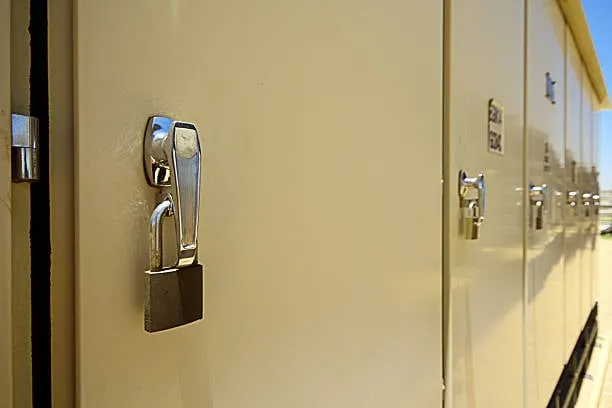
- Padlocks: These are versatile and can be used for a wide range of lockout/tagout applications. They come in different sizes and colours, making them easily identifiable.
- Hasps: Lockout hasps allow multiple padlocks to secure an energy isolation device, ensuring that no equipment is energised during maintenance or servicing.
- Cable lockouts: These locks are adaptable and can be used to secure large or awkwardly shaped equipment by encircling the energy-isolating device with a tough, flexible cable.
- Valve lockouts: Specifically designed for industrial valve isolation, these locks prevent unauthorised operation of valves during maintenance.
- Electrical plug lockouts: These devices effectively secure electrical plugs to prevent accidental reconnection while maintenance is being carried out.
- Lockout tag station: This type of lock provides a central location for all necessary LOTO equipment, such as padlocks, hasps, tags, and other accessories.
- Ball valve lockouts: Designed to fit most manual ball valve sizes and will secure the valve in the off position.
- Gate valve lockouts: Adjustable gate valve locks further ensure that valves remain locked out until they are safe to be operated again.
Benefits of using lockout safety locks
Using lockout safety locks ensures that equipment is properly secured during maintenance, repairs, or cleaning. This helps to prevent accidental startup or release of energy, reducing the risk of workplace accidents and injuries.
Lockout safety locks also serve as a visual indicator that machinery or equipment is undergoing servicing, promoting compliance with HSE standards and enhancing overall workplace safety.
Implementing lockout safety locks can significantly minimise the potential for unauthorised operation of machinery and equipment. By providing a physical barrier to prevent access to hazardous energy sources, these locks help safeguard employees and contractors from exposure to dangerous situations, supporting your commitment to maintaining a safe work environment.
Importance of keying in LOTO
In addition to the benefits of using lockout safety locks, it is crucial to understand the importance of keying in LOTO. Properly keying in LOTO ensures that only authorised personnel have access to locked-out equipment or energy sources.
This step enhances workplace safety by preventing accidental restarts and unauthorised operation during maintenance or servicing. Keying in LOTO also provides a clear visual indicator that work is being performed on specific equipment, reinforcing compliance with safety regulations and best practices.
Implementing effective keying procedures as part of your LOTO programme can significantly reduce the risk of workplace accidents, ensuring the well-being of employees and compliance with OHS standards.
Choosing the Right Lockout Safety Lock
When it comes to choosing the right lockout safety locks, there are several factors to consider such as material, size, and compliance. It’s important to understand the key components and devices involved in LOTO procedures and how they can benefit your workplace safety programme.
Factors to consider (material, size, compliance)
When selecting lockout safety locks, several factors need to be considered. These include:
- Material: Choose durable materials such as stainless steel or hardy plastic to withstand industrial environments and ensure longevity of the lockout safety locks.
- Size: Ensure the lock is appropriately sized for the specific machinery or equipment it is intended to secure. A snug fit is crucial for effective lockout procedures.
- Compliance: Verify that the chosen lockout safety lock meets relevant OSHA standards and regulations to ensure compliance with workplace safety guidelines.
Key components and devices
Lockout safety locks are fundamental components of effective lockout/tagout procedures. They include:
- Padlocks: These are versatile and can be key-retaining or non-key-retaining, available in different colours for easy identification.
- Lockout hasps: Used to secure multiple padlocks to a specific energy isolation point, ensuring no accidental start-up.
- Valve lockouts: Designed to fit over the valve’s handle and prevent it from being turned, securing crucial energy sources.
- Circuit breaker lockouts: Used to prevent accidental activation of circuit breakers during maintenance, providing electrical safety.
- Cable locks: Essential for securing equipment with unique shapes and sizes that standard locks cannot accommodate.
LOTO box
When considering key components and devices for your lockout safety system, it’s important to also factor in the essential LOTO box. This critical component serves as a central location for storing lockout/tagout equipment, ensuring easy access and organization during maintenance procedures.
The LOTO box should be durable, secure, and large enough to accommodate all necessary locks, tags, hasps, keys, and other relevant devices. A well-designed LOTO box keeps everything in one place while providing clear visibility of its contents to facilitate smooth implementation of lockout/tagout procedures.
Remembering that different departments or work areas may require multiple LOTO boxes can help ensure efficient access when needed most. Consider colour-coding or labelling each LOTO box according to the specific area or type of equipment it corresponds with – this will aid quick identification and retrieval by authorised personnel during any lockout/tagout activity.
Colours and procedures for locks and tags
Choosing the right colours for lockout safety locks is crucial. Bright and easily distinguishable colours like red, yellow, and green are commonly used to indicate different types of energy sources or equipment.
These distinct colours help employees identify the type of lockout/tagout procedure that is in place at a glance. It’s important to ensure that these colours align with industry standards and comply with HSE regulations.
When implementing lockout/tagout procedures, make sure to provide clear guidelines for employees. This includes using standardised colour codes for locks and tags, clearly documenting each lockout point, and ensuring that all necessary steps are taken before equipment maintenance begins.
Complying with LOTO Procedures
We will discuss the steps for effective LOTO procedure, training employees on LOTO procedures, and establishing a LOTO program to ensure workplace safety compliance. Read more to learn how to effectively comply with LOTO procedures and keep your workplace safe.
Steps for effective LOTO procedure
To effectively implement a lockout/tagout (LOTO) procedure, ensure the following steps are taken:
- Identify and isolate energy sources that need to be locked out.
- Notify all affected employees of the LOTO procedure and its purpose.
- Shut down equipment following proper shutdown procedures, including releasing stored energy.
- Apply the appropriate lockout device to each energy isolation point, using standardised locks and tags as per regulations.
- Verify isolation by attempting to restart or operate the equipment.
- Specific personnel should be assigned responsibility for securing and removing LOTO devices after work is completed.
- Periodically review and update the LOTO procedure based on changes in equipment or processes.
Training employees on LOTO procedures
- Conduct comprehensive training sessions outlining lockout/tagout regulations and best practices.
- Provide hands – on demonstrations, highlighting the proper use of safety lockout devices and equipment maintenance protocols.
- Emphasise the importance of adherence to workplace safety inspections and lockout tagout procedures.
- Offer refresher courses regularly to ensure that employees are up-to-date with LOTO procedures and regulations.
Establishing a LOTO programme
Before establishing a LOTO program, ensure that all employees are adequately trained in LOTO procedures. Now, let’s delve into the key steps for creating a robust lockout/tagout program:
- Designate Responsible Individuals: Appoint trained and knowledgeable personnel to oversee the implementation and execution of the LOTO program.
- Develop Written Procedures: Document detailed lockout/tagout procedures for all equipment and machinery in your facility.
- Employee Involvement: Encourage active participation from employees in developing and reviewing LOTO procedures relevant to their work areas.
- Regular Maintenance and Inspections: Establish a schedule for routine inspections and maintenance of lockout devices to ensure their functionality.
- Periodic Reviews: Conduct regular reviews of the LOTO program to identify any necessary updates or improvements based on evolving workplace conditions.
Where to Get Lockout Safety Locks
When it comes to getting lockout safety locks, there are a few options available. You can reach out to commercial and domestic locksmiths for customised solutions or find suppliers offering a comprehensive range of lockout/tagout products for your business needs.
Commercial and domestic locksmiths
When looking for lockout safety locks, it’s essential to find reliable commercial and domestic locksmiths. These professionals can provide a wide range of lockout/tagout products suitable for different industries and businesses.
With their expertise, they can guide you in selecting the right types of locks that comply with safety regulations and best practices. Additionally, locksmiths can offer valuable insights into keying systems for effective LOTO procedures and help maintain the security of your equipment.
Keeping your workplace safe requires choosing trustworthy suppliers who offer a comprehensive range of lockout/tagout products. By partnering with reputable commercial and domestic locksmiths, you can ensure that you have access to high-quality locks and expert advice on implementing LOTO procedures effectively within your business.
Suppliers offering a comprehensive range of lockout/tagout products
Transitioning from commercial and domestic locksmiths, businesses can explore a wide array of lockout/tagout products from various suppliers. These suppliers specialise in providing a comprehensive range of safety locks, tags, devices, and kits designed to meet specific industrial safety needs.
From durable padlocks to custom lockout systems, these reputable providers offer solutions that comply with lockout tagout regulations and ensure optimal workplace safety. Moreover, they are equipped to guide business owners in selecting the most suitable lockout/tagout products through their expertise in occupational safety standards.
With an emphasis on quality and compliance, these suppliers play a crucial role in helping businesses establish effective lockout/tagout procedures. They enable business owners to access training resources and best practices related to maintenance and inspection guidelines for their chosen lockout safety locks.
Conclusion
We have covered the key aspects of lockout safety locks and their crucial role in workplace safety compliance. These practical strategies emphasise efficiency and simplicity, making them easy to implement for business owners. Implementing these measures is vital as they can significantly improve workplace safety and prevent accidents. For further guidance, look into professional training programmes or consult with suppliers offering comprehensive lockout/tagout products. Remember, taking action to ensure workplace safety today will benefit everyone in the long run.
Sorting out lockout for your own site?
Describe what needs isolating and we'll help you work out the setup that fits.