

Lockout safety locks, also known as LOTO locks, are crucial for keeping workers safe by preventing machines from unexpectedly starting up during maintenance. Unlike ordinary padlocks designed to deter theft, LOTO locks comply with specific OSHA standards that keep workers away from dangerous energy accidents. These regulations play a vital role in how businesses operate to protect their employees.
Understanding the importance of these safety devices means looking at the bigger picture, how they contribute to reducing workplace hazards and saving lives. There has been a pressing need for such measures in industries where machinery can pose serious risks if not handled correctly. We’ll explore the differences between these specialised locks and standard padlocks, highlighting design features specifically aimed at enhancing workplace security. Moreover, we’re going to uncover why training everyone involved, from management to floor personnel, is a critical step towards effective lockout-tagout practices.
Technology brings us new opportunities for improved compliance through software that streamlines LOTO procedures. Tools like templates and checklists become invaluable assets for ensuring every step of the safety process is followed accurately. By comparing other protection methods like machine guarding with lockout-tagout, employers gain insights into safeguarding strategies essential for creating a secure environment. It’s about piecing together all parts of the puzzle to form an overarching strategy that places employee well-being first. So let’s unlock the secrets behind successful safety programmes that stand strong against workplace dangers!
Understanding Lockout Safety Locks
Lockout safety locks are crucial for protecting workers from hazardous energy sources during maintenance or servicing. Unlike standard padlocks, LOTO locks are specifically designed to prevent accidental start-ups of machinery and equipment.
What are they and when to use them?
Lockout safety locks are specialised devices designed to keep equipment inoperative while maintenance or repairs take place. They protect workers from the unexpected startup of machinery, release of hazardous energy, or engagement of electrical systems that could lead to workplace accidents.
We use these safety measures when machines need servicing or when we have to control various types of hazardous energy. It’s essential during these times because it ensures that only authorised personnel can restart a machine after the necessary work has been completed.
These safety devices become critical in environments with heavy machinery and places where electrical safety is non-negotiable. Our teams apply lockout procedures mainly during repair sessions, cleaning operations, or any adjustments needing physical interactions with potentially dangerous equipment.
Each worker affixes their personal lockout device to ensure no single person can remove it and inadvertently put others at risk – a fail-safe method for safeguarding against accidental energisation.
Difference between LOTO locks and standard padlocks
As business owners, we know securing our workplace is paramount, and understanding the differences between lockout safety locks and standard padlocks is crucial for maintaining a safe environment. Below is a comparative study highlighting these differences.
| Feature | LOTO Locks | Standard Padlocks |
| Design Purpose | Specifically designed for lockout/tagout procedures to prevent accidental energy release. | General security usage to deter theft or unauthorised access. |
| Keying Options | Each lock has a unique key to avoid unintended removal. Keyed alike and master keyed systems are available for specific personnel. | Keyed alike for convenience; master keyed systems cater to broader security needs. |
| Colour Coding | Brightly coloured for high visibility and to differentiate between lockout applications. | Typically not colour-coded, prioritises function over visibility. |
| Labels | Comes with labels for essential information, such as the responsible person’s name and contact. | Labelling is not standard, and if present, is for identification, not safety details. |
| Durability and Environment Suitability | Built to withstand industrial environments, including chemical and electrical hazards. | Variable build quality; may not be suitable for harsh environments. |
| Regulatory Compliance | Meets OSHA standards for LOTO procedures to ensure employee safety during equipment servicing. | No specific compliance standards for workplace safety in equipment maintenance contexts. |
| Removal | Can only be removed by the person who applied it or through controlled processes. | Can be removed by anyone with a key or combination to the lock. |
We stay vigilant in choosing the right equipment. Safety locks designed for LOTO use are a key component in safeguarding against workplace hazards.
OSHA standards and exceptions for using LOTO locks
OSHA standards mandate the use of Lockout-Tagout (LOTO) devices for isolating energy sources during servicing and maintenance. Exceptions to this rule include when energy control measures aren’t applicable due to minor tool changes, adjustments, or other routine activities where the machine’s operation and exposure to hazardous energy are not likely.
Compliance with these regulations is crucial in protecting workers from unexpected machinery start-up and ensuring workplace safety.
Exceptions may also apply during tasks that use alternative protection methods capable of providing necessary personnel safety or when using specific procedures specified by HSE. It’s essential for business owners to remain updated on HSE guidelines related to LOTO locks and ensure strict adherence across their premises, minimising the risk of occupational accidents and injuries caused by hazardous energy released from machines.
Understanding Workplace Hazards
Workplace hazards pose significant risks to employee safety and can lead to serious injuries or fatalities if not properly managed. It’s crucial for businesses to understand the importance of protecting against hazardous energy and to compare different strategies such as Lockout-Tagout and machine guarding in order to ensure a safe work environment.
Importance of protecting against hazardous energy
Protecting against hazardous energy is vital in preventing workplace accidents and injuries. Implementing effective lockout safety measures helps safeguard workers from the risks associated with machinery, electrical systems, and other potentially dangerous sources of energy.
By using lockout safety locks and adhering to LOTO procedures, businesses can create a safer work environment, reducing the likelihood of workplace incidents and promoting occupational safety.
Adhering to HSE regulations for protecting against hazardous energy ensures compliance with industry standards while prioritising the well-being of employees. Proper implementation of lockout-tagout systems provides a robust protection system that mitigates workplace risk while also promoting machinery safety within hazardous zones.
Comparison of Lockout-Tagout and machine guarding
Lockout-Tagout and machine guarding are both crucial strategies for safeguarding employees from workplace hazards. Lockout-Tagout focuses on the control of hazardous energy during maintenance or servicing activities, ensuring that equipment is safely de-energize to prevent accidental start-up. On the other hand, machine guarding involves physical barriers and safety devices to protect workers from moving parts, sparks, or flying debris during regular operations.
Machine guarding primarily targets preventing direct contact with machinery components that could cause injury, while Lockout-Tagout specifically addresses the risks associated with unexpected energy release. Both measures complement each other in combating workplace dangers by providing layers of protection against different types of hazards.
Moving on to Implementing an Effective LOTO Programme…
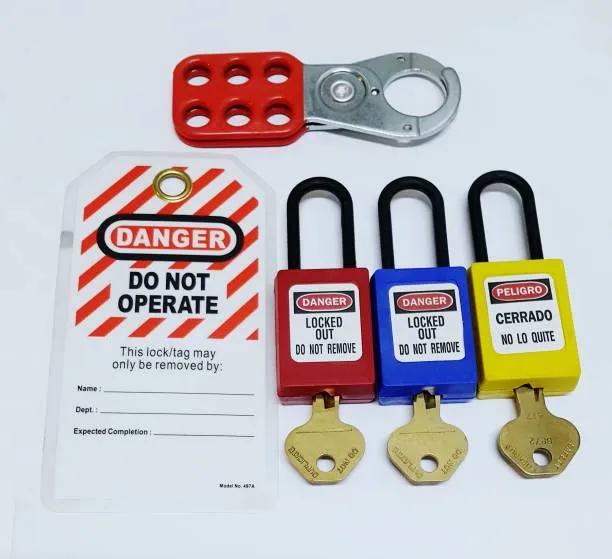
Comparative Analysis: LOTO Locks vs Standard Padlocks
When comparing lockout safety locks with standard padlocks, it’s important to understand the differences in design and functionality. The impact on workplace safety will also be discussed in detail.
Differences in design and functionality
Lockout safety locks are specifically designed with unique keyways and shapes to prevent unauthorised access, unlike standard padlocks. They also come in bright colours to increase visibility and have built-in features like shackle guards for added protection. Additionally, LOTO locks often have non-conductive properties to ensure safe usage in electrical environments.
Functionally, lockout safety locks have specific capabilities such as the ability to accommodate multiple padlocks or hasps, allowing multiple workers to secure equipment at once. Moreover, they can be integrated with lockout tagout devices for a comprehensive hazardous energy control system. These design and functional differences make LOTO locks an essential tool for workplace safety by effectively preventing accidents related to hazardous energy exposure.
Impact on workplace safety
Enhancing workplace safety, LOTO locks significantly reduce the risk of hazardous energy-related accidents. They provide a tangible barrier against unexpected machine start-ups or releases of stored energy, effectively safeguarding employees from potential harm.
By strictly adhering to LOTO procedures and utilising designated safety lockout devices, businesses proactively mitigate workplace injury risks.
Implementing LOTO locks comprehensively addresses critical safety concerns in hazardous work environments. These specialised safety measures go beyond standard padlocks by preventing unauthorised access to machinery during maintenance or servicing activities, ultimately fostering a culture of injury prevention and regulatory compliance within the workplace.
Implementing an Effective LOTO Programme
Key stakeholders, including management, supervisors, and employees, play a crucial role in implementing an effective Lockout-Tagout program. It is important to understand the significance of LOTO devices and procedures and ensure proper training and auditing for compliance with safety regulations.
Key stakeholders involved in LOTO procedures
Key stakeholders in LOTO procedures include:
- Management: Responsible for implementing and enforcing lockout-tagout procedures to ensure a safe work environment.
- Employees: Required to follow LOTO protocols and actively participate in training and auditing processes.
- Safety Officers: Tasked with overseeing the correct usage of lockout-tagout devices and ensuring compliance with OSHA standards.
- Maintenance Personnel: In charge of executing lockout-tagout procedures when servicing or repairing equipment to prevent accidental energy release.
- Contractors: Expected to adhere to the company’s lockout-tagout policies while working on-site, promoting a culture of safety and awareness.
Importance of LOTO devices and procedures
As we delve into the key stakeholders involved in LOTO procedures, it’s crucial to understand the importance of Lockout-Tagout (LOTO) devices and procedures in maintaining workplace safety.
LOTO devices play a pivotal role in preventing hazardous energy accidents by ensuring that equipment is properly shut down, isolated, and de-energised before maintenance or service work begins.
The procedures associated with LOTO devices provide a systematic approach to safeguarding employees against unexpected machine start-up or release of stored energy, thereby reducing workplace injury risks and enhancing overall safety measures.
Implementing robust LOTO devices and procedures not only complies with HSE standards but also significantly reduces workplace risk factors, making it an integral aspect of any comprehensive safety program.
Training and auditing for LOTO compliance
Training and auditing for LOTO compliance is crucial to ensure workplace safety. It involves:
- Conducting regular training sessions for employees on the proper use of lockout safety locks and procedures, including identifying hazardous energy sources and adhering to LOTO protocols.
- Implementing an auditing system to regularly assess the effectiveness of LOTO procedures, identify any non-compliance issues, and address them promptly to mitigate workplace hazards.
- Providing refresher training to employees to reinforce LOTO best practices and ensure ongoing compliance with safety regulations.
- Collaborating with safety professionals or consultants to conduct comprehensive audits of LOTO practices, identify potential gaps, and develop effective corrective measures.
- Reviewing incident reports and near – miss occurrences to continually improve the training and auditing processes for enhanced LOTO compliance.
Lockout Safety Software and Resources
We will discuss the benefits of using a LOTO software, templates and checklists for LOTO procedures, HSE checklist for LOTO compliance, and workplace safety training.
Want to learn more about how to keep your workplace safe from hazards? Keep reading!
Benefits of using a LOTO software
Using a LOTO software streamlines the lockout-tagout process, making it easier to create and manage procedures. This software helps in creating standardised lockout-tagout procedures, ensuring consistency across different work areas.
A LOTO software also simplifies training by providing easy access to instructional materials and checklists. Additionally, it facilitates auditing by maintaining a central database for all lockout-tagout activities.
Implementing a LOTO software enhances workplace safety measures by reducing the risk of human error during the locking and tagging process. It also assists in compliance with HSE standards by providing customisable templates that align with regulatory requirements.
Templates and checklists for LOTO procedures
- Standardised templates: Ready-to-use templates for lockout procedures provide a structured framework for identifying energy sources, isolating them, and attaching lockout devices.
- Comprehensive checklists: Detailed checklists guide employees through the proper steps to isolate hazardous energy, install locks, verify zero energy state, and restore equipment after maintenance.
- Customisable templates: Tailored templates allow businesses to adapt lockout procedures to various types of machinery and equipment, ensuring precise application for specific workplace hazards.
- Audit-ready documentation: Templates and checklists serve as documented proof of compliance with LOTO regulations during safety audits conducted by regulatory bodies such as OSHA.
OSHA checklist for LOTO compliance
Ensuring compliance with OSHA lockout-tagout (LOTO) standards is crucial for workplace safety. The following checklist can help your business meet the necessary requirements:
- Assess the energy sources that need to be controlled during maintenance.
- Identify and mark all isolation points for energy sources.
- Develop and implement written LOTO procedures for each piece of equipment.
- Train authorised employees on proper LOTO procedures and ensure they understand the importance of compliance.
- Periodically review and update LOTO procedures as needed to reflect changes in equipment or processes.
- Conduct regular audits to verify that LOTO procedures are being followed correctly.
Workplace safety training
The training we offer takes the form of sessions and walkthroughs for setting up your lockout system.
- On-site training programmes: Customised on-site training sessions tailored to your specific workplace hazards and safety requirements.
Conclusion
We have examined the significant differences between Lockout Safety Locks and Workplace Hazards. These strategies are designed for practicality and efficiency, offering simple yet effective ways to enhance workplace safety. Have you considered implementing these measures in your business? How can you apply these methods to prevent workplace injuries and mitigate risks?
The importance of prioritising safety cannot be overstated, and taking steps to implement these strategies can lead to substantial improvements in overall safety standards. Lockout safety locks prevail over workplace hazards, offering unparalleled safety and hazard prevention. Your organisation’s safety is a click away with WorkSafe Lockout’s top-tier lockout safety locks. Explore additional resources or seek professional guidance for further insights into enhancing workplace safety.
Sorting out lockout for your own site?
Describe what needs isolating and we'll help you work out the setup that fits.