
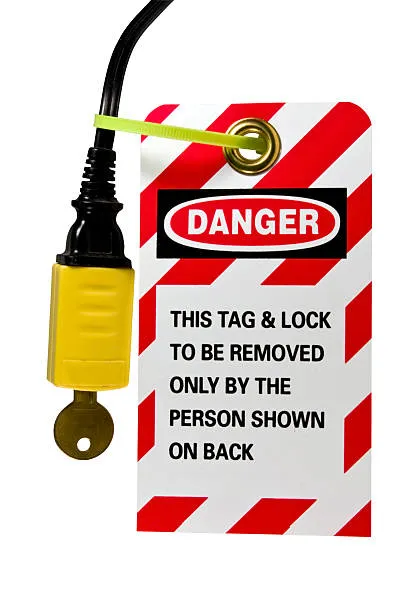
Accidents in the workplace can have devastating consequences, leading to injuries, lost productivity, and even loss of life. We understand the importance of keeping our workplaces safe, as we have encountered these risks ourselves. In fact, did you know that workplace accidents cost businesses billions of dollars every year? That’s why we’ve conducted extensive research to find a solution: lockout safety locks. In this blog post, we will explore how lockout systems can be trusted allies in accident prevention and provide you with valuable insights on implementing them effectively. Get ready to take charge of workplace safety!
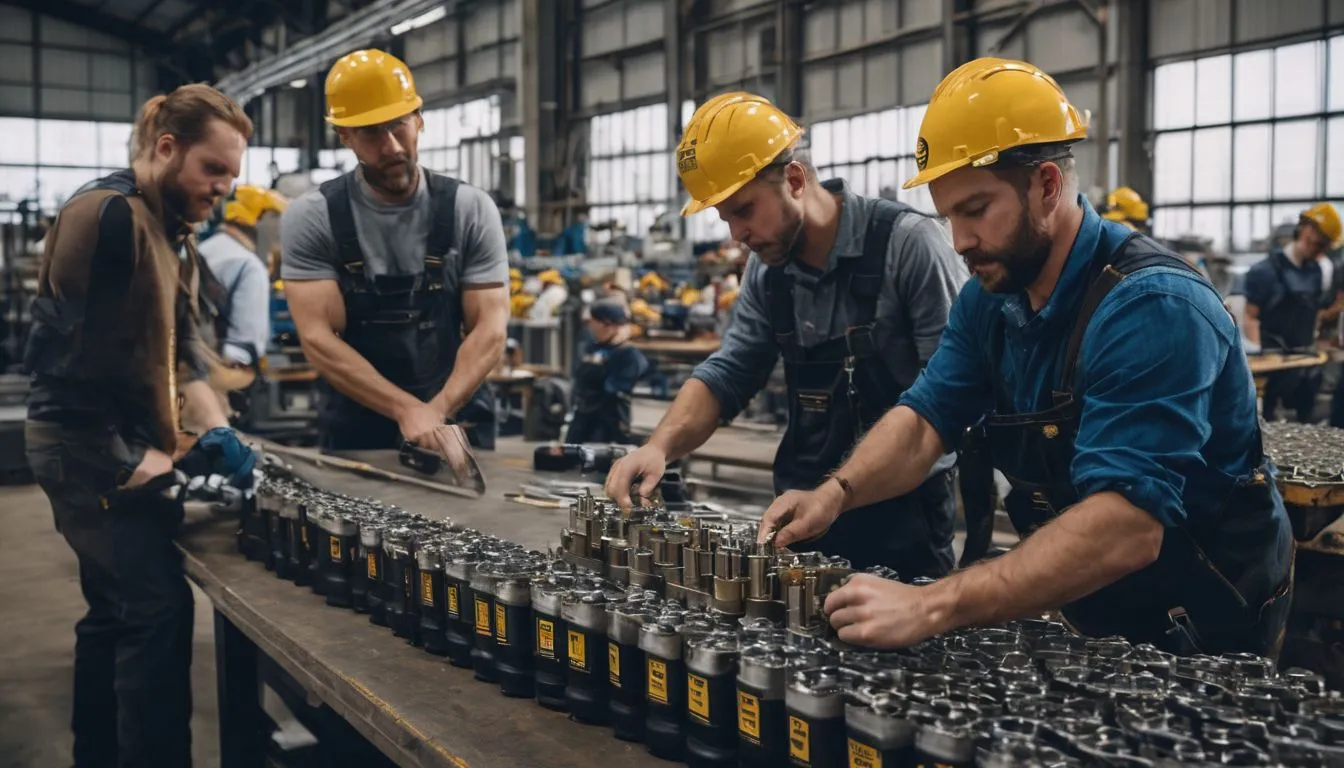
Importance of accident prevention
Preventing accidents isn’t just a legal obligation, it’s also a moral responsibility that all businesses must uphold. Lockout safety locks play a crucial role in accident prevention by keeping workplaces safer for everyone present.
They ensure equipment is properly shut down during maintenance or repair work, thereby averting potential hazards and safeguarding employees from injuries. Not only does this build a culture of safety within an organisation but it also enhances the overall productivity by reducing downtime due to accidents.
Thus, incorporating effective lockout procedures becomes indispensable in fostering accident-free environments.
Role of lockout systems in preventing accidents
Lockout systems play a pivotal role in maintaining a safe working environment. They prevent accidental start-ups of machines, thereby limiting the occurrence of workplace injuries.
These systems work by disabling the energy supply to machinery during maintenance or repairs, ensuring that no unintended operations occur. Lockout devices come in various forms such as valves, breakers and plugs that physically block the machine’s operation.
Not only do they enhance safety measures, but they also contribute substantially to adhering to health and safety regulations within workplaces across numerous industries. By implementing reliable lock-out procedures, businesses can ensure increased worker protection while mitigating potential risks associated with machinery operations.
Advantages of Lockout Systems
Lockout systems offer several advantages in accident prevention. They improve workplace safety, ensure compliance with health and safety regulations, and are cost-effective. Read on to learn more about the benefits of lockout systems in preventing accidents.
Improved safety and reduced injuries
Implementing lockout systems in the workplace leads to improved safety and reduced injuries for employees. Lockout devices and procedures are essential in preventing accidents by effectively isolating hazardous energy sources during maintenance or repair work.
By using lockout/tagout systems, businesses can ensure that equipment is properly shut down and isolated before any work is done, minimising the risk of unexpected startup or release of stored energy.
This proactive approach significantly reduces the likelihood of workplace incidents, protecting the lives and well-being of employees. With a strong focus on accident prevention, businesses can create safer workplaces where injuries are minimised, fostering a culture of safety and compliance with industry regulations.
Increased compliance with workplace health and safety regulations
Complying with workplace health and safety regulations is crucial for every business. Implementing lockout systems not only helps prevent accidents but also ensures increased compliance with these important regulations.
By using lockout devices, you show your commitment to providing a safe working environment for your employees and reducing the risk of incidents. With improved compliance, you can avoid potential penalties or fines while keeping your workplace secure and protected.
Cost-effectiveness
Implementing lockout systems in the workplace is not only a vital aspect of accident prevention but also a cost-effective strategy. By investing in quality lockout devices and procedures, businesses can significantly reduce the risk of workplace incidents and injuries.
Lockout systems ensure that hazardous energy sources are properly controlled, preventing accidents caused by unexpected equipment startup or release of stored energy. This proactive approach not only saves lives but also helps businesses avoid costly legal liabilities, workers’ compensation claims, and damage to their reputation.
Additionally, implementing comprehensive lockout programs leads to increased productivity as employees feel safer and more confident while performing their tasks. So, when it comes to protecting your employees and your bottom line, prioritising cost-effective lockout safety measures is an essential step every business owner should take.
Understanding Lockout/Tagout Procedures
In this section, we will discuss the key components of a comprehensive Lockout/Tagout (LOTO) procedure and highlight the importance of employee training in preventing LOTO accidents.
We will also delve into the top industrial safety equipment required for mining operations and provide tips on how to effectively prevent incidents during lockout procedures.
Key components of a comprehensive LOTO procedure
In our comprehensive LOTO procedure, we focus on the key components that are essential for ensuring workplace safety. First and foremost, it’s important to clearly identify all hazardous energy sources and develop machine-specific procedures for isolating them.
This includes understanding the equipment shutdown protocols and implementing proper lockout devices to prevent any inadvertent startup. Additionally, our procedure emphasises thorough employee training on LOTO procedures to ensure they understand the risks involved and can carry out the process correctly.
We also place a strong emphasis on regular inspections and audits to ensure compliance with lockout regulations and identify any areas of improvement in our program. By following these key components, we can effectively prevent accidents caused by hazardous energy release and promote a safer working environment for everyone.
Employee training on LOTO procedures
Implementing a comprehensive lockout/tagout (LOTO) procedure is crucial for workplace safety, but it’s equally important to ensure that all employees are properly trained on these procedures.
Training plays a pivotal role in preventing accidents and injuries related to hazardous energy sources. By providing thorough training to your staff, you can significantly reduce the risk of incidents caused by improper use of lockout devices or failure to follow established protocols.
Regular training sessions not only enhance employee knowledge about LOTO procedures but also promote a culture of safety at your workplace. So, be sure to invest time and resources into educating your team about the importance of LOTO and how they can effectively implement these procedures in their daily work activities.
Top industrial safety equipment required for mining operations
To ensure the safety of employees in mining operations, it is crucial to have top-quality industrial safety equipment. These essential tools help minimise workplace accidents and protect workers from potential hazards.
Some of the key safety equipment required for mining operations include personal protective equipment (PPE) such as hard hats, goggles, gloves, and high-visibility clothing. Additionally, respiratory protection devices like dust masks or respirators are vital for miners who work in environments with airborne substances.
Fall protection systems such as harnesses and lanyards are also necessary when working at heights. Furthermore, fire-resistant clothing and firefighting equipment must be readily available to safeguard against potential fire incidents in mines.
How to prevent LOTO accidents
To prevent LOTO accidents, it is crucial to prioritise employee training and awareness. Make sure that all employees are well-educated about lockout/tagout procedures and understand the importance of following them rigorously.
Regular training sessions can help reinforce safe practices and ensure that everyone is up-to-date with any changes or updates to the procedures.
In addition, conducting regular inspections and audits of your lockout systems can help identify any potential issues or shortcomings. This allows you to address them promptly before they lead to accidents or injuries.
It’s also essential to encourage open communication among employees regarding any concerns or suggestions related to lockout safety.
The Benefits of Implementing Lockout Systems in the Workplace
Implementing lockout systems in the workplace offers numerous benefits. Firstly, it improves overall safety and reduces the risk of injuries. By effectively isolating hazardous energy sources, lockout systems prevent accidents caused by unexpected equipment or machinery activation.
This not only protects the lives and well-being of employees but also minimises potential incidents that can lead to costly legal actions and compensation claims.
Additionally, implementing lockout systems increases compliance with workplace health and safety regulations. By adhering to lockout procedures, businesses demonstrate their commitment to providing a safe working environment for their employees.
This not only helps avoid penalties but also enhances the reputation of the company as a responsible employer.
Furthermore, implementing lockout systems is cost-effective in the long run. While there may be initial expenses associated with acquiring and installing lockout devices, this investment pales in comparison to the potential costs incurred from workplace accidents.
By preventing injuries and damage to equipment, businesses can save on medical expenses, repair costs, downtime due to investigations or repairs, insurance premiums hikes after claims are filed – saving both money and valuable work hours.
In essence, implementing lockout systems has clear advantages for any business looking to prioritise employee safety while ensuring compliance with regulations and minimising financial risks associated with workplace accidents
Enhancing Your Lockout Program
To enhance your lockout program, it is crucial to choose the right lockout/tagout devices and understand energy isolating devices, lockout devices, and tagout devices. Develop a comprehensive lockout policy, implement regular inspections and audits, and ensure proper training for employees.
By taking these steps, you can greatly improve workplace safety and prevent accidents from occurring. So let’s prioritise the safety of our workforce by implementing effective lockout systems in our workplaces.
Choosing the right lockout/tagout devices
To ensure the effectiveness of your lockout/tagout program, it is crucial to choose the right lockout/tagout devices. These devices play a vital role in preventing accidents by securely isolating hazardous energy sources.
When selecting these devices, consider their durability and reliability to withstand harsh industrial environments. Additionally, opt for devices that are compatible with different types of equipment and machinery in your workplace.
By choosing the right lockout/tagout devices, you can enhance worker safety and prevent potential incidents or injuries from occurring in your workplace.
Understanding energy isolating devices, lockout devices, and tagout devices
Energy isolating devices, lockout devices, and tagout devices are essential components of a comprehensive lockout/tagout (LOTO) procedure. These mechanisms play a crucial role in preventing accidents and ensuring the safety of employees in the workplace.
Energy isolating devices are used to physically disconnect machines or equipment from their energy sources, effectively eliminating any potential hazardous energy release. Lockout devices, such as safety locks and hasps, provide a secure way to immobilise these energy-isolating devices.
Additionally, tagout devices like tags and signs serve as visual indicators that machinery or equipment is undergoing maintenance or repair.
By understanding how energy isolating devices work alongside lockout and tagout systems in unison with other LOTO procedures, businesses can establish effective measures for controlling hazardous energy sources.
This not only safeguards employees’ lives but also reduces the risk of incidents due to unexpected energization or startup of machinery during servicing or maintenance tasks. Prioritising training on LOTO procedures ensures all staff comprehend the correct usage of these vital tools when implementing equipment shutdown protocols and machine-specific procedures.
Developing a lockout policy
To ensure the effectiveness of your lockout program, it is essential to develop a comprehensive lockout policy. This policy serves as a set of guidelines and procedures that outline how lockout/tagout should be implemented in your workplace.
By developing and enforcing a lockout policy, you can establish clear expectations for employees when it comes to preventing accidents and injuries caused by hazardous energy sources.
It allows you to clearly define roles and responsibilities, specify the steps involved in locking out equipment or machinery, and emphasise the importance of proper training and communication.
Implementing regular inspections and audits
Regular inspections and audits are essential for maintaining a safe workplace. By consistently evaluating Locksafe's lockout systems and procedures, we can identify any potential issues or areas for improvement.
Inspections allow us to ensure that all devices are working properly, equipment is correctly locked out, and employees are following safety protocols. Similarly, audits help us assess the overall effectiveness of Locksafe's lockout program and identify any gaps in training or compliance.
With regular inspections and audits, we can proactively address any concerns and ensure the ongoing safety of our employees.
Ensuring proper training for employees
We believe that ensuring proper training for employees is crucial in maintaining a safe work environment. By providing comprehensive training on lockout/tagout procedures, employees will be equipped with the knowledge and skills to effectively use safety locks and prevent accidents.
Training should cover key components of lockout procedures, such as understanding energy isolating devices, lockout devices, and tagout devices. Regular inspections and audits should also be implemented to ensure compliance with safety protocols.
Our goal is to empower your workforce with the necessary tools to protect themselves and their colleagues from workplace incidents.
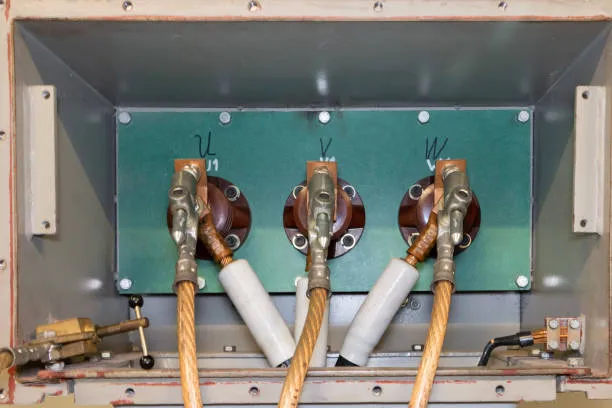
Conclusion
Implementing lockout safety locks in the workplace is crucial for accident prevention and ensuring the well-being of employees. By utilising lockout/tagout procedures, choosing the right devices, and providing proper training, workplaces can significantly reduce injuries and comply with health and safety regulations.
With enhanced communication, documentation, and regular inspections, businesses can create a safer environment that prioritises employee safety above all else. Remember to always adhere to food safety guidelines as an additional measure of protection. As trusted allies in accident prevention, lockout safety locks are indispensable. Reach out to Worksafe Lockouts for lockout safety solutions tailored for your business.
Lockout safety as a crucial aspect of EHS management
Lockout safety is a crucial aspect of EHS management for businesses. Implementing effective lockout procedures ensures the safety and well-being of employees by preventing accidents and injuries in the workplace.
By using lockout systems, businesses can effectively control hazardous energy sources, such as machines or equipment, reducing the risk of incidents and creating safer workplaces. It is vital for business owners to prioritise lockout safety as part of their overall EHS management strategy to protect lives and promote a culture of workplace safety.
Importance of communication and documentation in LOTO procedures
Effective communication and documentation play a crucial role in lockout/tagout (LOTO) procedures. By clearly communicating the steps and requirements of the procedure, employees can better understand the process and follow it accurately.
This helps prevent accidents and injuries that may occur due to miscommunication or misunderstanding. Additionally, proper documentation ensures that there is a record of each step taken during the LOTO procedure, providing valuable information for future reference and ensuring accountability.
Clear communication and thorough documentation are essential elements in creating a safe work environment.
Utilising lockout tagout software for improved efficiency
Implementing lockout tagout software is a smart move for business owners looking to enhance workplace safety and efficiency. This software streamlines the lockout process, providing an organised system for documenting procedures and tracking equipment maintenance.
With the use of this software, employees can easily access and update lockout/tagout information, reducing the risk of human error. By investing in lockout tagout software, businesses can ensure that their safety protocols are followed consistently and efficiently, ultimately leading to improved overall productivity and peace of mind.
Recommended lockout tagout templates and checklists
We highly recommend using lockout tagout templates and checklists to streamline your safety procedures and ensure consistent compliance with lockout/tagout regulations. These resources serve as valuable tools for documenting and organising important information related to hazardous energy control measures in the workplace.
By implementing these templates and checklists, you can easily identify potential hazards, establish clear procedures for isolating energy sources, and effectively communicate critical instructions to employees.
This proactive approach not only eliminates confusion but also minimises the risk of accidents or incidents caused by unexpected release of stored energy. Don’t forget that proper communication is key in maintaining a safe workplace environment, so make sure to regularly update these documents as needed and provide comprehensive training to all employees involved.
In addition, utilising lockout tagout software can further enhance efficiency by automating processes such as template creation, data entry, and record-keeping. With this technology at your disposal, you can streamline your lockout/tagout program while ensuring accuracy and consistency across various documentation.
Always adhere to food safety guidelines.
We, as business owners, must always adhere to food safety guidelines. Following these guidelines is crucial in ensuring the health and well-being of our customers and employees. By strictly adhering to these standards, we can prevent foodborne illnesses and maintain a positive reputation for our business.
This means proper storage, handling, and preparation of food items, maintaining clean working environments, implementing temperature controls, practising good hygiene habits, and regularly training our staff on proper food safety protocols.
Let’s prioritise the safety of everyone involved by consistently following these important guidelines.
Sorting out lockout for your own site?
Describe what needs isolating and we'll help you work out the setup that fits.