


Year in, year out, we hear about too many workplace mishaps resulting from a bit of oversight with lockout/tagout routines. Just like you lot, we’ve been clued into the serious side effects of skimping on this critical safety measure and have gone to great lengths researching ways to nip these issues in the bud.
Our guide is chockers with useful nuggets that’ll help you put some top-notch lockout safety locks in place, locks that’ll keep your crew clear of harm’s way. Ready to make your workspace a fair dinkum safer spot? Have a squiz at what we’ve rustled up for you!
Understanding the Importance of Lockout/Tagout in Workplace Safety

As we manage businesses, our workers’ safety always takes centre stage. Lockout/tagout procedures are crucial in safeguarding employees from unexpected energisation or startup of machinery and equipment during maintenance activities.
Think of these protocols as a series of steps that effectively seal off hazardous energy sources, providing a form of insurance against electrical hazards and other workplace dangers.
It’s about putting control into the hands of those on the front lines, our valued team members. Employing lockout safety locks is not just an operational requirement; it’s an ethical obligation to ensure every single person returns home unharmed each day.
Keeping all forms of harmful energy securely isolated means accidents are prevented before they happen, maintaining an uninterrupted focus on productivity and peace of mind for everyone involved.
Moving forward let’s delve deeper into how lockout systems become pivotal in averting mishaps on the job.
The Role of Lockout Systems in Accident Prevention

Lockout systems play a crucial role in preventing workplace accidents by ensuring that energy sources are de-energised during maintenance activities. Compliance with health and safety regulations is essential, and lockout systems provide the necessary safeguards to protect employees from potential hazards.
Compliance with Workplace Health and Safety Regulations

Meeting workplace health and safety regulations is not just a legal requirement; it’s a crucial step in fostering a safe environment for our employees. We ensure our lockout/tagout procedures are compliant with the latest standards, which helps us prevent incidents related to unexpected energisation or startup of machinery and equipment during maintenance activities.
Regular audits of our safety processes keep us up-to-date with any changes in legislation, allowing us to protect our team from electrical hazards and other workplace dangers effectively.
Our commitment to adhering to these regulations also demonstrates our dedication to promoting employee well-being. By using lockout systems, we mitigate energy hazards, manage risks more efficiently, and maintain an accident-free work area.
Our proactive approach reassures employees that their protection is always a top priority, leading to increased staff confidence in their workplace safety measures. This not only cultivates trust but also enhances productivity as everyone can focus on their tasks without fear of injury due to energy sources suddenly becoming reenergised.
Benefits of Using Lockout Systems in the Workplace

- Lockout systems prevent accidental energisation: Preventing the accidental start-up of machinery can be the difference between safety and disaster. Lockout safety locks ensure that equipment stays deenergised until maintenance work is safely completed.
- Employee peace of mind: Knowing that a robust system is in place to protect them from workplace hazards provides employees with confidence. This peace of mind boosts morale and productivity as workers feel secure and valued.
- Direct reduction in workplace injuries: The primary goal of lockout/tagout procedures is injury prevention. Implementing these systems leads to a direct drop in incidents related to electrical safety or the release of stored energy.
- Streamlined maintenance processes: With clear protocols, maintenance becomes more efficient. Workers spend less time worrying about energy hazard mitigation and more on the task at hand, saving valuable company time.
- Enhanced reputation for worker safety: A commitment to occupational safety via quality lockout/tagout systems elevates your company’s standing. This dedication often translates into an attractive trait for both current and prospective employees.
- Avoidance of costly penalties: Failing to meet safety regulations can result in hefty fines. By employing lock system measures, we not only protect our workforce but also keep our operations within legal frameworks, avoiding unnecessary expenditure on violations.
Reflective Measures for Utilising Lockout Safety Locks Efficiently

We know the significance of lockout safety locks in maintaining a safe work environment. To use these devices effectively, we must regularly check and maintain them. Each lock should be inspected for signs of wear or damage which could compromise its function.
This proactive approach ensures that our lockout equipment is reliable when it’s most needed.
We also train our teams to understand different types of energy sources and the appropriate locks to use. It’s crucial that they can identify electrical hazards and know how to de-energise equipment safely before starting maintenance activities.
Familiarising ourselves with updated safety measures plays a key role in keeping everyone protected from workplace hazards.
Regular audits of our lockout procedures help us stay on top of potential risks, allowing necessary adjustments before any issues arise. We commit ourselves to strive for excellence in industrial accident prevention by adhering strictly to occupational safety guidelines.
Our goal remains steadfast: providing a secure workspace where employee wellbeing is never put at risk due to inadequate safety practices.
Components of a Comprehensive Lockout/Tagout Procedure

Training employees on lockout/tagout procedures is essential for ensuring workplace safety and compliance with regulations. Click to learn more about the key steps in implementing a comprehensive lockout/tagout procedure.
Training Employees on Lockout/Tagout Procedures

Ensuring our employees are well-versed in lockout/tagout procedures isn’t just a good practice; it’s essential for their safety. We have to equip our team with the knowledge and skills to handle hazardous energy sources correctly during maintenance activities.
- Begin with a comprehensive orientation that introduces new hires to workplace safety culture and the critical role of lockout/tagout systems.
- Conduct regular workshops that offer hands – on experience with actual safety locks and devices, providing a practical understanding of how they function.
- Incorporate scenario-based training sessions that simulate real-life situations, helping staff master the steps to safely deenergize equipment.
- Offer refresher courses to keep everyone up-to-date on any changes in safety regulations or updates in company policies regarding hazard prevention.
- Utilize visual aids such as instructional videos, detailed diagrams, and step-by-step guides to reinforce learning points.
- Implement competency assessments at the end of training programs to ensure that all personnel can effectively apply lockout/tagout procedures.
The Advantages of Lockout/Tagout Systems

Utilising lockout/tagout systems in the workplace leads to improved safety and reduced injuries, increased compliance with health and safety regulations, and cost-effective accident prevention.
Improved Safety and Reduced Injuries

Lockout safety locks are our line of defence against unexpected energisation or the release of hazardous energy during service and maintenance activities. They literally save limbs and lives by ensuring machines remain deenergised until work is safely completed.
By properly implementing lockout/tagout procedures, we’re not just following regulations; we’re creating a safer workspace where injuries plummet. Think about it, no more frightening accidents from electrical, mechanical, chemical, or thermal surprises.
We’ve seen firsthand how rigorous use of these systems drastically reduces mishaps that lead to downtime, costly medical expenses, and emotional distress for everyone involved. It’s clear-cut: better safety leads to confident employees who can focus on their tasks without the overhanging fear of workplace hazards.
Let’s keep moving towards an environment where each worker ends their shift as healthy as when they started. Our commitment to robust lockout/tagout practices is firm because employee protection isn’t just good business, it’s non-negotiable for us all.
Increased Compliance with Health and Safety Regulations

We understand the gravity of maintaining safe work environments, and that’s why lockout/tagout systems are non-negotiable in our practices. They ensure that every machine is properly de-energised before maintenance kicks off, safeguarding against unintended energisation.
Implementing these safety measures not only protects our employees from electrical hazards but also keeps us aligned with health and safety regulations.
Maintaining a great track record of compliance does more than just keep regulatory bodies satisfied; it fosters an atmosphere where employee wellbeing is paramount. With each lockout safety procedure we meticulously follow, trust is built within our team.
This trust translates into a confident workforce, knowing their protection against workplace hazards is always prioritised by adhering to strict occupational safety standards.
Cost-Effective Accident Prevention

Implementing lockout/tagout systems for accident prevention is a cost-effective approach to ensuring workplace safety. By utilising these safety locks, businesses can significantly reduce the risk of accidents and injuries associated with energy hazards during maintenance activities.
This proactive measure not only safeguards employee wellbeing but also minimises potential expenses related to workplace incidents. By focusing on cost-effective accident prevention through lockout/tagout procedures, businesses can create a safer work environment while also saving on costs associated with worker injuries and downtime.
Opting for lockout/tagout systems offers an efficient strategy for mitigating occupational hazards at relatively low costs compared to the potential financial implications of workplace accidents.
Benefits of Using Lockout/Tagout Stations in the Workplace
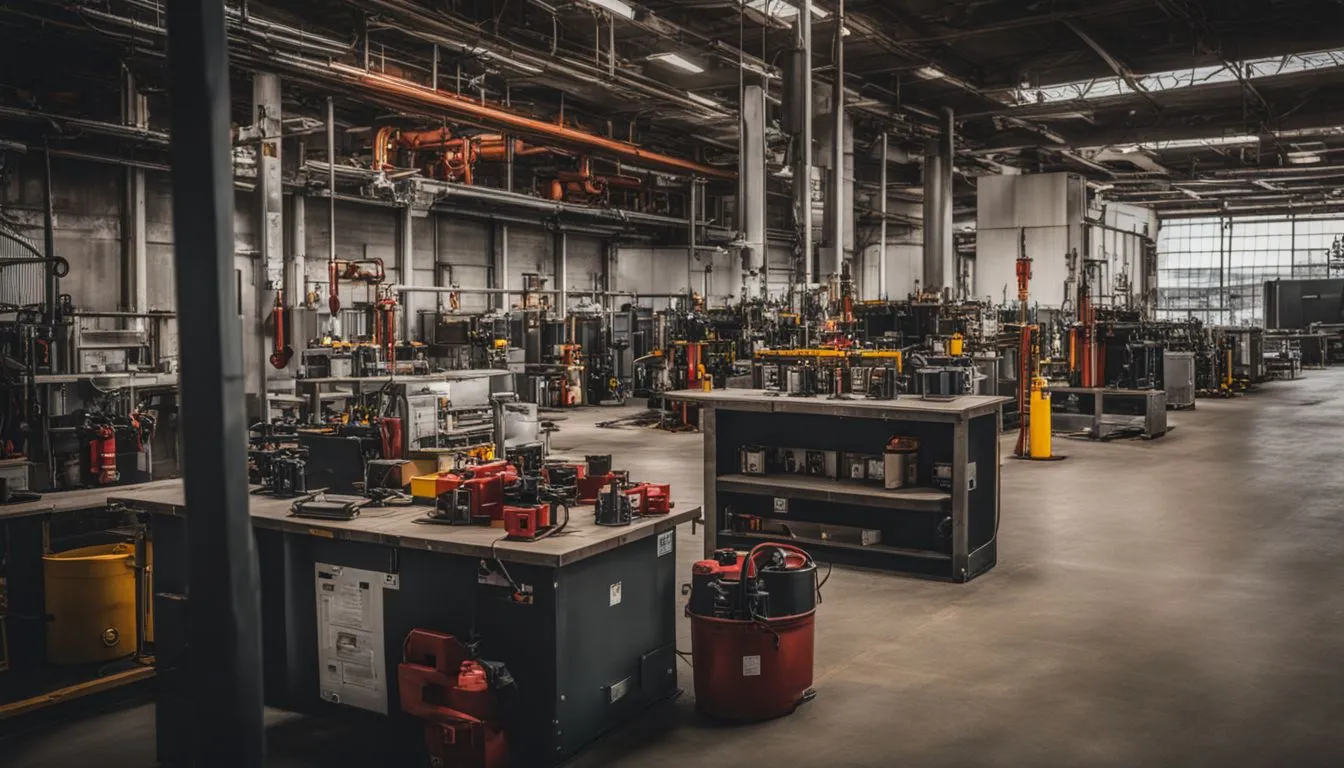
Utilising lockout/tagout stations in the workplace provides a convenient storage solution for lockout products and ensures that proper procedures are carried out efficiently. Discover how these stations can improve safety measures and reduce workplace hazards by reading further.
Convenient Storage Solution for Lockout Products

Lockout/tagout stations provide a convenient storage solution for all lockout products, ensuring that essential safety equipment is easily accessible when needed. These stations are strategically designed to hold padlocks, tags, hasps, and other necessary devices in one central location.
By having a designated area for storing lockout/tagout tools and accessories, businesses can maintain organisation and efficiency in their safety procedures.
Implementing lockout/tagout stations streamlines the process of accessing safety locks and equipment when performing maintenance or repair work. This proactive approach promotes workplace safety by making it easier for employees to comply with lockout procedures and access the necessary tools without delay.
How Lockout/Tagout Procedures Are Carried Out

We carry out lockout/tagout procedures by following these steps:
- Identify all energy sources that need to be controlled.
- Notify affected employees and explain the reason for the energy control.
- Shut down the equipment using appropriate procedures.
- Isolate energy sources by disconnecting or blocking them.
- Apply lockout/tagout devices to each energy isolation point.
- Verify that all energy sources are de – energised before starting work.
- Test equipment to ensure it cannot be restarted accidentally.
- Remove locks/tagouts only after completing maintenance or service tasks.
- Train employees on how to properly perform lockout/tagout procedures and handle related devices.
Conclusion and Key Takeaways

In conclusion, the article has outlined the importance of lockout/tagout procedures and the benefits of using lockout safety locks in the workplace. The practical strategies discussed emphasise efficiency and ease of implementation to ensure improved safety for employees.
How can you integrate these strategies into your workplace? Consider conducting regular training sessions to educate your staff on effective lockout/tagout procedures. By doing so, you can reduce workplace hazards and prevent industrial accidents while enhancing overall employee wellbeing.
Why not explore additional resources or consult with professionals to further enhance your understanding and application of these safety measures? Remember, prioritising safety is key to creating a secure work environment for everyone involved.
For a deeper understanding on how to implement these safety measures properly, be sure to read our comprehensive guide on reflective measures for utilising lockout safety locks efficiently.
Sorting out lockout for your own site?
Describe what needs isolating and we'll help you work out the setup that fits.