
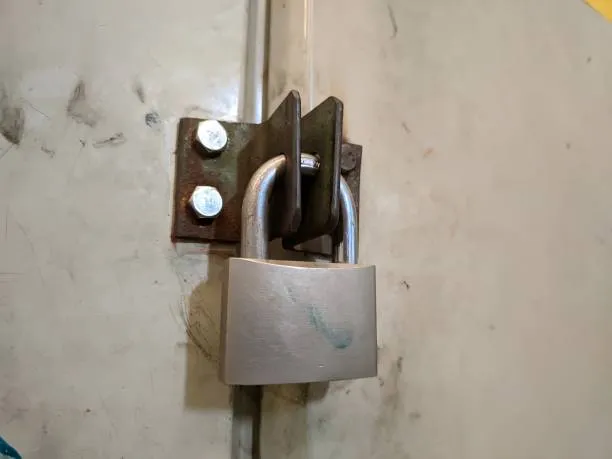
G’day mate, industrial accidents are a real bugbear – they’re not just devastating but can cost lives, time and money. We get it; here in Australia alone, over half a million cheeky injuries crop up annually at work – many from mishandling machines or equipment.
Implementing lockout/tagout (LOTO) procedures and using safety locks can put the brakes on these risks big time.
The Importance of Accident Prevention
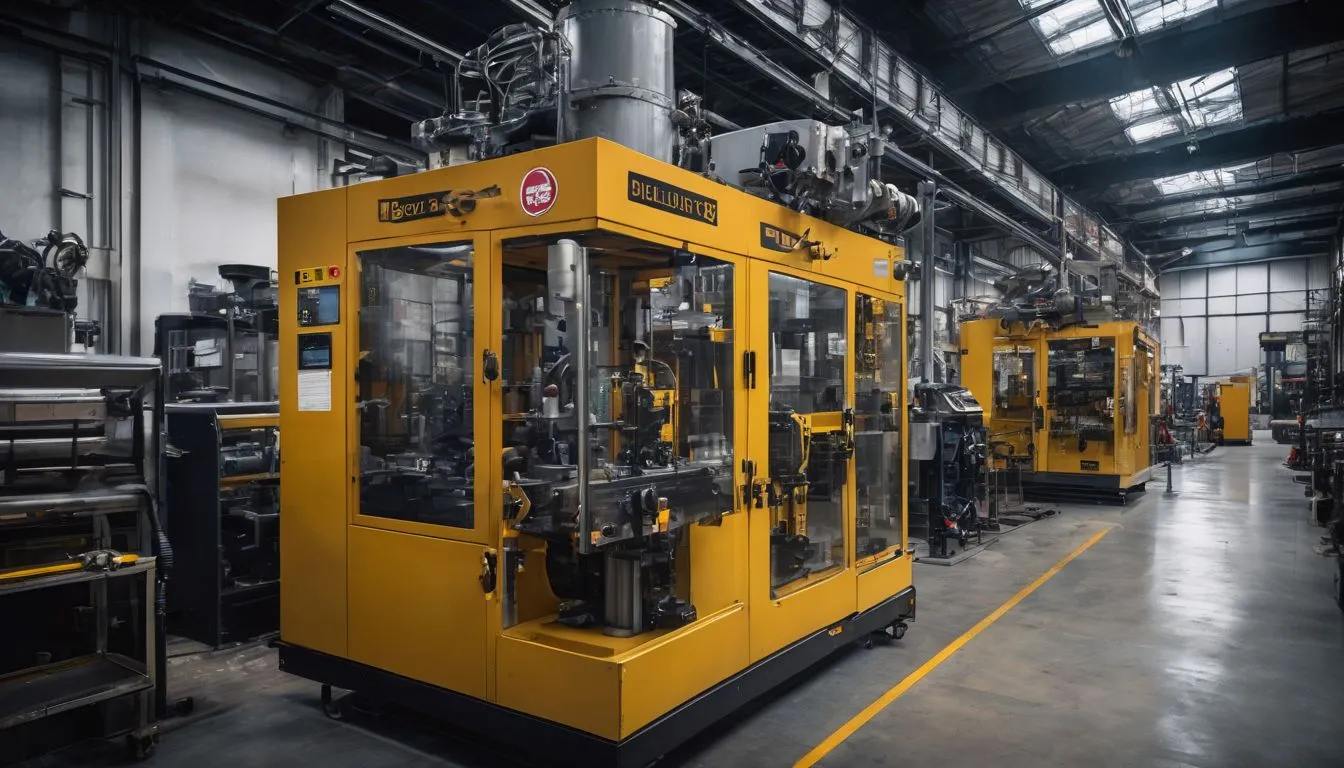
Accident prevention is crucial for businesses as it helps reduce injuries, ensures compliance with health and safety regulations, and proves to be a cost-effective measure.
Reduced injuries
Employing lockout/tagout procedures significantly cuts down on workplace injuries. A myriad of accidents, caused by the unexpected activation of machinery or discharge of energy during service and maintenance operations, can be avoided.
This greatly helps in creating a safer environment for employees, as these systems neutralise hazardous energy sources before any work is initiated around them. No Business Owner wants their staff to face injury risks while performing their duties; therefore, implementing robust safety measures like lockout/tagout will undoubtedly help reduce such incidents drastically.
Thus with an improved culture of safety at work brought about by reduced injuries, we can enhance productivity and keep employee morale high.
Compliance with health and safety regulations
Ensuring compliance with health and safety regulations is vital for every business. It not only helps prevent workplace injuries but also protects your employees and the overall well-being of your organisation.
As a responsible business owner, it is important to prioritise safety by implementing effective measures such as lockout/tagout procedures. These procedures help control hazardous energy sources, such as electrical circuits, ensuring that equipment is properly shut down before maintenance or repairs are performed.
By adhering to lockout/tagout guidelines, you can significantly reduce the risk of workplace accidents caused by unexpected energization or startup of machinery. This not only promotes a safe work environment but also demonstrates your commitment to meeting OSHA regulations.
Cost-effective measures
Implementing lockout/tagout procedures in your workplace is not only crucial for the safety of your employees but also a cost-effective measure in preventing accidents. By properly controlling hazardous energy sources, such as electrical circuits and equipment, you can significantly reduce the risk of workplace injuries and costly damage to machinery.
Investing in lockout safety locks and devices ensures that your workers are protected from unexpected energization while performing maintenance or repairs. This proactive approach not only saves money on potential legal fines for non-compliance with regulations but also prevents productivity losses due to work-related incidents.
Prioritising cost-effective measures like lockout/tagout systems demonstrates your commitment to maintaining a safe and efficient workplace environment.
Understanding Lockout/Tagout Procedures
Lockout/Tagout procedures are a vital part of industrial safety, helping to prevent accidents by effectively controlling hazardous energy sources.
Definition and purpose
Lockout/tagout procedures are an essential part of maintaining workplace safety. These procedures involve the use of lockout safety locks to prevent accidents and injuries caused by hazardous energy sources in machinery and equipment.
The purpose of lockout/tagout is to effectively isolate electrical circuits, control valves, or other key components to ensure that they cannot be energised during maintenance or repairs.
By using lockout devices such as padlocks and tagouts, businesses can protect their employees from unexpected startup or release of stored energy, reducing the risk of workplace injuries and ensuring compliance with occupational health and safety regulations.
How it works
Lockout/tagout procedures are a crucial part of ensuring workplace safety and preventing accidents. So, how does it work? It begins by identifying the hazardous energy sources in your workplace, such as electrical circuits or equipment that requires maintenance.
Then, you implement lockout devices like padlocks to secure these energy sources, effectively disabling them during maintenance or repair work. Additionally, tagout labels provide important information about the lockout devices being used and communicate when it is safe to proceed with tasks.
By following proper lockout/tagout procedures, you create a protective barrier between workers and potentially dangerous machinery or equipment.
Implementing an effective lockout/tagout system involves clear guidelines and training for employees. Everyone needs to understand why it’s essential and how to follow the procedures correctly.
This includes isolating all sources of hazardous energy before starting any maintenance activities and verifying that they have been properly shut down using approved testing methods.
Key components
To effectively implement a lockout/tagout procedure, there are key components that must be in place. Firstly, you need a comprehensive safety plan that outlines the steps for locking and tagging equipment to prevent accidents.
This plan should address all hazardous energy sources, such as electrical circuits or machinery maintenance. Secondly, investing in high-quality lockout devices like padlocks is crucial for securing equipment during lockout procedures.
These locks provide clear visibility and ensure that no one can operate the machinery while it’s being serviced. Lastly, proper training for employees on lockout/tagout guidelines is essential to ensure everyone understands their role in maintaining workplace safety.
Benefits of Lockout/Tagout Systems
Lockout/tagout systems offer numerous benefits. They improve safety by effectively controlling hazardous energy sources. Compliance with regulations is increased, ensuring a safer work environment.
And most importantly, these systems are cost-effective measures to prevent workplace injuries.
Improved safety
Ensuring the safety of your employees is paramount in any workplace. By implementing lockout/tagout systems, you can significantly improve safety in your facility. These systems are designed to prevent accidents by effectively controlling hazardous energy sources and securing equipment during maintenance or repairs.
With the use of lockout devices, such as padlocks, and clear tagout procedures, you can minimise the risk of workplace injuries caused by unexpected startup of machinery or electrical circuits.
By following lockout/tagout guidelines and regulations, you create a safer environment for everyone on your team.
Increased compliance
We understand the importance of complying with health and safety regulations in your workplace. Increased compliance not only helps to create a safer environment for your employees but also protects you from potential legal and financial consequences.
By implementing lockout/tagout systems, you demonstrate your commitment to ensuring the well-being of your workforce and preventing accidents caused by hazardous energy sources. These systems provide clear guidelines on how to safely isolate and control electrical circuits or equipment during maintenance or repairs.
With increased compliance, you can confidently know that you are taking proactive measures to prevent workplace injuries and maintain a safe working environment for everyone involved.
When it comes to lockout/tagout procedures, there is no room for compromise. Safety is paramount, which is why we offer comprehensive solutions tailored to meet your specific needs.
Locksafe's lockout safety locks are designed with durability and effectiveness in mind, making them essential tools in accident prevention. By using their reliable lockout devices such as padlocks and tagouts, you can effectively protect workers from unexpected releases of hazardous energy while machinery maintenance is being carried out according to the established safety plan.
Cost-effectiveness
Implementing lockout/tagout systems in the workplace is not only crucial for ensuring safety but also cost-effective. By investing in effective lockout safety locks and training employees on proper procedures, businesses can significantly reduce workplace injuries and related costs.
When hazardous energy sources are controlled through lockout devices, the risk of accidents caused by unexpected equipment start-up or release of stored energy is minimised. This not only protects workers from harm but also saves businesses from potential legal liabilities and medical expenses.
Additionally, with fewer injuries to handle, companies experience less downtime due to accidents, resulting in increased productivity and profitability. Ultimately, prioritising cost-effective lockout/tagout programs helps create a safe work environment while optimising business performance.
Implementing Lockout/Tagout in the Workplace
When implementing Lockout/Tagout in the workplace, it is crucial to establish comprehensive lockout/tagout procedures, provide proper training for employees, and ensure the availability of necessary industrial safety equipment.
Comprehensive lockout/tagout procedures
To ensure the safety of your employees and prevent workplace accidents, it is crucial to have comprehensive lockout/tagout procedures in place. These procedures involve effectively isolating energy sources from machinery and equipment before maintenance or repairs are conducted.
By following these guidelines, you can minimise the risks associated with hazardous energy sources such as electrical circuits. Implementing thorough lockout/tagout procedures not only protects your workers but also helps you comply with occupational health and safety regulations.
With a well-defined safety plan in place, you can safeguard your employees from workplace injuries while ensuring smooth machinery maintenance operations.
Training employees
We understand the importance of properly training employees in lockout/tagout procedures to ensure workplace safety. Our comprehensive training programs cover all aspects of hazardous energy control, including lockout and tagout techniques for electrical circuits and equipment.
By providing your employees with this crucial knowledge, you can significantly reduce the risk of workplace injuries and accidents.
Our training sessions emphasise the proper use of lockout devices such as padlocks and tags, as well as the importance of following a safety plan. They also educate employees on how to effectively implement maintenance safety measures when working with machinery.
Required industrial safety equipment
To ensure a safe working environment, it is crucial to have the necessary industrial safety equipment in place. This includes protective gear such as helmets, gloves, goggles, and earplugs.
Additionally, fire extinguishers and first aid kits should be easily accessible throughout the workplace. Safety signs and labels are also essential for providing clear instructions and warnings to employees.
By having all these required safety equipment readily available, we can minimise the risk of accidents and protect both our workers and our business.
Locksafe: Your Partner in Lockout/Tagout
Locksafe is committed to being your trusted partner in lockout/tagout procedures. We offer a wide range of services and products, all designed to enhance workplace safety.
Our team understands the importance of safety training and can provide the necessary guidance to implement effective lockout/tagout programs. With Locksafe by your side, you can have peace of mind knowing that your employees are better protected from hazardous energy sources.
Services and products offered
At Locksafe, they offer a wide range of services and products to assist you in implementing effective lockout/tagout procedures. Our team of experts can provide comprehensive safety training for your employees, ensuring they understand the importance of following proper protocols.
We also supply high-quality lockout devices, including padlocks and tagout safety equipment, designed to securely control hazardous energy sources. With our assistance, you can develop a customised safety plan that protects your workers from potential accidents.
Trust us as your partner in lockout/tagout – together we can create a safer workplace environment.
Compliance with OSHA standards
Ensuring compliance with OSHA standards is essential for any business owner. By adhering to these regulations, you are not only keeping your employees safe but also avoiding costly fines and penalties.
Implementing lockout/tagout procedures is one way to meet these standards. This involves effectively controlling hazardous energy sources, such as electrical circuits, during maintenance or repair work on equipment.
By following the guidelines set by OSHA and using proper lockout devices, you can create a safer workplace environment and minimise the risk of accidents or injuries caused by unexpected energization of machinery.
Importance of safety training
Safety training is essential in any workplace to ensure the well-being of employees and prevent accidents. It plays a crucial role in promoting a culture of safety and awareness among workers.
By providing proper safety training, businesses can substantially reduce the risk of injuries and create a safer working environment. This not only protects employees but also helps companies comply with health and safety regulations.
Moreover, investing in safety training is a cost-effective measure as it minimises downtime caused by accidents or injuries. At Locksafe, they understand the importance of safety training and offer comprehensive programs to equip your employees with the knowledge they need to stay safe on the job.
Conclusion
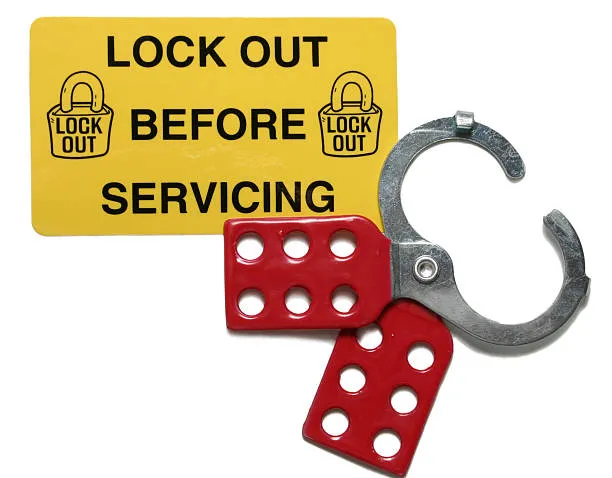
Lockout safety locks are essential in preventing industrial accidents. By implementing proper lockout/tagout procedures and providing training to employees, businesses can ensure improved safety, increased compliance with regulations, and ultimately reduce workplace injuries.
Locksafe is here to support you with a wide range of lockout/tagout services and products. Ensure the protection of your workforce by prioritising workplace safety through effective lockout systems. Lockout safety locks have proven fundamental in accident prevention. Contact Worksafe Lockouts; the right partner in safeguarding your operations.
Sorting out lockout for your own site?
Describe what needs isolating and we'll help you work out the setup that fits.