

Keeping your workspace shipshape and safe from hazards is an ongoing task that needs a fair amount of vigilance, particularly when hazardous energy control comes into play. We know firsthand how complex yet vital it is to stick by LOTO standards – after all, in 2019 by itself, failing to comply with Lockout/Tagout (LOTO) was pegged as the fifth most common violation by OSHA.
This blog has been carefully put together using accurate research and aims to give you the nuts and bolts about lockout safety locks ensuring LOTO compliance at your workplace. Keep reading if prioritising safety in the workplace is your cup of tea too!
Understanding LOTO: What it is and Why it is Important
LOTO, or Lockout/Tagout, is a crucial safety procedure that helps protect employees from hazardous energy during equipment maintenance or servicing. It involves isolating and locking out energy sources to prevent accidental startup of machinery, helping avoid potential accidents and injuries.
Understanding LOTO and its importance is essential for maintaining a safe workplace environment.
Definition of LOTO
LOTO stands for Lockout/Tagout. It is a safety procedure that protects employees from hazardous energy during service and maintenance activities on machines or equipment. In practical terms, LOTO refers to the process of shutting off machinery, isolating it from its power source, and securing it with a lock or tag.
This measure ensures that the equipment cannot be accidentally reenergized until work is complete and all personnel are safe. Both locks (Lockout) and warning tags (Tagout) play crucial roles in this system.
The aim of implementing LOTO procedures in your workplace comes down to prioritising the prevention of accidents by hazardous energy release – underscoring our commitment to making health and safety a number one priority for workers at all times.
Importance of LOTO for workplace safety
In a workplace where hazardous energy is present, implementing a Lockout/Tagout (LOTO) procedure is essential for ensuring the safety of employees. LOTO involves isolating and locking down equipment to prevent accidental startup or release of stored energy during maintenance or repair work.
By effectively implementing LOTO procedures, businesses can protect their workers from potentially life-threatening accidents caused by unexpected machine activation. This not only reduces the risk of injuries but also helps in compliance with Australian safety standards and regulations surrounding LOTO practices.
Making LOTO an integral part of workplace safety procedures demonstrates a commitment to employee well-being and creates a safer working environment overall.
Compliance with LOTO Standards
To comply with LOTO standards in Australia, businesses must adhere to specific guidelines and regulations to ensure the safety of their employees and prevent accidents related to hazardous energy.
Australian standards for LOTO
We must adhere to the Australian standards for Lockout/Tagout (LOTO) procedures in order to ensure a safe and compliant workplace. These standards provide guidelines and requirements for effectively isolating energy sources, protecting workers from hazardous energy, and preventing unexpected equipment startup.
By following these standards, we can minimise the risk of accidents and injuries caused by uncontrolled energy release during maintenance or servicing activities. It is crucial that we stay up-to-date with the latest LOTO regulations to maintain a safe work environment for everyone involved.
How to comply with LOTO standards
To comply with LOTO standards, it is essential to follow a few key steps. First, conduct a thorough assessment of all equipment and identify any potential sources of hazardous energy.
Next, develop and implement a comprehensive lockout/tagout procedure that includes proper preparation, shutdown, isolation, and the use of appropriate lockout devices. It is crucial to train employees on these procedures regularly and ensure compliance through regular inspections and enforcement efforts.
By following these steps, you can create a safer workplace environment by effectively controlling hazardous energy risks.
Key Components of a Comprehensive LOTO Procedure
The key components of a comprehensive LOTO procedure include preparation, shut down, isolation, lockout/tagout, stored energy check, isolation verification, and re-energizing equipment.
Each step is crucial to ensuring the safe operation and maintenance of equipment in the workplace.
Preparation
To ensure a safe and compliant workplace, proper preparation is essential when it comes to lockout/tagout (LOTO) procedures. This involves identifying all the energy sources in your equipment or machinery and developing a comprehensive plan to isolate them effectively.
By conducting a thorough assessment of your workplace, you can determine the potential hazards associated with each piece of equipment and implement the necessary steps to mitigate those risks.
Taking the time to prepare properly will help ensure that everyone understands their roles and responsibilities during LOTO procedures, minimising accidents and promoting a safer work environment for all.
Shut down
To ensure a LOTO compliant workplace, it is crucial to properly shut down equipment before conducting any maintenance or repair work. This involves turning off the power supply and stopping all moving parts.
Shutting down equipment eliminates the risk of accidental energization or unexpected starts while work is being done. It is important to follow specific shutdown procedures outlined in your LOTO program and make sure employees are trained on how to safely shut down equipment.
By doing so, you can minimise the potential for accidents and create a safer work environment overall.
Isolation
To ensure a safe and compliant workplace, isolation is a critical step in the lockout/tagout (LOTO) procedure. Isolation involves physically disconnecting equipment from its power source to prevent the release of hazardous energy.
This can be done by shutting off valves, unplugging cords, or isolating energy sources using locks or other devices. By effectively isolating equipment, you minimise the risk of accidental startup and protect your employees from potential harm.
Remember, proper isolation is essential for maintaining a LOTO compliant workplace and ensuring the safety of your team.
Lockout/Tagout
Lockout/Tagout is a critical step in ensuring workplace safety and preventing accidents caused by hazardous energy. This procedure involves the use of lockout devices and tagout devices to isolate equipment from its power source before maintenance or repair work begins.
By implementing proper lockout/tagout procedures, business owners can effectively control hazardous energy and protect their employees from potential harm.
During the lockout phase, energy isolating devices such as locking mechanisms are used to physically disconnect the equipment from its power source. This ensures that no unexpected start-ups occur while work is being performed.
Additionally, tagout devices provide visual warnings by attaching tags onto locked-out equipment, indicating that it should not be operated under any circumstances.
By following these lockout/tagout procedures, businesses can create a safer working environment and significantly reduce the risk of accidents related to hazardous energy. It is crucial for business owners to train their employees on these procedures and enforce compliance with lockout/tagout standards to ensure consistent implementation throughout the workplace.
Stored Energy Check
Performing a stored energy check is a crucial step in the lockout/tagout (LOTO) procedure. This ensures that all sources of hazardous energy have been effectively isolated before maintenance or servicing work begins.
By conducting a thorough inspection, you can identify any residual energy that could cause unexpected equipment movement, electrical shock, or other hazards. It is important to remember that even seemingly harmless equipment can store dangerous levels of energy if not properly controlled and released.
So, always make sure to double-check and verify that all stored energy has been completely dissipated before starting any work on the equipment.
Isolation Verification
To ensure the safety of your employees and prevent accidental energy release, isolation verification is a crucial step in the lockout/tagout (LOTO) procedure. It involves confirming that all sources of hazardous energy are effectively isolated before work begins.
This can be done through visual checks, testing equipment, or using specific procedures to verify isolation. By implementing proper isolation verification measures, you can minimise the risk of accidents and injuries caused by unexpected equipment activation.
Remember, effective isolation verification is essential for maintaining a LOTO compliant workplace and prioritising the well-being of your workers.
Re-energizing equipment
To re-energize equipment after a lockout, it is crucial to follow proper procedures to ensure the safety of everyone involved. Before re-energizing, double-check that all tools and materials have been removed from the area and that all personnel are clear.
Ensure that any energy isolating devices have been properly released and removed. Confirm with colleagues that it is safe to proceed before restoring power or restarting the equipment.
Always exercise caution when re-energizing equipment, as mistakes can lead to serious accidents or injuries. Stay vigilant throughout the process to maintain a LOTO compliant workplace and prioritise the safety of your employees.
Training and Implementation of LOTO Procedures
Training employees on LOTO procedures is crucial for maintaining a safe workplace. We’ll discuss the importance of compliance and enforcement, as well as tips for successful implementation.
To learn more about how to effectively train your employees and ensure LOTO compliance, keep reading.
Training employees on LOTO procedures
We train our employees on LOTO procedures to ensure their safety and compliance with workplace regulations. By providing comprehensive training, we equip them with the knowledge and skills needed to properly implement lockout/tagout protocols.
This includes teaching them how to identify hazardous energy sources, isolate equipment effectively, use energy isolating devices correctly, and follow proper locking mechanisms. We also emphasise the importance of using tagout devices when necessary.
Through ongoing training and reinforcement, we empower our employees to play an active role in maintaining a LOTO compliant workplace.
Compliance and enforcement
To ensure a LOTO compliant workplace, it is crucial to prioritise compliance and enforcement. This means consistently adhering to the Australian standards for LOTO and actively enforcing them throughout your organisation.
It involves regularly reviewing your lockout procedures, conducting audits, and addressing any non-compliance issues promptly. By making compliance a priority, you can create a safe work environment where all employees understand and follow the necessary protocols for equipment isolation and energy control.
Regular training sessions on LOTO procedures also play a vital role in ensuring compliance across the board.
Choosing the Right Lockout Safety Locks
When it comes to lockout safety, choosing the right locks is crucial. From energy isolating devices to lockout boxes, we’ll guide you through the options for a LOTO compliant workplace.
Read more to ensure your business meets all necessary safety standards.
Types of LOTO devices
There are several types of LOTO (Lockout/Tagout) devices that can be used to ensure the safety of your workplace. Energy isolating devices, such as disconnect switches and circuit breakers, are essential for effectively shutting down equipment and preventing accidental activation.
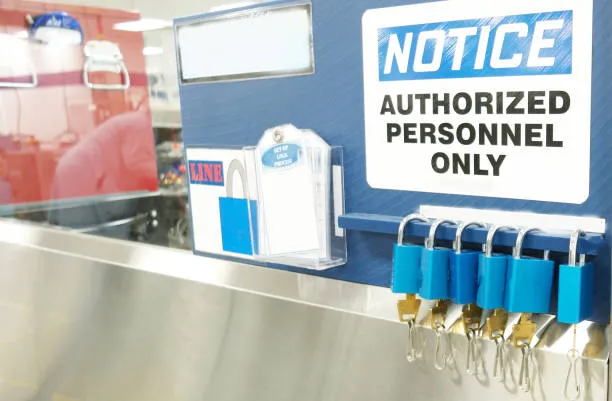
Lockout devices, like padlocks and lock boxes, provide a physical barrier to prevent unauthorised access to energy sources. Tagout devices, such as tags and labels, serve as visible warnings to indicate that equipment is locked out or undergoing maintenance.
LOTO boxes are another type of device that can securely store multiple keys or locks during lockout procedures. Choosing the right colours for locks and tags is also important for clear identification in the workplace.
By using a combination of these LOTO devices, you can create a comprehensive lockout procedure that keeps your employees safe from hazardous energy while performing maintenance or repairs on equipment without unnecessary risks or accidents.
Make sure all employees are trained on how to properly use each type of LOTO device and understand the importance of following lockout procedures. Compliance with LOTO standards is crucial for maintaining a safe work environment and reducing the risk of accidents caused by unexpected energization or start-up of equipment.
Energy isolating devices
Energy isolating devices are essential for ensuring workplace safety when performing lockout and tagout procedures. These devices, such as valves, switches, or breakers, physically disconnect equipment from their energy source to prevent accidental startup.
By isolating the energy flow, these devices protect workers from hazardous energy and potential accidents. It is crucial to choose the right type of energy isolating device that effectively prevents the release of stored energy and keeps employees safe during maintenance or repair tasks.
Make sure your lockout safety locks include reliable and easy-to-use mechanisms for effective equipment isolation.
Lockout devices
Lockout devices are an essential component of a comprehensive lockout/tagout (LOTO) procedure. These devices are specifically designed to prevent the accidental re-energizing of equipment during maintenance or repair work.
They typically consist of a locking mechanism that securely holds energy isolating devices in place, ensuring that hazardous energy sources remain effectively isolated. By using lockout devices, business owners can effectively enforce their lockout procedures and minimise the risk of accidents or injuries caused by unexpected energization of equipment.
It is crucial to choose the right type and size of lockout device for each specific piece of equipment in order to ensure proper functionality and maximise workplace safety.
Tagout devices
Tagout devices are another essential component of a comprehensive lockout-tagout (LOTO) procedure. These devices are used to provide visual indications that equipment or machinery is undergoing maintenance and should not be operated.
Tagout devices typically consist of tags attached to locks or isolation points, clearly stating the reason for the lockout and providing information about who authorised it. By using tagout devices in conjunction with lockout mechanisms, you can ensure that all employees are aware of the maintenance activities taking place and understand the importance of not energising or operating equipment under lockout conditions.
Remember, tagouts alone do not provide physical protection like locks do, but they serve as an additional visual reminder to reinforce safety procedures during maintenance work.
LOTO boxes
LOTO boxes are an essential component of a comprehensive lockout/tagout (LOTO) procedure. These boxes are specifically designed to help you effectively isolate and secure energy sources during maintenance or repair work on equipment.
LOTO boxes provide a designated space where workers can store the keys or locks used to control the energy sources, ensuring that only authorised personnel can access them. By using LOTO boxes, you can easily organise and track your lockout devices, making it easier for employees to adhere to safety procedures and preventing accidental energization of equipment.
With their durable construction and clear visibility, LOTO boxes serve as a reliable tool in maintaining a safe workplace environment.
Choosing the right colours for locks and tags
When selecting colours for locks and tags in your workplace, it is important to choose options that are easily recognizable and distinguishable. This helps to ensure that employees can quickly identify the lockout devices being used and understand their purpose.
For example, using a bright red colour for locks can indicate that equipment is locked out or unsafe to use. Similarly, using yellow tags can signify caution or temporary situations.
By choosing the right colours for locks and tags, you can enhance the effectiveness of your lockout/tagout procedures and promote a safer work environment for everyone involved.

Conclusion
Choosing the right lockout safety locks is crucial for ensuring a LOTO compliant workplace. These locks play a vital role in equipment isolation and hazardous energy control. By investing in high-quality lockout devices and providing proper training on their use, business owners can prioritise workplace safety and protect their employees from potential hazards.
Safeguarding your workplace with effective lockout safety locks is an essential step towards creating a safe and secure work environment. Ensuring a LOTO compliant workplace means investing in quality lockout safety locks. Consult with the specialists at Worksafe Lockouts for superior solutions.
Sorting out lockout for your own site?
Describe what needs isolating and we'll help you work out the setup that fits.