
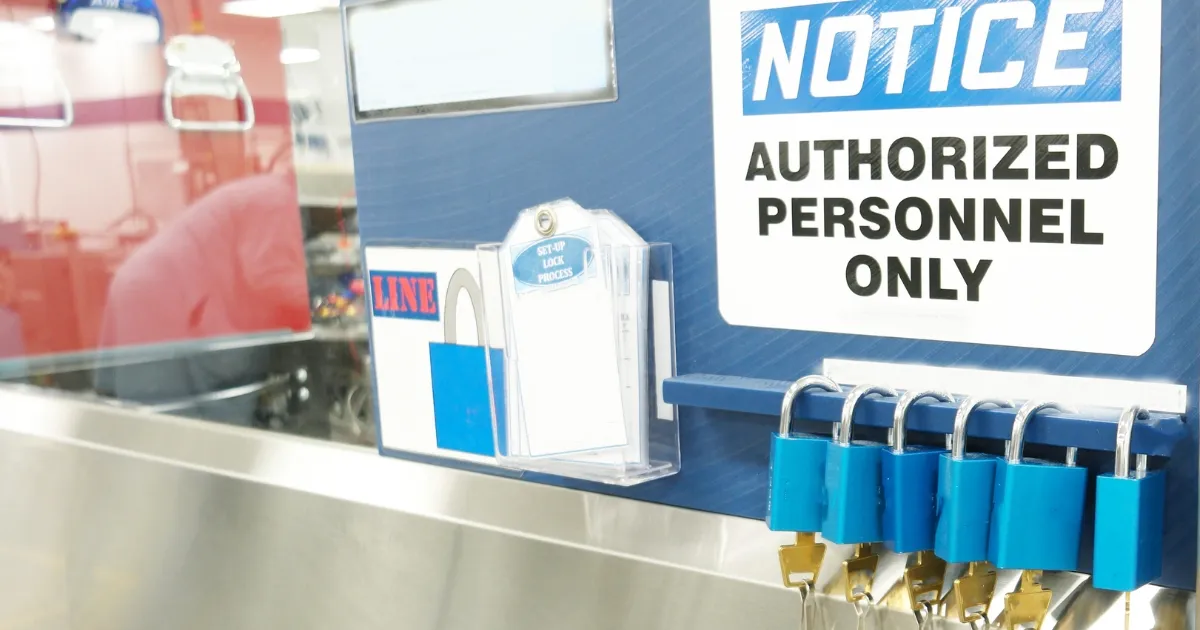
Working in hazardous environments introduces unique challenges when implementing Lockout/Tagout (LOTO) procedures. These environments, which may include chemical plants, oil refineries, or mining operations, pose significant risks associated with hazardous energy sources. This article delves into the specific challenges faced in such environments and offers practical solutions to ensure effective LOTO implementation for enhanced workplace safety.
Understanding Hazardous Environments and Energy Sources
Hazardous environments are characterised by the presence of potentially dangerous substances or processes, such as high-pressure systems, volatile chemicals, or heavy machinery. Energy sources in these environments can range from electrical circuits and mechanical equipment to hydraulic and pneumatic systems, each requiring meticulous isolation to prevent accidental activation during maintenance or repair.
Complexity of Equipment and Systems
One of the primary challenges in hazardous environments is the complexity of equipment and systems involved. Machinery may operate at high temperatures or pressures, requiring specialised lockout devices that can withstand extreme conditions. Ensuring compatibility and effectiveness of LOTO equipment in such environments is crucial to mitigating risks associated with energy release.
Safety Risks and Regulatory Compliance
Safety risks in hazardous environments are heightened due to the potential for catastrophic incidents if LOTO procedures are not rigorously followed. Compliance with stringent safety regulations and standards, such as AS 4024.1 in Australia, is essential but can be challenging to maintain in dynamic and high-risk work environments. Addressing these challenges requires proactive safety measures and continuous training of personnel involved in LOTO activities.
Training and Competency of Personnel
Effective implementation of LOTO procedures hinges on the training and competency of personnel. Workers in hazardous environments must be well-versed in identifying energy sources, applying lockout devices correctly, and verifying isolation to ensure safety. Regular training programs, including practical simulations and scenario-based exercises, equip employees with the skills and confidence to navigate complex LOTO challenges in real-world scenarios.
Integration with Operational Practices
Integrating LOTO procedures with operational practices in hazardous environments requires careful planning and coordination. Clear communication channels between maintenance teams, operations personnel, and safety officers are essential for seamless execution of LOTO protocols. Establishing pre-job safety briefings, hazard assessments, and contingency plans enhances preparedness and reduces the likelihood of incidents during LOTO activities.
Environmental and Operational Factors
Environmental factors, such as weather conditions or confined spaces, can further complicate LOTO procedures in hazardous environments. Adapting LOTO practices to accommodate these factors involves selecting appropriate lockout devices, ensuring visibility of tags in low-light conditions, and providing protective equipment to mitigate environmental hazards. Flexibility and adaptability in LOTO protocols enable safe operations despite challenging environmental conditions.
Technological Innovations and Solutions
Advancements in technology offer innovative solutions to overcome challenges in hazardous environments. Smart lockout systems, for instance, provide real-time monitoring of energy isolation status and remote access capabilities, enhancing efficiency and accuracy in LOTO procedures. Integration of digital platforms for LOTO management facilitates documentation, compliance tracking, and data analysis, streamlining safety practices in complex industrial settings.
Continuous Improvement and Feedback Loop
Continuous improvement is essential for refining LOTO procedures in hazardous environments. Establishing a feedback loop where frontline workers can provide insights and suggestions for enhancing safety protocols fosters a culture of collaboration and innovation. Regular safety audits and incident investigations provide valuable data to identify areas for improvement and implement corrective actions promptly.
Leadership Commitment and Organisational Culture
Leadership commitment to safety and fostering a strong organisational safety culture are paramount in hazardous environments. Management support for LOTO initiatives, allocation of resources for training and equipment upgrades, and recognition of safety achievements motivate employees to prioritise safety in their daily tasks. By leading by example, management sets the tone for adherence to LOTO procedures and reinforces a collective commitment to workplace safety.
Securing Safety Amidst Complexity
Navigating LOTO procedures in hazardous environments requires diligence, expertise, and a proactive approach to safety. By addressing challenges such as equipment complexity, regulatory compliance, and environmental factors with practical solutions and innovative technologies, businesses can enhance workplace safety and operational resilience. Embracing a culture of continuous improvement and fostering collaboration among stakeholders ensures that LOTO procedures remain effective in safeguarding personnel and mitigating risks in hazardous work environments.
Sorting out lockout for your own site?
Describe what needs isolating and we'll help you work out the setup that fits.