
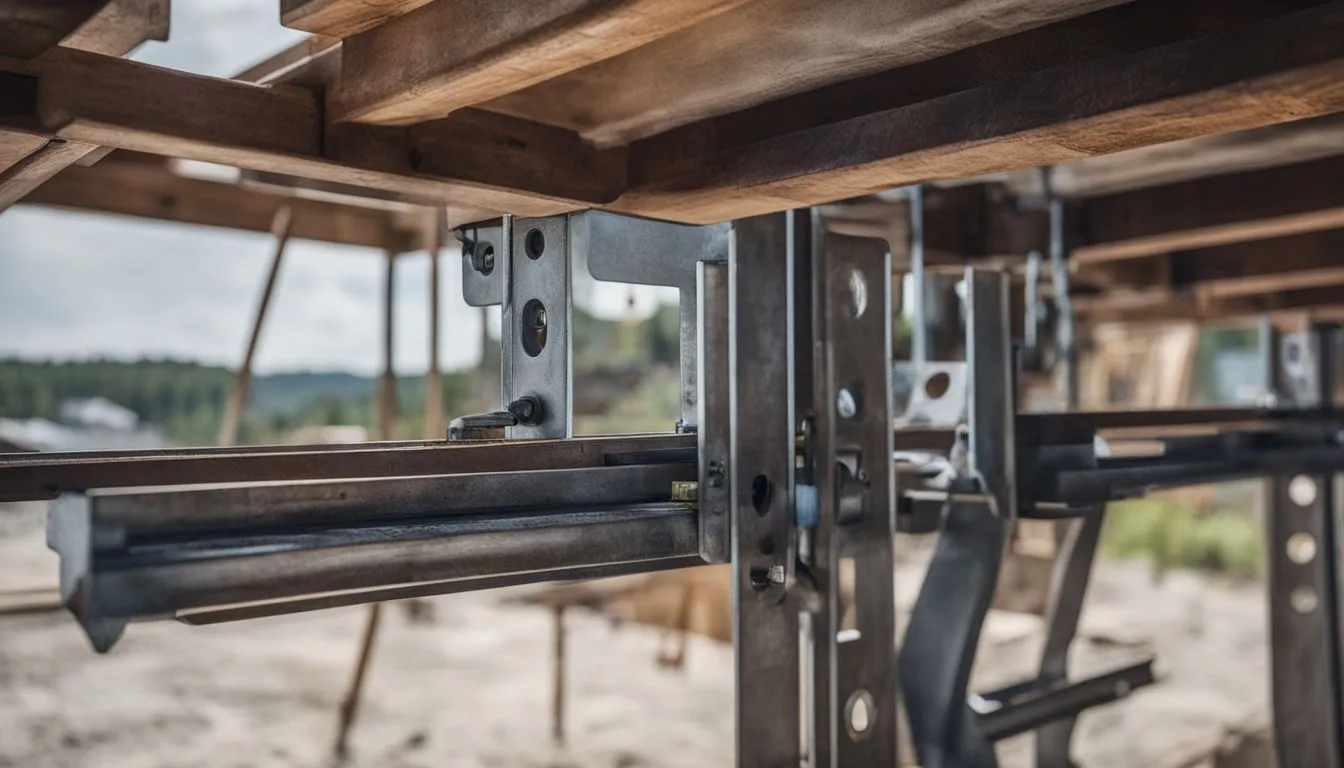

Finding the right fix for secure construction connections can seriously do your head in. We know the struggle all too well – it turns out, locking brackets are often the little rippers that solve this puzzle, with a fair dinkum advantage being their broad use in keeping things stable across a variety of construction jobs.
This yarn is all about giving you the good oil on how to slot locking brackets into your construction planning like a pro. Strap yourselves in for a read that’s as engaging as a footy final.
Understanding Locking Brackets

Understanding Locking Brackets:
Locking brackets are crucial components used in construction planning. These brackets play a key role in providing secure and stable connections, allowing for flexibility in measurements and enhancing overall stability and security.
Their widespread usage in the manufacture of construction accessories underscores their importance in the construction industry.
The concept of a locking bracket

Locking brackets serve as the backbone for secure connections in construction. These ingenious devices lock elements together, ensuring that structures are stable and durable. We utilise locking brackets across various stages of construction planning, making them indispensable in projects ranging from tilt-up to precast construction.
Their design allows for quick assembly and disassembly while providing assurance that everything stays firmly in place.
We often incorporate locking brackets into our designs to enhance safety and efficiency on the construction site. They adapt well to different measurements, offering flexibility without compromising security.
With their ability to prevent unintentional dislodgement, these tools play a critical role in maintaining the integrity of concrete constructions and formwork systems throughout the building process.
Wide usage in manufacture of accessories for construction
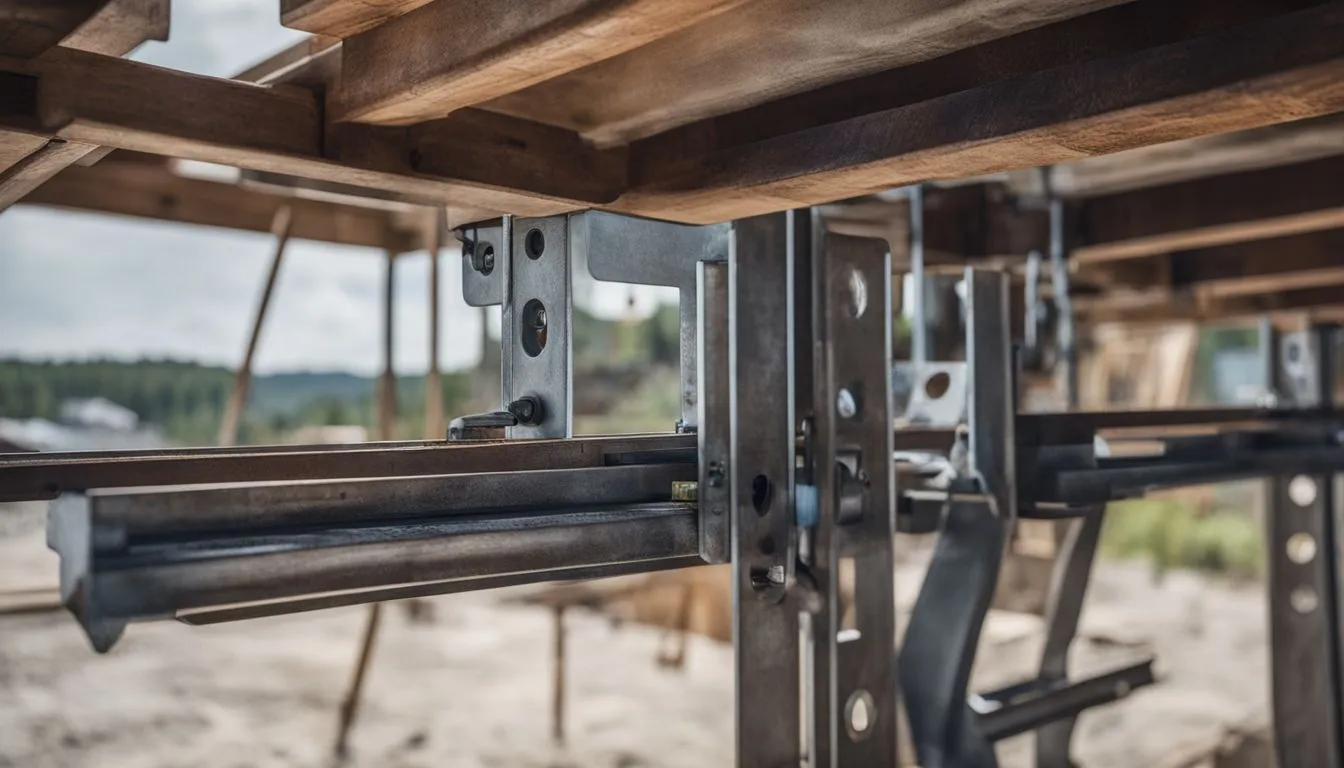
They’ve observed locking brackets becoming integral to the manufacture of accessories for construction. Their role spans a variety of applications, emphasising their versatility in building projects.
From providing secure attachments for formwork systems to enhancing the stability of precast elements, these brackets support essential functions across different construction phases.
Manufacturers rely on them for creating components that meet stringent safety standards while facilitating ease of installation.
In our experience, incorporating locking brackets into construction planning has revolutionised how business owners approach project design and execution. They serve as a critical component in tilt-up and precast construction methods, offering improved security measures against dislodgement under stress.
This ensures not just the safety of construction workers but also extends the lifespan of constructed facilities by bolstering their structural integrity. Through this adoption, we contribute to setting new benchmarks in the industry regarding durability and reliability in building constructions.
Role of Locking Brackets in Construction Planning
Locking brackets play a vital role in construction planning, ensuring secure and stable connections while allowing for flexibility in measurements. Incorporating locking brackets facilitates the efficient installation of precast elements and formwork safety, contributing to enhanced stability and security on construction sites.
Facilitating secure and stable connections

We understand the crucial role that locking brackets play in construction planning. These components are instrumental in achieving secure and stable connections between various structural elements.
Our approach focuses on incorporating locking brackets effectively to bolster both stability and security, critical factors for any construction project. We prioritise safety, ensuring that every connection made contributes to the overall integrity of the building structure.
Our experience tells us that a well-planned incorporation of locking brackets into construction designs not only enhances the robustness of connections but also addresses potential challenges in formwork and tilt-up constructions.
Through careful selection and placement, we can prevent common issues such as unintentional dislodgement or instability under load, issues that could compromise safety on-site. By focusing on these secure fittings, we elevate our projects’ quality, demonstrating our commitment to excellence in the construction industry.
Allowing for variety in measurements

Integrating locking brackets into construction planning adds unprecedented flexibility. It enables construction teams to accommodate various measurements without compromise on stability or accuracy.
This adaptability is crucial for projects involving tilt-up construction, precast elements, and formwork design where precise alignment and secure fastening are paramount.
Our approach ensures that every project benefits from this versatility. Whether it be concrete constructions or building site layouts, the use of locking brackets supports efficient workflow and enhanced safety measures.
Their incorporation not only meets but exceeds industry standards in construction planning and execution, providing a reliable solution across diverse applications.
Installing Locking Brackets
Installing locking brackets requires careful consideration and precise execution. Mounting them on outward opening doors, inward opening doors, or glass doors demands attention to detail for ensuring proper functionality and security.
Mounting on outward opening doors
Mounting locking brackets on outward opening doors presents a unique set of challenges, but we’ve got it covered. First off, ensure the door frame is strong enough to support the bracket and lock mechanism.
This might require reinforcing the frame in some cases. Next, align the bracket precisely where the door will be in its closed position. This ensures that once installed, the lock engages securely and enhances stability without hindrance to the door’s operation.
We use screws designed for outdoor use to avoid rust and corrosion over time. Positioning is key; place them at strategic points around the bracket for maximum strength and security.
After installation, test the door several times to confirm that it opens and closes smoothly with the locking mechanism engaging correctly every time.
Transitioning from mounting on outward opening doors brings us to consider inward opening ones next.
Mounting on inward opening doors
After successfully mounting locking brackets on outward opening doors, let’s address the process of fitting them onto inward opening doors. The key to this installation lies in ensuring that the brackets are firmly secured to the door frame and properly aligned with the corresponding components.
This is crucial for imparting stability and security to inward-opening doors within a construction setting. Strategically positioning the locking brackets will allow for secure connections, bolstering overall safety measures within your construction project.
When installing locking brackets on inward opening doors, begin by carefully aligning and affixing them onto the designated areas of the door frame. Ensure that all measurements are accurate and precise, allowing for a seamless fit between the brackets and relevant elements of your construction design.
Mounting on glass doors
Mounting locking brackets on glass doors requires careful consideration and specialised hardware. It’s crucial to use the right type of bracket designed specifically for glass, ensuring it can bear the weight and provide a secure attachment.
When installing these brackets, make sure to follow manufacturer specifications closely to avoid damaging the glass surface and compromising the door’s integrity.
One common mistake is underestimating the importance of professional installation for glass doors. We highly recommend engaging experienced professionals who are familiar with handling delicate materials like glass.
Common Mistakes When Installing Locking Brackets

Installing locking brackets requires attention to detail and precision. Avoid these common mistakes when installing locking brackets:
- Neglecting proper alignment of the brackets which can compromise stability and functionality.
- Failing to use appropriate mounting hardware, leading to weak connections and potential safety hazards.
- Ignoring manufacturer guidelines for installation, resulting in suboptimal performance and reduced durability.
- Miscalculating the required spacing between brackets, affecting the overall integrity of the structure.
- Overtightening screws or bolts, causing damage to both the bracket and the mounting surface.
- Underestimating the importance of regular maintenance, increasing the risk of unexpected failures.
Let’s move on to understanding a superior alternative to traditional locking brackets in construction planning.
The Blocking Bracket: A Superior Alternative

Transitioning from common mistakes to a better alternative, let’s consider the superior solution of the blocking bracket. With its innovative design and enhanced functionality, the blocking bracket offers a more dependable and secure option for construction planning.
This advanced alternative ensures robust stability and resilient connections, providing business owners with peace of mind when incorporating locking brackets in their construction projects.
Benefits of Using Locking Brackets in Construction
Using locking brackets in construction enhances stability and security while allowing flexibility in measurements. It reduces the risk of unintentional dislodgement, leading to safer and more efficient construction processes.
Enhanced stability and security
Incorporating locking brackets into construction planning enhances stability and security. The use of these brackets in structural elements provides robust support, reducing the risk of unintentional dislodgement.
By ensuring secure connections between components, such as precast concrete or formwork elements, locking brackets contribute to a safer construction environment. This enhanced stability supports the overall integrity of the building structure, promoting a steadfast and secure project outcome for business owners.
The incorporation of locking brackets also bolsters security measures within the construction site by preventing potential hazards associated with unstable connections. This proactive approach aligns with industry best practices and offers peace of mind for all stakeholders involved in the construction process.
Flexibility in measurements
Locking brackets offer flexibility in measurements, allowing for the secure connection of various precast elements with varying dimensions. This capability to accommodate different sizes and shapes enhances the versatility of construction planning, enabling the integration of diverse concrete elements into building projects while maintaining stability and security.
The ability to work with a range of measurements empowers construction planners with the freedom to utilise an assortment of precast components, contributing to efficient and adaptable project execution.
Incorporating locking brackets provides business owners with a practical solution for addressing the challenges associated with coordinating multiple concrete elements during construction.
Reduced risk of unintentional dislodgement
Transitioning from the importance of flexibility in measurements to addressing the reduced risk of unintentional dislodgement, it’s crucial for business owners to recognise the significant impact locking brackets have on ensuring stability and security.
By incorporating locking brackets into construction planning, there is a notable decrease in the likelihood of unintended dislodgement. This enhancement contributes significantly to maintaining structural integrity and overall safety within construction projects.
Creative Applications of Locking Brackets for Enhanced Safety
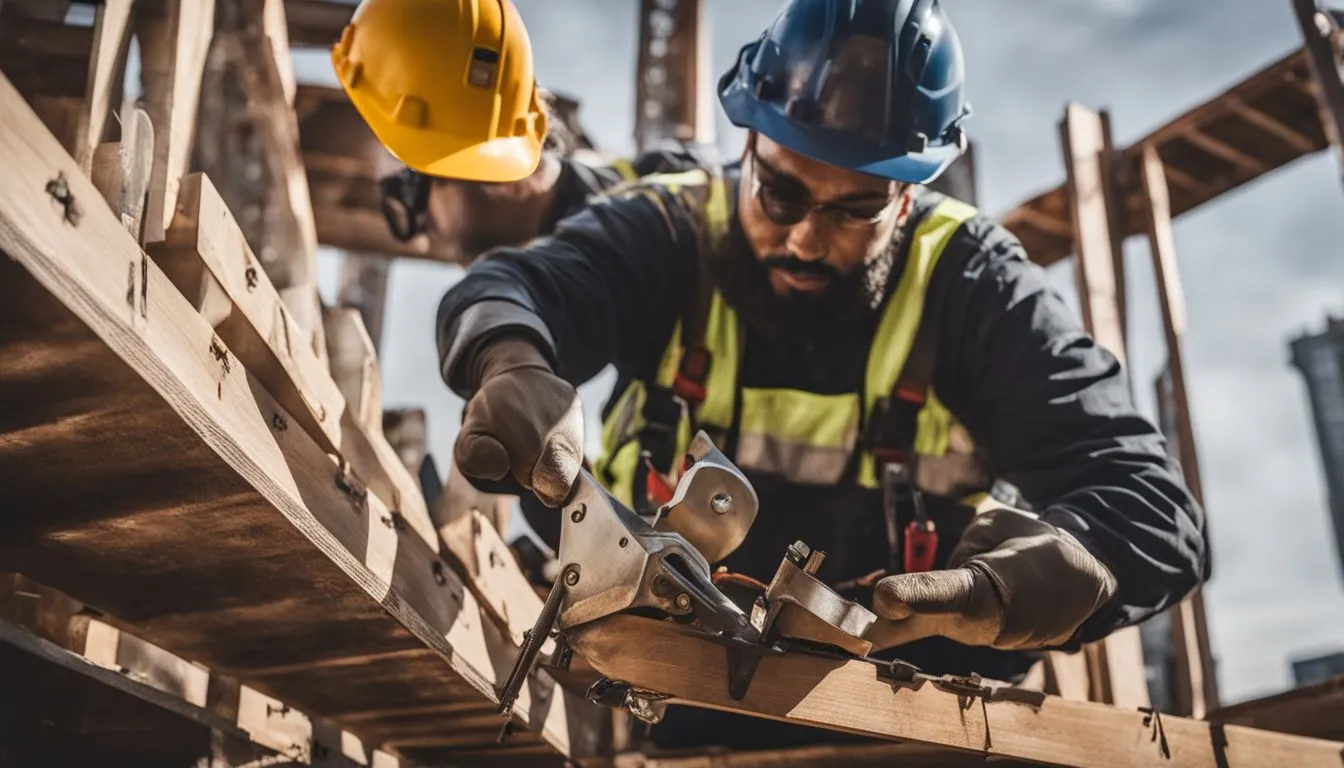
Creative applications of locking brackets open up new possibilities for enhancing safety in construction projects. By leveraging the versatility of locking brackets, unique solutions like securing formwork and precast concrete elements with tailored configurations can be developed, contributing to improved site safety.
These innovative approaches not only address the complexities of construction hazards but also underpin a proactive stance towards addressing them effectively. Harnessing these creative uses allows us to go beyond standard practices, delivering bespoke safety measures that align seamlessly with modern construction requirements.
Incorporating Locking Brackets in Construction Codes of Practice

Incorporating Locking Brackets in Construction Codes of Practice involves defining roles and responsibilities in design and planning, as well as considering the use of locking pins with retaining devices.
It ensures that construction plans align with established safety standards and industry best practices.
Roles and responsibilities in design and planning
Design and planning play a pivotal role in integrating locking brackets into construction projects. As business owners, understanding the best application of locking brackets within your design is crucial.
It involves considering structural stability, load-bearing capacity, and adherence to safety regulations. Furthermore, ensuring that all elements are accurately measured for precise installation while accounting for potential adjustments during the construction process is imperative.
In addition to this, it’s essential to collaborate with architects and engineers to incorporate locking bracket systems seamlessly into the overall design framework.
Considerations for using locking pins with retaining devices
When using locking pins with retaining devices, it’s crucial to ensure that the dimensions and specifications of the locking pins match those of the retaining devices. This compatibility is essential for maintaining a secure connection and preventing unintended dislodgement.
Additionally, consider the material strength of both the locking pins and retaining devices to guarantee optimal performance under various load conditions. Prioritising this as part of construction planning can help avoid issues related to stability and security, ensuring a robust and reliable construction framework.
Tensioning mechanisms should be meticulously reviewed when considering locking pins with retaining devices. Ensuring appropriate tension levels will enhance the effectiveness of these components in securing precast elements or formwork during construction activities.
Conclusion
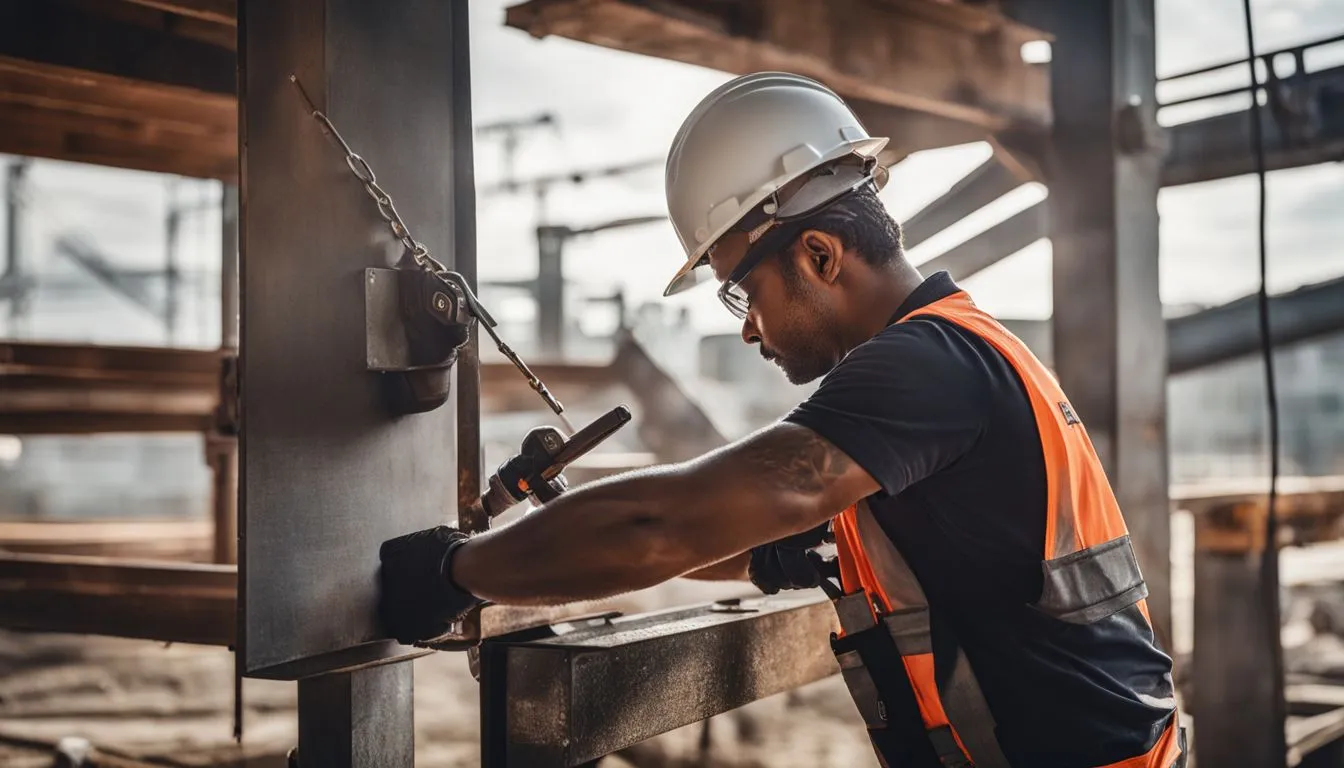
In conclusion, incorporating locking brackets in construction planning can enhance stability and security while allowing flexibility in measurements. With practical installation tips, the impact of using locking brackets is significant.
Are you ready to implement these efficient strategies on your construction projects? Explore additional resources or guidance for further learning. As you consider integrating locking brackets into your design and planning, remember to focus on the practicality and ease of implementation offered by these solutions, potentially leading to improved safety and productivity on your construction sites.
For more innovative ideas on ensuring safety in your construction projects, check out our guide on creative applications of locking brackets for enhanced safety.
Sorting out lockout for your own site?
Describe what needs isolating and we'll help you work out the setup that fits.