

Ever found yourself fretting over safety regulations at your place of work? You’re not alone, indeed. According to some rather concerning studies, approximately 10% of severe accidents within various industries are caused by failing to control hazardous energy. This blog post will shed light on how Valve Lockouts can play a significant role in bolstering the safety in your workplace. So grab a cuppa and get ready for an enlightening read!

What is LOTO (Lockout/Tagout)?
LOTO, or Lockout/Tagout, is a vital safety procedure that helps prevent unexpected releases of hazardous energy during maintenance or repairs in the workplace.
Importance in workplace safety
Workplace safety is paramount for the well-being of everyone present. Valve lockouts play a crucial part in this, providing an effective method to control hazardous energy during maintenance or repair work on machinery.
Mismanagement of such energies can cause severe workplace accidents or fatalities, emphasising the importance of having comprehensive lockout/tagout procedures at all workplaces dealing with heavy equipment and machinery.
These devices are not only handy tools that enhance employee protection but also strict mandates enforced by occupational safety authorities worldwide. They ensure lockdowns occur when necessary, preventing unexpected startups and protecting workers from potential dangers.
Legal requirements
To ensure workplace safety, there are legal requirements that need to be followed when it comes to valve lockouts. These requirements are in place to protect employees and prevent accidents or injuries.
They include implementing lockout/tagout procedures, conducting risk assessments, enforcing policies, and performing regular audits and inspections. By adhering to these legal requirements, home owners can enhance workplace safety and create a secure environment for their employees.
In addition to providing a safe work environment, following the legal requirements for valve lockouts is essential for compliance with occupational safety regulations. Lockout/tagout procedures help control hazardous energy and prevent unexpected hazards during maintenance or repair work.
The Purpose of Valve Lockouts
Valve lockouts serve the important purpose of preventing accidents and fatalities in the workplace, as well as ensuring compliance with plant isolation procedures and the requirement for interlocked guarding.
Preventing accidents and fatalities
Valve lockouts play a crucial role in preventing accidents and fatalities within the workplace. They ensure that the operation of valves is isolated, de-energized, locked out, and tagged out during maintenance work or repairs.
By enhancing workplace safety and controlling hazardous energy, valve lockouts significantly reduce the risk of workplace injuries and fatalities. Implementing proper lockout/tagout procedures is an essential part of any comprehensive guide to occupational safety.
It helps protect employees by providing a clear framework for equipment maintenance and ensuring that hazardous energy sources are effectively controlled. Valuable assets like home machinery can be made safer with the use of lockout devices and adherence to safety protocols outlined in workplace regulations.
Compliance with plant isolation procedures
To ensure workplace safety, it is crucial to comply with plant isolation procedures. These procedures involve isolating machinery or equipment from all energy sources before conducting any maintenance work or repairs.
By following these protocols, we can effectively control hazardous energy and prevent accidents and injuries in the workplace. It is important to understand and implement lockout/tagout procedures to protect employees from unexpected hazards and enhance overall workplace safety.
Requirement for interlocked guarding
Interlocked guarding is an essential requirement when it comes to valve lockouts in the workplace. This safety measure ensures that machinery or equipment cannot be operated while a lockout device is in place.
By using interlocked guarding, you can prevent accidental activation of valves and other hazardous equipment, reducing the risk of injuries and fatalities. It adds an extra layer of protection, ensuring that employees are safe during maintenance work or repairs.
Interlocked guarding plays a crucial role in enhancing workplace safety by controlling hazardous energy and preventing unexpected hazards from causing harm.
Types of Valve Lockout Devices
There are different types of valve lockout devices available, including hasp locks, universal valve lockouts, and lockout boxes.
Hasp locks
Hasp locks are a commonly used type of valve lockout device. They are designed to securely fasten around the handle or lever of a valve, preventing unauthorised operation. Hasp locks provide an effective way to isolate energy sources and control hazardous energy during maintenance or repairs.
By using a hasp lock, you can enhance workplace safety by reducing the risk of accidental releases of stored energy, which can lead to injuries or fatalities. These simple yet essential devices play a crucial role in ensuring employee protection and compliance with lockout/tagout procedures, making them an important part of any comprehensive safety program.
Universal valve lockouts
Universal valve lockouts are an essential part of workplace safety measures. These lockout devices are specifically designed to secure and immobilise valves, preventing them from being accidentally turned on or released while maintenance work or repairs are being carried out.
By using universal valve lockouts, home owners can enhance their own safety by controlling hazardous energy sources in their homes. This ensures that unexpected hazards like sudden bursts of steam, gas leaks, or water surges can be avoided during repair and maintenance work.
Universal valve lockouts provide peace of mind knowing that the valves in your home are securely locked out, protecting you and your loved ones from potential accidents and injuries.
Lockout boxes
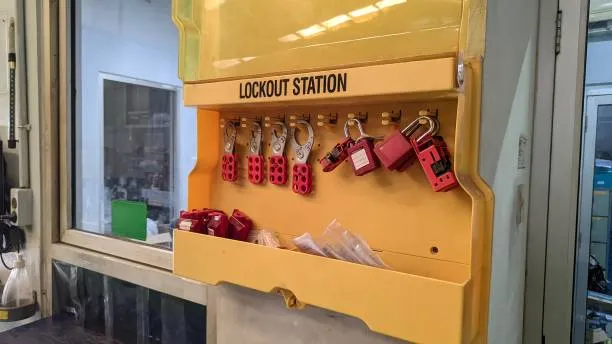
Lockout boxes are an essential tool for ensuring workplace safety. These devices are designed to securely store and control access to energy isolation points, such as valves, during maintenance or repairs.
By using lockout boxes, home owners can effectively prevent unexpected hazards and protect themselves from accidents or injuries.
Lockout boxes work by providing a dedicated space for workers to lock out equipment and isolate hazardous energy sources. With this system in place, home owners can easily identify and isolate the necessary energy sources, de-energize stored energies, lock out isolation points, and tag them accordingly.
This comprehensive approach greatly enhances workplace safety by controlling hazardous energy and preventing potential injuries or fatalities.
How Valve Lockouts Work
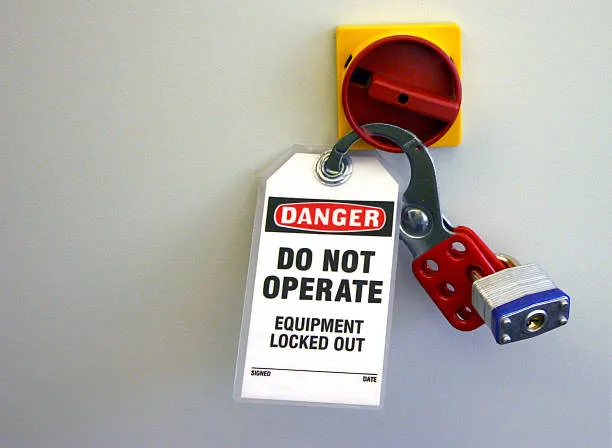
Valve lockouts work by identifying and isolating energy sources, de-energizing stored energies, locking out isolation points, and implementing tagging procedures. Learn more about the importance of valve lockouts in ensuring workplace safety.
Identifying and isolating energy sources
To ensure workplace safety, it is crucial to identify and isolate energy sources. This means locating the power supply or stored energy that runs through the equipment or machinery.
By doing so, potential accidents can be prevented during maintenance work or repairs. It is important to de-energize these energy sources before performing any tasks by using lockout devices such as valve lockouts.
These devices allow you to isolate the equipment and securely lock them out so that they cannot be turned on accidentally. Additionally, tagging procedures should be followed to provide clear communication about the locked-out equipment, ensuring everyone understands its status and avoids any unnecessary risks.
De-energizing stored energies
To ensure workplace safety, it is crucial to de-energize stored energies in equipment before conducting any maintenance work or repairs. By de-energizing these energies, we prevent unexpected hazards and potential accidents from occurring.
This involves identifying and isolating energy sources within the equipment and then locking out the isolation points to securely de-energize them. Additionally, tagging procedures are used to clearly indicate that the equipment is not to be operated until maintenance or repair work is complete.
De-energizing stored energies plays a vital role in enhancing workplace safety by controlling hazardous energy and preventing injuries or fatalities.
Locking out isolation points
Locking out isolation points is a crucial step in the valve lockout process to enhance workplace safety. By isolating energy sources and preventing them from being accidentally re-energized, we can effectively control hazardous energy and reduce the risk of accidents or injuries.
This involves identifying the specific isolation points for each valve and using lockout devices to secure them in the off position. By implementing this procedure, we are protecting ourselves and our colleagues from unexpected hazards while working on maintenance or repairs.
It’s important to follow these steps diligently to ensure employee safety and comply with workplace regulations.
Tagging procedures
Tagging procedures are an essential step in valve lockout processes. They involve placing visible tags on locked-out valves to alert others of potential dangers and prevent accidental re-energization.
These tags provide crucial information, such as the name of the person who performed the lockout, the reason for the lockout, and the date and time it was implemented. By following tagging procedures, we can ensure that everyone in the workplace is aware of ongoing maintenance or repairs and avoid unexpected hazards.
This helps to enhance workplace safety and protect employees from unnecessary accidents or injuries.
Implementing Valve Lockouts in the Workplace
To implement valve lockouts in the workplace, we must conduct a thorough risk assessment to identify potential hazards and determine the appropriate lockout devices needed. We then enforce strict lockout/tagout policies and regularly perform audits and inspections to ensure compliance with safety procedures.
Conducting a risk assessment
To ensure workplace safety, it is essential to conduct a risk assessment. This involves identifying and evaluating potential hazards that could lead to accidents or injuries. By thoroughly assessing the risks associated with the use of valves and other equipment, you can determine the necessary precautions and procedures for lockout/tagout implementation.
Through this process, we can identify any unexpected hazards, evaluate the severity of potential incidents, and develop strategies to mitigate these risks effectively. Overall, conducting a risk assessment plays a vital role in enhancing workplace safety and protecting employees from harm.
Enforcing lockout/tagout policies
We understand how important it is to enforce lockout/tagout policies in the workplace. These policies are designed to protect employees from hazardous energy sources, ensuring their safety while working on machinery or equipment.
By implementing and enforcing these procedures, we can prevent accidents, injuries, and even fatalities. It is crucial for employers to conduct regular audits and inspections to ensure compliance with lockout/tagout protocols.
Additionally, training programs should be implemented to educate employees on the importance of following these policies at all times. Together, we can create a safer work environment by strictly enforcing lockout/tagout procedures.
Regular audits and inspections
Regular audits and inspections are crucial for maintaining workplace safety. They help identify potential hazards, ensure compliance with lockout/tagout procedures, and prevent accidents or injuries.
By conducting these checks regularly, we can stay proactive in addressing any issues or unexpected hazards that may arise. Audits and inspections also serve as a reminder to employees about the importance of following lockout/tagout protocols and using valve lockouts correctly.
This ongoing vigilance plays a significant role in enhancing employee safety and creating a secure work environment for everyone involved.
Conclusion
Valve lockouts play a crucial role in ensuring workplace safety. By preventing accidents and complying with plant isolation procedures, these devices help protect employees from unexpected hazards. Implementing proper lockout/tagout policies along with regular audits and inspections can further enhance overall workplace safety.
So remember, when it comes to safeguarding against hazardous energy and reducing the risk of injuries or fatalities, valve lockouts are an essential part of any comprehensive safety program. Valve lockouts play a significant role in ensuring workplace safety by preventing accidental machinery turn-on. Contact Work Safe Lock Outs and ensure maximum safety with the best valve lockouts in the market.
Sorting out lockout for your own site?
Describe what needs isolating and we'll help you work out the setup that fits.