
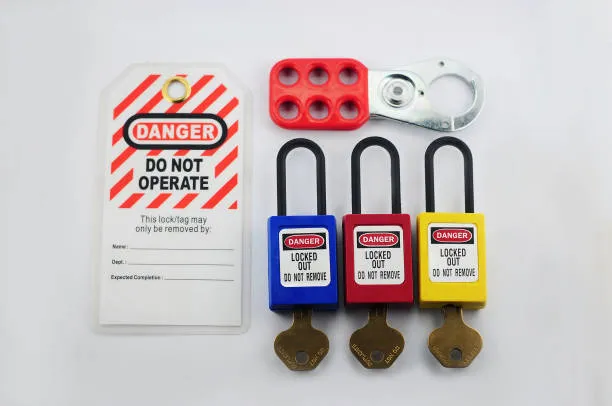
Lockout Tagout, or LOTO, is like a superhero protocol that keeps workers safe from the dangers of unexpected machine start-ups. Like putting up a big red stop sign, safety padlocks and tagouts tell everyone to keep their hands off the equipment until it’s safe again. Training our teams on these life-saving steps isn’t just about keeping them out of harm’s way; it’s also ticking all the right boxes for health and safety laws.
Using LOTO systems doesn’t just prevent accidents – it goes easy on the budget too. Think of it as an ounce of prevention worth pounds in savings because when we avoid mishaps, we’re also dodging hefty costs. The future waves its hand with techy updates such as electronic locks and smartphone apps that make following safety rules a breeze while offering bosses real-time updates.
As business owners, staying ahead means buckling up for tech trends like Internet connections in every lock and key that might soon change how we handle workplace safety. Safety first makes us ready for tomorrow’s innovations without losing sight of today’s protections. Learn more with us!

What is Lockout Tagout (LOTO)?
Lockout Tagout (LOTO) is a safety procedure used to ensure that dangerous machines are properly shut off and not able to be started up again prior to the completion of maintenance or servicing work.
The use of lockout systems in the workplace plays a critical role in preventing accidents and ensuring employee safety.
Importance of LOTO in accident prevention
Lockout Tagout (LOTO) saves lives. It’s as straightforward as that. By effectively locking out dangerous equipment and isolating energy sources, we prevent accidental startups or releases of stored energy.
Accidents can happen in the blink of an eye, but with a robust LOTO procedure in place, we put a strong barrier between our workers and potential harm.
We must always consider machine safety as an ongoing commitment, not just a one-off checklist item. Ensuring every team member understands the lockout procedures is vital for creating a culture where workplace safety measures are respected and followed diligently.
Up next: The role of lockout systems in workplace safety.
The role of lockout systems in workplace safety
Reducing workplace accidents and ensuring employee safety is a top priority. Lockout systems play a crucial role in workplace safety by preventing the unexpected startup or release of hazardous energy during equipment servicing and maintenance.
Implementing lockout procedures and devices like safety padlocks, tagout devices, and energy isolating devices helps to protect employees from potential workplace hazards such as electrical shocks, machinery-related injuries, and chemical exposures.
Training employees on lockout procedures ensures that they understand how to use lockout devices effectively. By following proper equipment isolation protocols using lockouts, businesses can significantly reduce the risk of workplace accidents caused by unexpected energy releases.
Advantages of Using LOTO Systems
Implementing LOTO systems in the workplace not only ensures compliance with health and safety regulations but also significantly reduces the risk of injuries and accidents. It’s a cost-effective way to prevent potentially catastrophic incidents from occurring.
Compliance with health and safety regulations
Ensuring compliance with health and safety regulations is critical for all businesses, including the implementation of lockout tagout (LOTO) procedures. By adhering to these regulations, we maintain a safe working environment and protect our employees from potential hazards.
Meeting these standards demonstrates our commitment to occupational health and safety, ultimately fostering a positive workplace dynamic.
Implementing LOTO systems not only aligns with safety regulations but also reduces the risk of accidents and injuries. This proactive approach safeguards both our workforce and business operations while promoting an environment of trust and accountability within the organisation.
Reduced injuries and accidents
Reducing injuries and accidents is paramount for maintaining a safe workplace environment. Implementing lockout tagout (LOTO) systems significantly minimises the risk of employees being injured by machinery, electrical currents, or other hazardous energy sources.
LOTO ensures that equipment is properly shut off and not started up unexpectedly during maintenance or repair, preventing potential accidents from occurring.
Incorporating LOTO procedures not only safeguards employees but also aligns with health and safety regulations, promoting a culture of compliance within the workplace. By utilising this effective method, businesses can prevent costly work-related injuries and fatalities while enhancing overall operational efficiency.
Cost-effective prevention
Implementing a comprehensive lockout tagout (LOTO) system is a cost-effective prevention measure. By investing in LOTO equipment and training, businesses can significantly reduce the risk of workplace accidents.
This proactive approach minimises potential costs associated with work-related injuries, such as medical expenses, worker compensation claims, and productivity losses. Moreover, abiding by safety regulations prevents costly fines and legal ramifications.
The adoption of LOTO procedures not only safeguards the well-being of employees but also protects business assets. Proactively addressing safety concerns through cost-effective prevention measures enhances operational efficiency and contributes to long-term financial stability for the company.
Key Components of a Comprehensive LOTO Procedure
Training employees on LOTO procedures is essential to ensure that they understand how to effectively use safety locks. Additionally, having the top 6 industrial safety equipment needed for mining operations in place is crucial for a comprehensive LOTO procedure.
Training employees on LOTO procedures
Training employees on LOTO procedures is essential for ensuring workplace safety. It includes:
- Providing comprehensive training sessions to familiarise employees with lockout tagout policies and equipment safety.
- Ensuring that employees understand the importance of energy isolation and the use of tagout warnings during maintenance or repair work.
- Conducting regular refresher courses to reinforce the knowledge and skills required for effective implementation of lockout policies.
- Incorporating practical demonstrations and simulations to enhance understanding and application of lockout/tagout procedures.
- Engaging employees in interactive workshops to address any queries or concerns related to lockout/tagout practices.
- Evaluating employee competency through assessments to ensure compliance with workplace dynamics and regulatory requirements.
Top 6 industrial safety equipment needed for mining operations
When setting up a comprehensive lockout tagout (LOTO) procedure for mining operations, it is essential to have the following industrial safety equipment:
- Lockout/Tagout Devices: These devices are used to isolate energy sources and ensure that machinery or equipment cannot be operated during maintenance or servicing.
- Safety Padlocks: Unique keying systems provide added security, ensuring only authorised personnel can access locked-out equipment.
- Lockout Hasps: These allow multiple workers to lock out the same energy source with their individual padlocks, providing a clear visual indication that the equipment is being serviced.
- Electrical Lockout Devices: Essential for electrical isolation and preventing unexpected start-ups while maintenance work is being carried out on electrical systems.
- Valve Lockouts: These devices prevent valves from being accidentally opened or closed during maintenance, safeguarding against hazardous spills or releases.
- LOTO Kits: Comprehensive kits contain a range of lockout devices for different energy sources, ensuring all potential hazards are adequately addressed during maintenance tasks.
Technological Advancements in Lockout Safety Locks
We’ll explore the latest technological advancements in lockout safety locks, including advanced locking mechanisms, integrated safety features, electronic LOTO systems, wireless communication and monitoring, cloud-based data management, and mobile applications for LOTO.
Advanced locking mechanisms
Advanced locking mechanisms have revolutionised the way safety locks function, enhancing security and efficiency. New systems feature biometric access, allowing only authorised personnel to operate them, which adds an extra layer of protection against unauthorised use.
These advanced locks also incorporate automatic shutdown mechanisms when tampering or forceful entry is detected, providing an additional level of safety for workers and equipment.
Furthermore, some modern locking mechanisms are equipped with remote monitoring capabilities, enabling real-time tracking and management of lockout status. This allows supervisors to ensure that all necessary equipment is safely locked out before work begins.
With these cutting-edge features, advanced locking mechanisms play a crucial role in elevating workplace safety standards and streamlining operational processes.
Integrated safety features
Lockout safety locks now come with integrated safety features that enhance workplace protection. These features include automatic shut-off functions, real-time alarm systems, and remote monitoring capabilities.
Collaborative lockout systems allow for seamless communication between different devices, ensuring a coordinated approach to safety across the entire operation.
The integration of safety features into lockout systems not only minimises potential hazards but also streamlines safety protocols, making it easier for employees to adhere to comprehensive lockout procedures.
Electronic LOTO systems
Turning from integrated safety features to electronic LOTO systems, it’s crucial to highlight the shift towards advanced technology in workplace safety. Electronic LOTO systems offer a seamless and efficient approach to lockout tagout procedures.
These systems utilise electronic locks and tags equipped with programmable features, allowing for precise control over access to hazardous equipment. In addition, electronic LOTO systems provide real-time monitoring and data collection capabilities, enabling businesses to track usage patterns and ensure compliance with safety protocols.
Furthermore, electronic LOTO solutions can be integrated with cloud-based platforms and mobile applications, offering remote access for authorised personnel. This advancement streamlines the overall lockout process while enhancing accountability and transparency within the organisation.
Wireless communication and monitoring
Wireless communication and monitoring play a vital role in modern lockout safety systems. These technologies enable real-time tracking of equipment status, providing immediate alerts for any unauthorised access or tampering.
With wireless connectivity, business owners can remotely monitor the overall lockout process, enhancing efficiency and ensuring compliance with safety protocols. Furthermore, wireless communication enables seamless data transmission to cloud-based platforms for comprehensive record-keeping and analysis.
Integrating wireless communication and monitoring into lockout safety locks simplifies the management of LOTO procedures, empowering businesses to proactively address potential safety risks while maintaining operational productivity.
Cloud-based data management
Cloud-based data management allows for real-time access to lockout tagout (LOTO) procedures and employee training records from any location. This means that business owners can monitor compliance and track safety performance remotely, ensuring that their workplace is consistently adhering to safety regulations.
With cloud-based data management, all relevant information is securely stored in one central location, reducing the risk of loss or damage compared to paper-based systems. This streamlined approach saves time and resources while providing a comprehensive overview of LOTO activities across multiple work sites.
By leveraging cloud-based data management for LOTO procedures, business owners can enhance efficiency and transparency in their safety protocols. Through this technology, they gain valuable insights into employee compliance levels and can proactively address any areas requiring improvement.
Mobile applications for LOTO
Mobile applications for LOTO play a crucial role in enhancing workplace safety and compliance. These apps provide convenient access to lockout procedures, allowing employees to easily reference and follow protocols on their smartphones or tablets.
With features such as digital lockout tag creation, real-time equipment status updates, and step-by-step guidance, mobile applications streamline the LOTO process and improve overall operational efficiency.
Furthermore, mobile applications for LOTO offer training modules that enable employees to stay updated on safety regulations and best practices. By integrating technology with lockout safety locks, businesses can empower their workforce with tools that promote a proactive approach to accident prevention and ensure seamless compliance.
Training and compliance tools
When implementing a lockout tagout (LOTO) procedure, providing thorough training for employees is crucial. This includes instruction on how to properly use safety locks and follow LOTO protocols.
Compliance tools such as checklists and audits help ensure that the procedures are consistently followed and that equipment is properly maintained in accordance with safety regulations.
Additionally, investing in user-friendly compliance software can streamline the process of tracking and documenting LOTO-related activities within the workplace. This technology helps maintain accurate records for auditing purposes and ensures that all necessary precautions have been taken to prevent accidents or injuries related to hazardous energy sources.
Challenges and Future Trends in LOTO Technology
As technology continues to advance, there are challenges and opportunities in the world of lockout safety locks. We’ll explore the advantages and obstacles of technological advancements, as well as case studies of successful implementations and future trends in LOTO technology.
Advantages and challenges of technological advancements
Technological advancements in lockout safety locks offer significant advantages for improving workplace safety. Advanced locking mechanisms, integrated safety features, and electronic LOTO systems enhance the effectiveness of accident prevention measures.
Wireless communication and monitoring enable real-time oversight of lockout procedures, while cloud-based data management ensures efficient record-keeping. Mobile applications for LOTO provide easy access to essential information and tools on-the-go, facilitating swift response in emergency situations.
However, these technological advancements also present challenges such as initial investment costs and the need for comprehensive employee training. Integrating new technology into existing safety protocols requires a strategic approach to ensure seamless implementation and maximum effectiveness.
Case studies of successful LOTO implementations
We’ve witnessed significant success stories where the implementation of LOTO procedures has resulted in a remarkable reduction in workplace accidents. Here are some detailed examples from various industries:
- A manufacturing plant saw a 60% decrease in work – related injuries after introducing comprehensive LOTO training and implementing advanced lockout systems.
- In the construction sector, a company reported a significant drop in equipment-related accidents and near-misses following the adoption of electronic LOTO systems with real-time monitoring and alerts.
- An energy production facility experienced improved operational efficiency and increased employee compliance with safety protocols after integrating cloud-based data management for their LOTO procedures.
- Additionally, a transportation company benefited from mobile applications for LOTO, leading to streamlined lockout processes and enhanced safety awareness among employees.
Future trends in LOTO technology
Transitioning from successful LOTO implementations to future trends in LOTO technology, we see the industry moving towards more advanced and interconnected systems. These trends include the integration of IoT (Internet of Things) technology into lockout safety locks, allowing for real-time monitoring and control.
Additionally, there is a growing focus on leveraging cloud-based data management to streamline compliance reporting and improve overall safety procedures. Another emerging trend involves the development of mobile applications that provide enhanced training resources and simplify LOTO processes for employees on the go.
As technology continues to evolve, businesses should stay informed about these future trends in LOTO technology to ensure their workplace remains at the forefront of safety practices.

Conclusion
We’ve explored the pivotal role of Lockout Tagout (LOTO) in shaping workplace dynamics. The advantages of LOTO systems have been highlighted, emphasising their practicality and cost-effectiveness in preventing accidents. Implementing comprehensive LOTO procedures not only ensures compliance with regulations but also significantly reduces injuries and accidents.
The technological advancements discussed underscore the potential impact of integrating advanced locking mechanisms and electronic LOTO systems, stressing their importance in enhancing workplace safety. Shaping workplace dynamics starts with investing in suitable lockout safety locks. Build a robust safety culture, making it an integral part of your business ethos. Contact Worksafe Lockout for your safety locks and enjoy peace of mind. Readers are encouraged to explore further resources for continuous learning and improvement in workplace safety protocols.
Sorting out lockout for your own site?
Describe what needs isolating and we'll help you work out the setup that fits.