


Enhancing workflow while keeping the whole team safe can sometimes feel like a tough nut to crack. We’ve been in that boat too and after heaps of digging around, we stumbled upon something brilliant – locking brackets.
This yarn will walk you through how these nifty gadgets not just beef up your security but also smooth out the daily grind significantly. Stick around to learn a bit more about how they work wonders.
Understanding Locking Brackets
Understanding Locking Brackets is crucial for ensuring workplace safety and efficient workflow management. Different types of locking brackets play a vital role in securing construction sites and mental health facilities, preventing potential hazards and promoting a secure work environment.
Key Components of Locking Brackets
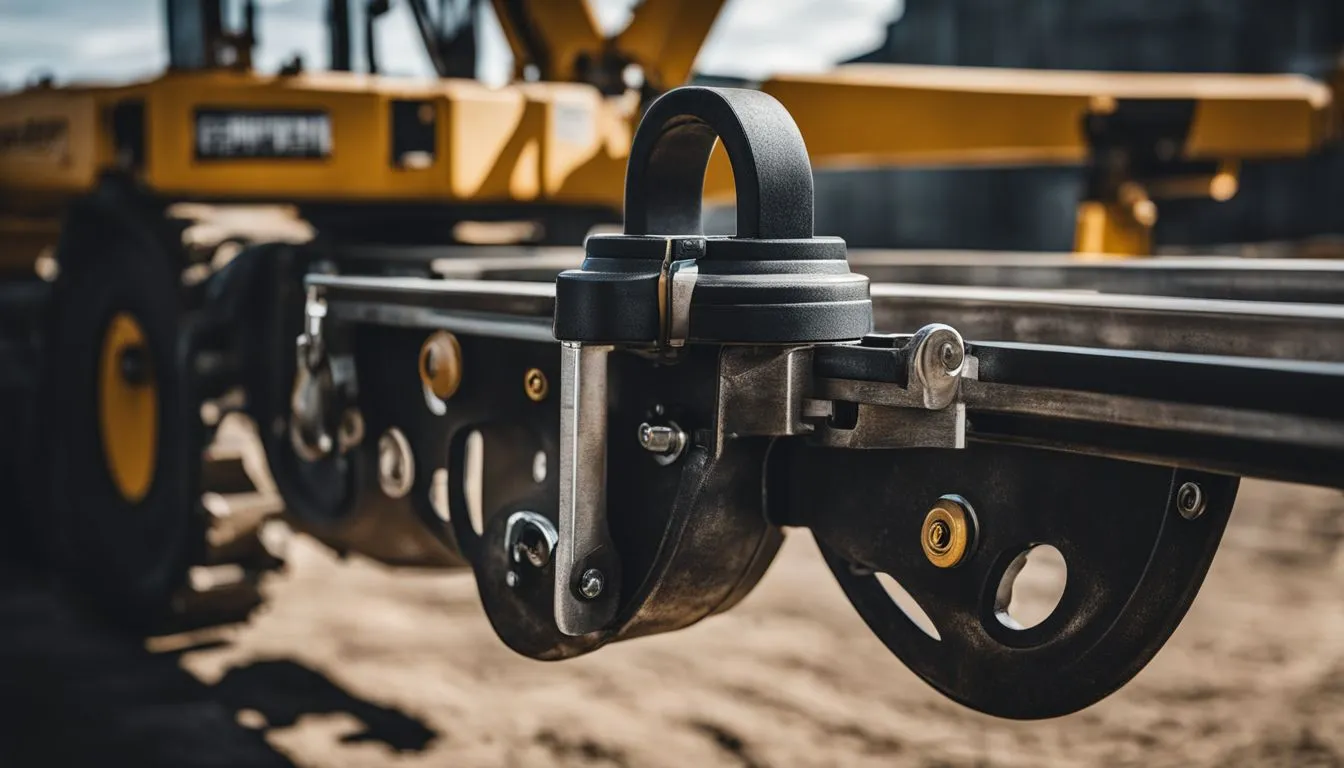
Locking brackets play a pivotal role in ensuring workplace safety and streamlining workflow efficiency. We’ll explore the essential components that make these devices critical for securing equipment and enhancing security measures on worksites.
- Lock Mechanism: At the core of every locking bracket is a lock mechanism designed to securely fasten the device to prevent unauthorised access or tampering. This mechanism can range from simple key locks to advanced digital codes, offering varying levels of security based on the application needs.
- Bracket Design: The design of the bracket itself is crucial for its function, with variations tailored to fit different types of equipment and surfaces. From flat wall mounts to adjustable arms, each design addresses specific load security requirements and workplace layouts.
- Material Construction: Durability is key in construction site equipment, so high-quality materials such as hardened steel or corrosion-resistant alloys are used in making locking brackets. These materials ensure long-term reliability under harsh conditions and heavy use.
- Anchoring System: Effective anchoring systems are what keep locking brackets secured to their mount points. Whether through bolts, welding, or adhesive bonding, these systems must provide a firm hold that withstands physical stress without compromising safety.
- Safety Standards Compliance: Adhering to national and international safety standards is non-negotiable for locking devices used in workplaces, including construction sites and mental health facilities. Compliance ensures that each component has been tested for strength, durability, and reliability.
- Customisation Options: Offering customisation allows for locking brackets to meet specific workplace requirements or restrictions; this includes alterations in size, shape, lock type, or material to suit unique environmental factors or security needs.
As we move forward with understanding how locking brackets contribute positively across various industries let’s delve into their specific roles within construction projects next.
Types of Locking Brackets

Locking brackets play a crucial role in enhancing both workflow efficiency and workplace safety across various industries. They come in many forms, each designed to meet specific security measures or safety protocols while ensuring streamlined processes.
- Fixed Locking Brackets: These brackets are permanently attached to surfaces or equipment, offering a secure anchor point. Principally used in construction sites for load security, they prevent movement or theft of valuable machinery.
- Adjustable Locking Brackets: Offering flexibility, these brackets can be adjusted to fit different sizes and shapes of equipment. They are particularly useful in industries where equipment dimensions vary widely, such as logistics and warehousing.
- Self-Closing Locking Brackets: Engineered with safety as the priority, these locking devices automatically close and lock when a load is detected. Ideal for mental health facilities, they also contribute to ligature prevention by eliminating points where cords can be attached.
- Tamper-Proof Locking Brackets: Designed with unique locking mechanisms that resist tampering, these brackets are essential for high-security areas like banks or prisons. They ensure equipment remains undisturbed without authorised access.
- Magnetic Locking Brackets: Utilising strong magnets, these brackets offer quick and easy attachment and detachment but remain securely in place when locked. They’re excellent for applications needing frequent repositioning without compromising on security.
- Hydraulic Locking Brackets: Employs hydraulic systems to lock and unlock, providing immense holding strength. Particularly beneficial for heavy-duty operations where traditional locking mechanisms might fail under extreme load conditions.
- Electronic Locking Brackets: Incorporate electronic locks that can be controlled remotely, adding an extra layer of convenience and security. These are pivotal in modern business environments where digital workflow optimisation is necessary.
- Quick-Release Locking Brackets: Enables fast release of the locked position without sacrificing security when time is of the essence, valuable during emergency situations or rapid project turnovers.
Understanding the types of locking brackets available helps us select the right type for our specific needs, balancing between securing our equipment and streamlining our operational workflows effectively.
As we move forward towards enhancing workplace security measures while maintaining efficiency, it’s critical to delve into how locking brackets ensure workplace safety within this balance.
The Role of Locking Brackets in Construction

Locking brackets play a critical role in construction by ensuring the safety and security of structures. These innovative devices help secure heavy loads, prevent equipment theft, and enhance workplace safety through reliable locking mechanisms.
We focus on delivering streamlined processes that do not compromise on safety standards, making these brackets indispensable on any construction site.
Our experience shows that using locking brackets significantly improves workflow efficiency while adhering to stringent safety protocols. This approach not only prevents accidents but also saves time by enabling quick and secure installations.
As business owners, we appreciate solutions that offer both security measures and operational efficiency, which is precisely what locking brackets provide in construction projects.
Safety First: How Locking Brackets Ensure Workplace Security
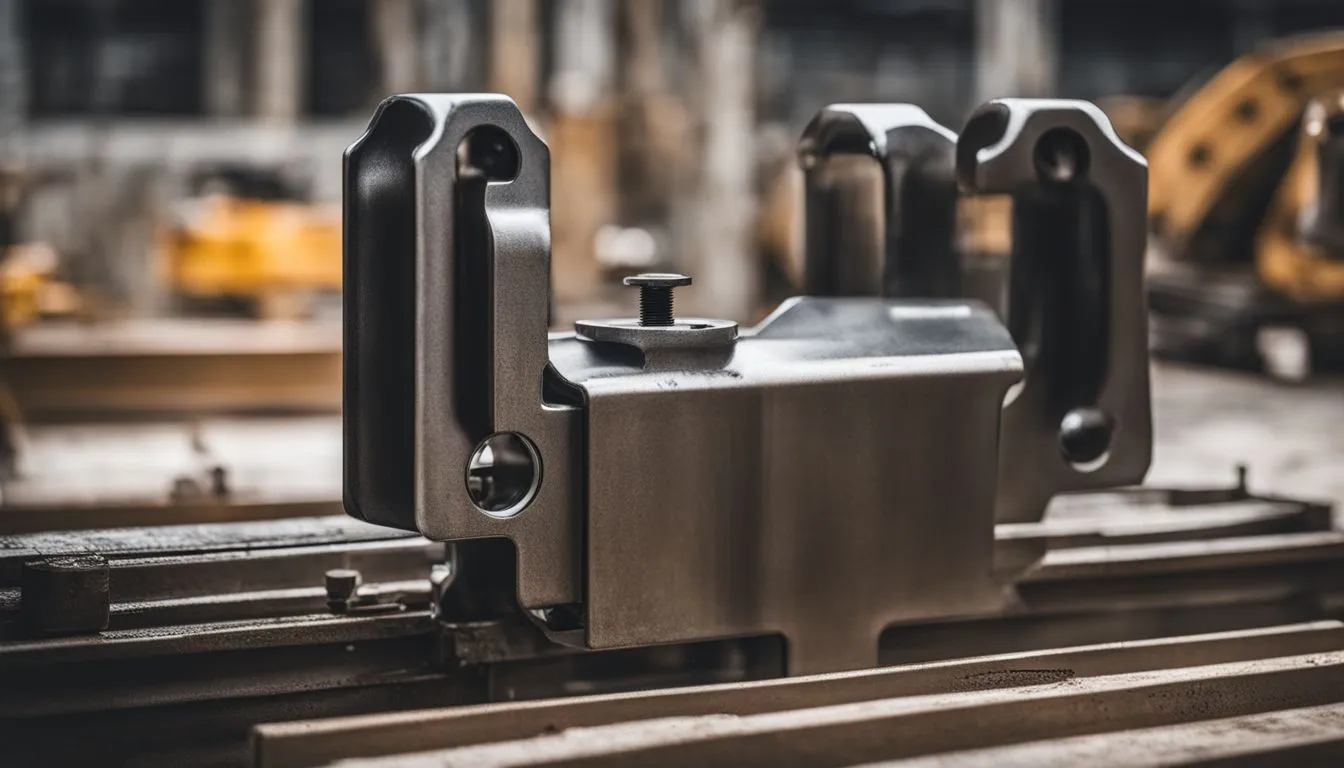
Ensuring workplace security is a top priority for us, and through the integration of locking brackets, we bolster our commitment to maintaining safe environments. These devices play a crucial role in preventing unauthorised access to equipment, safeguarding both the machinery and the personnel working around them.
By effectively implementing lockout/tagout procedures with these brackets, we minimise risks associated with accidental startups or energy releases during maintenance activities. It’s about creating barriers that protect as much as they deter, contributing significantly to overall site safety.
We’ve seen firsthand how utilising locking brackets streamlines safety protocols without compromising efficiency. Their design allows for quick yet secure lockdowns of critical systems, ensuring compliance with safety standards while keeping workflows uninterrupted.
This dual benefit addresses our need for robust security measures that do not hinder operational productivity. In essence, these mechanisms serve as a testament to how thoughtful engineering can achieve balance between stringent safety demands and the dynamic nature of workflow efficiency on construction sites and beyond.
Benefits of Using Locking Brackets
Turning from ensuring workplace security, we shift our focus to the benefits of using locking brackets in streamlining workflows without compromising safety. Locking brackets offer a remarkable combination of features that enhance productivity and secure equipment.
They are pivotal in maintaining workflow efficiency across various sectors, including construction site safety and mental health facilities.
Firstly, these devices significantly reduce the time spent installing and securing equipment, letting teams move swiftly to their next task with confidence that everything is safely locked in place.
Secondly, they minimise the risk of unauthorised access or tampering with machinery, which is crucial for adhering to safety protocols and lockout/tagout procedures. This dual advantage ensures not only a faster but also a safer working environment for everyone involved.
Streamlining Workflow Approvals for Safety Protocols

Streamlining workflow approvals for safety protocols ensures efficient processes and enhances workplace security. Implementing a digital approval system automates the process, improving efficiency and accuracy in ensuring adherence to safety procedures.
The Importance of Efficient Workflow Approvals for Safety Protocols

Efficient workflow approvals play a crucial role in upholding safety protocols within any business, especially when it involves the use of construction site equipment or locking brackets.
Quick and accurate approval processes ensure that all safety measures are reviewed and implemented without delay, significantly reducing the risk of accidents on-site. We take this responsibility seriously, fostering an environment where workplace safety is not compromised for the sake of speed.
Implementing streamlined process approvals enhances overall workflow efficiency as well. It allows us to swiftly move through the necessary steps to secure equipment and enforce lockout-tagout procedures, ensuring every team member operates in a secure environment.
This approach doesn’t just protect our physical assets but also supports mental health by reducing stress associated with potential hazards. By prioritising efficient approvals for our safety protocols, we’re committing to both the wellbeing of our staff and the smooth operation of our projects.
Implementing a Digital Approval System for Safety Protocols

We understand that streamlining workflow approvals for safety protocols is crucial. A digital approval system significantly enhances efficiency and accuracy in maintaining workplace safety.
- Identify the specific safety protocols that need digital approval. This includes lockout procedures, equipment security measures, and construction site safety standards.
- Choose a suitable digital platform that accommodates all your workflow needs. It should support document uploading, real-time updates, and automated reminders.
- Train your staff on how to use the digital approval system. Include practical sessions on navigating the platform, submitting documents, and tracking approvals.
- Set clear rules for document submission and approval times. This ensures everyone knows the expectations and helps prevent delays.
- Integrate automated alerts for upcoming deadlines or pending approvals. These notifications keep workflows moving smoothly without manual oversight.
- Regularly review and update the system based on feedback from users. Adaptations might involve simplifying processes or adding new features to meet evolving safety protocols.
- Maintain a comprehensive audit trail within the system for accountability and compliance purposes. Having records of all actions taken provides valuable insights during audits or reviews.
- Encourage open communication among team members about the digital system’s usage. Sharing tips and troubleshooting common issues can improve overall efficiency.
- Leverage data analytics from the system to identify bottlenecks or areas for improvement in your safety protocols procedures.
Through these steps, we streamline workflow approvals while upholding high standards of workplace safety and security measures without compromising efficiency or accuracy.
Automating Approval Processes to Enhance Efficiency and Accuracy

Transitioning from implementing a digital approval system, automating the approval processes furthers efficiency and accuracy. It’s vital for us to ensure that safety protocols are swiftly and accurately approved using modern technology. Here’s how we can achieve this:
- Utilise workflow automation tools to streamline the approval process while ensuring accuracy in safety protocol compliance.
- Implement automated notifications to stakeholders, improving response times and reducing delays in approving safety protocols.
- Integrate document management systems to centralise safety protocol documentation and provide real – time access for approvals.
- Employ data analytics to identify bottlenecks and improve the efficiency of the approval process for safety protocols.
- Establish automated audit trails to track the approval history of safety protocols, ensuring accountability and transparency.
Automating approval processes significantly enhances efficiency and accuracy in ensuring workplace safety without compromising on security measures.
Aligning Business Objectives with Locking Bracket Safety Initiatives

To ensure that our business objectives align with the safety initiatives related to locking brackets, we need to integrate safety measures into our strategic planning. Our goals should include prioritising employee well-being and adhering to industry safety standards.
By incorporating locking bracket safety initiatives into our business objectives, we demonstrate a commitment to creating a secure work environment while improving overall workflow efficiency.
It’s essential for us as business owners to recognise the significance of integrating safety protocols with our organisational goals, ensuring that they complement each other seamlessly.
As we move forward in this direction, focusing on workplace safety will not only enhance employee morale and productivity but also contribute to cost savings by reducing incidents and downtime due to accidents or injuries.
Embracing these safety initiatives allows us not only to meet regulatory requirements but also aligns with our broader corporate vision of maintaining a safe and efficient work environment.
8. Establishing Standardised Approval Workflows for Different Safety Procedures.
Establishing Standardised Approval Workflows for Different Safety Procedures

To transition from aligning business objectives with locking bracket safety initiatives to establishing standardised approval workflows for different safety procedures, it is crucial to ensure that each safety procedure has a streamlined and efficient approval workflow in place. Standardised approval workflows provide consistency and clarity across different safety measures, ensuring that all necessary protocols are followed accurately.
Here are the key steps in establishing standardised approval workflows for different safety procedures:
- Identify and Document Safety Procedures: Begin by comprehensively identifying and documenting all safety procedures relevant to your business operations, including construction site safety, equipment security, and workplace protocols.
- Define Clear Approval Criteria: Establish clear criteria for approving each safety procedure, outlining the specific requirements and standards that need to be met before a procedure can be approved.
- Design Workflow Pathways: Develop distinct pathways for different safety procedures, ensuring that each pathway is tailored towards the specific requirements of the procedure while maintaining alignment with overall workflow standards.
- Assign Approval Authorities: Clearly define roles and responsibilities within the approval process, assigning appropriate authorities to review and approve different safety procedures based on their expertise and authority levels.
- Implement Digital Approval Systems: Utilise digital platforms to automate the approval process, allowing for efficient tracking, documentation, and communication throughout the workflow stages.
- Integrate Notification Mechanisms: Incorporate notification systems to alert relevant personnel about pending approvals or any required actions within the workflow, promoting transparency and accountability.
- Regularly Review Workflow Effectiveness: Continuously assess the effectiveness of standardised approval workflows through regular reviews, making necessary adjustments to improve efficiency and compliance with safety standards.
- Align Workflows with Regulatory Standards: Ensure that all standardised approval workflows align with industry-specific regulatory standards as well as internal health and safety policies to uphold legal compliance.
By following these steps in establishing standardised approval workflows for different safety procedures, businesses can enhance operational efficiency while upholding rigorous safety measures across various aspects of their operations.
Dealing with Potential Bottlenecks and Delays in the Approval Workflow

To address potential bottlenecks and delays in the approval workflow, we identify key areas for improvement and implement streamlined processes. We actively monitor and address any delays as they arise, ensuring a swift resolution to keep the workflow moving efficiently.
Utilising automated alerts and notifications helps us stay ahead of any possible roadblocks, allowing for quick corrective action wherever necessary.
By proactively managing potential bottlenecks and delays, we ensure that our approval workflows remain smooth and productive, keeping safety protocols on track without unnecessary interruptions.
The proactive approach is essential to maintaining efficiency across all safety procedures.
Moving forward from addressing potential bottlenecks in the approval process, let’s explore the experiences of companies that have achieved significant time and cost savings through strategic use of locking brackets.
Learning from the Experiences of Companies that Achieved Significant Time and Cost Savings

Companies that have achieved notable time and cost savings offer invaluable insights. Their experiences provide practical strategies to improve operational efficiency while adhering to safety protocols.
By studying their approaches, businesses can identify innovative solutions to streamline workflows, minimise downtime, and reduce costs without compromising workplace safety. Analysing the methods deployed by these companies unveils actionable steps for implementing similar processes in one’s own organisation.
Looking at case studies of successful companies reveals tangible ways to enhance workplace safety measures while maximising productivity. It showcases real-world examples of how businesses have leveraged locking brackets effectively within various industries such as construction, mental health facilities, or equipment security.
These stories empower business owners with a blueprint for understanding the intricacies involved in achieving substantial time and cost savings through strategic workflow optimisations powered by locking bracket solutions.
Conclusion

We’ve covered key components and types of locking brackets, emphasising their crucial role in construction safety. Implementing digital approval systems and automating processes can significantly enhance workflow efficiency without compromising safety.
Have you considered aligning business objectives with locking bracket safety initiatives? Standardised approval workflows for different safety procedures are essential to prevent potential bottlenecks.
Companies sharing experiences of significant time and cost savings provide valuable insights into the benefits of using locking brackets. Discover how your workplace security, protocols, and workflow efficiencies can be enhanced through practical strategies.
Sorting out lockout for your own site?
Describe what needs isolating and we'll help you work out the setup that fits.