
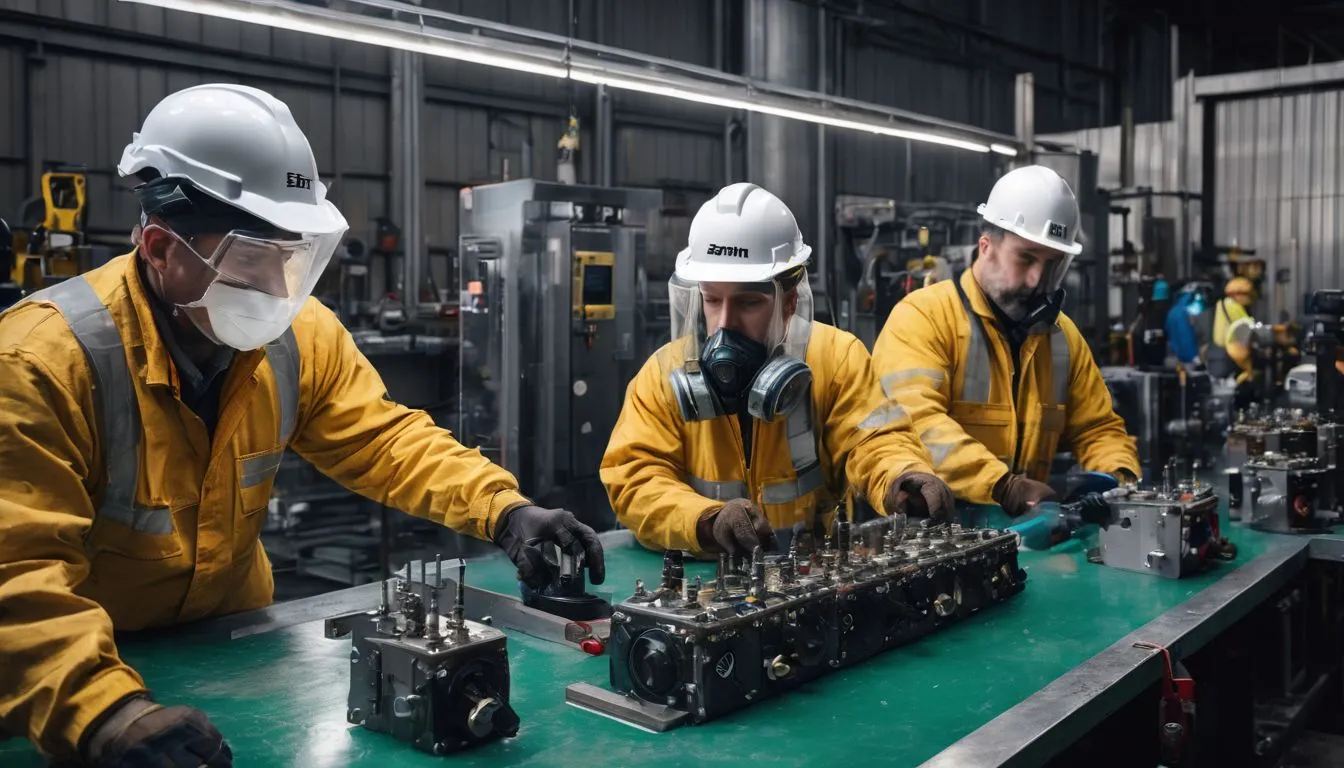
In every workplace, the hidden dangers of energy sources are always present, ready to cause a bit of strife if we’re not careful during maintenance or repairs. We totally get it – that one small oversight can lead to some serious dramas; indeed, stats tell us that sticking to lockout/tagout rules stops around 50,000 injuries each year. Through our yarn today, we’ll share a few clever tricks for boosting safety and efficiency with the help of lockout safety locks – they’re about to become your new best mates on the job. Let’s band together and make sure everyone gets home safe at the end of the day!
What is Lockout/Tagout?
Lockout/Tagout is a safety procedure used in industrial and commercial settings to ensure that dangerous machines are properly shut off and not able to be started up again prior to the completion of maintenance or servicing work.
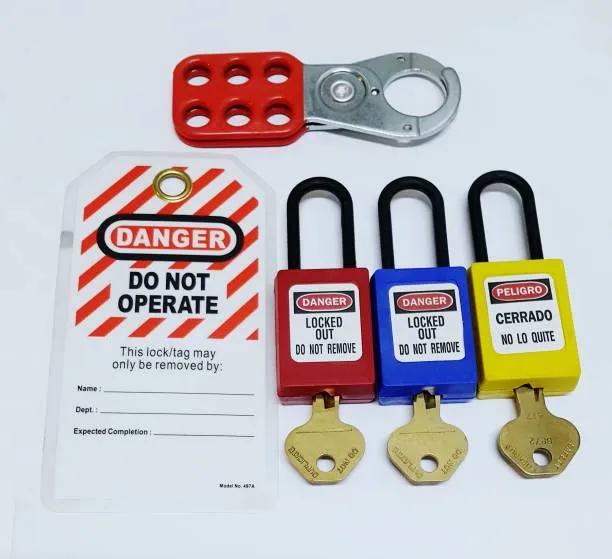
It involves the use of lockout/tagout devices such as locks, hasps, tags, and electrical lockout devices to isolate energy sources and prevent accidents.
Definition
Lockout/Tagout refers to a specific safety procedure used in industrial settings for ensuring that dangerous machines are properly shut off and not able to be started up again before the completion of maintenance or repair work.
We employ lockout devices, like safety padlocks, hasps, and tags, to secure these energy isolation points so that no unexpected startups occur. These procedures protect employees from the release of hazardous energy when they service or maintain their equipment.
By implementing lockout/tagout protocols, we effectively seal off any electrical circuits or mechanical systems until we’re certain it’s safe to resume operations. Once locked out and tagged out, machinery is considered securely isolated from all energy sources – whether electrical, hydraulic, pneumatic or otherwise.
It’s our duty as business owners to ensure this practice becomes second nature within our workplaces. Now let us explore why such measures are critically important for everyone on the shop floor.
Purpose
Having established what lockout/tagout is, it’s crucial to understand its purpose. Lockout/tagout serves as a vital safety measure in industrial settings, ensuring that employees are protected from hazardous energy sources during maintenance or repair of machines and equipment.
By utilising lockout/tagout devices such as padlocks, hasps, and valve lockouts, businesses can effectively prevent accidental activation of machinery while workers perform servicing tasks.
Implementing comprehensive lockout/tagout procedures not only safeguards employee well-being but also helps companies comply with safety regulations and reduce the risk of workplace accidents.
Importance of Lockout/Tagout
Lockout/Tagout is essential for ensuring employee safety and preventing accidents or mishaps. It also helps in complying with safety regulations, making it an indispensable practice in the workplace.
Ensuring employee safety
To ensure employee safety, it is crucial to use high-quality lockout/tagout devices on industrial machines and electrical circuits. Implementing proper lockout procedures prevents accidents and mishaps in the workplace.
By complying with safety regulations and incorporating lockout/tagout devices, businesses can protect their employees from equipment maintenance hazards.
Choosing the right device for specific machinery and providing thorough training and education on lockout/tagout procedures are essential steps in safeguarding employees. It’s imperative to prioritise workplace safety by investing in reliable lockout hasps, padlocks, valve lockouts, electrical lockouts, cable lockouts, and other appropriate devices to effectively manage risk and uphold safety procedures.
Preventing accidents or mishaps
Preventing accidents or mishaps is crucial for maintaining a safe work environment. Implementing lockout/tagout devices helps to minimise the risk of unexpected energisation or start-up of machinery, which could lead to severe injuries or even fatalities.
By using high-quality lockout tagout devices and following proper safety procedures, businesses can effectively protect their employees from hazardous energy sources and safeguard against potential workplace accidents.
Lockout/tagout devices play a pivotal role in preventing unforeseen incidents by ensuring that machines and equipment are properly shut off and not inadvertently activated during maintenance or servicing activities.
Complying with safety regulations
To comply with safety regulations, it is imperative to implement a robust lockout/tagout programme in the workplace. This involves adhering to regulatory standards and guidelines set by local authorities and industry bodies such as ensuring proper training for employees on the use of lockout/tagout devices, conducting regular equipment inspections, and keeping detailed records of all lockout/tagout procedures.
By complying with these regulations, businesses can create a safer work environment for their employees while minimising the risk of accidents or mishaps that could lead to costly fines or legal repercussions.
Implementing an effective lockout/tagout programme not only ensures compliance with safety regulations but also demonstrates a commitment to prioritising employee well-being and upholding industrial safety standards.
It is crucial for businesses to stay updated on any changes in safety regulations and adjust their lockout/tagout practices accordingly, thus maintaining a proactive approach towards workplace safety and risk management practices.
Types of Lockout/Tagout Devices
From padlocks to electrical lockout devices, there are a variety of lockout/tagout devices that are essential for ensuring workplace safety. Learning about the different types can help business owners make informed decisions on implementing them in their workplace.
Padlocks
Padlocks play a crucial role in lockout/tagout procedures, providing a physical barrier to prevent the accidental energisation of equipment. These sturdy locks are available in various sizes and materials, with options for key or combination locks to suit different security needs.
By using padlocks during lockout/tagout processes, employees can confidently secure machinery and electrical systems, knowing that they are protected from unexpected re-energisation.
Investing in high-quality padlocks ensures durability and reliability, further safeguarding the workplace against potential hazards.
Hasps
Moving on from padlocks, another essential lockout/tagout device to consider for your workplace safety is the hasp. Hasps are a crucial component in ensuring that energy sources are properly shut off and locked out during maintenance or servicing tasks.
These devices are designed to secure multiple padlocks, providing an extra layer of protection against unauthorised access or tampering with the equipment.
Hasps play a vital role in allowing more than one worker to lock out a single energy source simultaneously, which is especially beneficial when multiple employees must perform maintenance or repairs.
Lockout tags
Lockout tags are pivotal in the lockout/tagout process, serving as a clear indication that machinery or equipment is not to be operated. These tags provide vital information about who applied the lock and why, reinforcing workplace safety practices.
When used in conjunction with lockout devices, such as padlocks or valve locks, they act as a visual reminder for employees to avoid starting up or using any locked out equipment. Moving forward from this point requires strict adherence to company procedures and OHS guidelines.
Implementing effective lockout tags involves choosing the right type for different applications and conducting thorough training on their usage. Additionally, regular inspection of these tags and ensuring they are compliant with relevant standards is crucial to maintaining a safe work environment.
Valve lockouts
Valve lockouts are crucial for isolating and securing valves, ensuring that they cannot be operated during maintenance or repair work. These devices come in various sizes to fit different valve types and have a locking mechanism that prevents unauthorised use.
When choosing valve lockouts, it’s essential to select the right size and type for each valve in your facility to effectively control hazardous energy sources.
Implementing valve lockouts is pivotal for safeguarding employees against potential accidents or injuries caused by unexpected release of stored energy within the valves. Additionally, using high-quality valve lockout devices is paramount in complying with safety regulations and preventing workplace mishaps.
Educating employees on how these lockout devices function can further enhance workplace safety measures.
Electrical lockout devices
Electrical lockout devices are essential for ensuring the safety of employees working with electrical equipment. These devices effectively isolate power sources to prevent accidental start-ups or releases of stored energy.
Implementing high-quality electrical lockout devices can significantly reduce the risk of electrical accidents and ensure compliance with safety regulations.
Using cable lockouts, valve lockouts, and other specific electrical lockout devices allows for precise isolation of different types of energy sources. Training employees in identifying these devices and their proper usage is crucial for a safe work environment.
Cable lockouts
Moving on from electrical lockout devices, cable lockouts are another essential component of a comprehensive lockout/tagout program. They are designed to secure multiple energy isolation points with one device, making them versatile and efficient.
Cable lockouts typically consist of a multi-strand steel cable housed inside a durable plastic casing, which can be cinched tightly to immobilise equipment or machinery.
These devices enable workers to isolate energy sources by looping the cable around the control panel or power source and then securing it with an integrated locking mechanism. This ensures that the equipment remains inoperative while maintenance or servicing is being conducted.
Incorporating Lockout/Tagout Devices in the Workplace
When it comes to incorporating lockout/tagout devices in the workplace, it’s important to choose the right device and provide adequate training and education for employees. To learn more about the top product lines in lockout/tagout devices, keep reading!
Choosing the right device
When choosing the right lockout/tagout device, consider the specific energy sources and equipment in your workplace.
- Assess the types of machinery, electrical systems, and valves that require locking out or tagging out to determine which devices are suitable.
- Evaluate the size and shape of the devices to ensure they fit securely on different types of equipment without interfering with operations.
- Look for durable materials such as hardened steel or non – conductive plastics to withstand harsh industrial environments and guarantee longevity.
- Check for clear identification features such as colour – coding, labelling, or unique keying systems to prevent confusion during lockout/tagout procedures.
- Consider compatibility with multiple lockout applications, including padlocks, hasps, valve lockouts, and electrical lockout devices to cover a range of safety needs.
- Ensure that your chosen devices meet relevant safety standards and regulations to maintain compliance with industry requirements.
Training and education
Ensuring proper training and education for employees on the use of lockout/tagout devices is crucial in maintaining a safe work environment. It is essential to provide comprehensive training on the importance of using these devices correctly and consistently. Here are key components to include in your training and education programme:
- Conduct regular workshops or seminars demonstrating the correct application of different lockout/tagout devices, emphasising their role in preventing accidents and injuries.
- Develop clear, easy-to-understand guidelines and manuals that outline the proper procedures for using each type of lockout/tagout device, ensuring every employee has access to this information.
- Implement practical demonstrations where employees can practise applying various lockout/tagout devices under supervision to ensure they are comfortable using them in real-life scenarios.
- Offer refresher courses at regular intervals to reinforce the importance of lockout/tagout procedures and keep employees updated on any changes or new devices introduced in the workplace.
- Provide opportunities for employees to ask questions or seek clarification regarding the correct usage of lockout/tagout devices, fostering a culture of transparency and continuous learning within your organisation.
Top Product Lines in Lockout/Tagout Devices
Explore the top product lines in lockout/tagout devices and learn about their features and benefits. Find out why using high-quality devices is essential for workplace safety. Read on to discover more about these indispensable tools for employee protection.
Features and benefits
Lockout/tagout devices offer a range of features and benefits that are essential for maintaining a safe work environment. Here are some key advantages of using these safety locks:
- Enhanced Safety: These devices provide an additional layer of protection, ensuring that machinery or equipment cannot be operated while maintenance or servicing is being performed.
- Universal Application: Lockout/tagout devices can be used across various industries and settings, making them versatile tools for ensuring workplace safety.
- Visual Communication: The use of lockout tags and brightly coloured locks provides clear visual indicators to alert employees about the status of equipment, adding extra layers of safety measures.
- Compliance with Regulations: Utilising lockout/tagout devices helps businesses to comply with occupational health and safety regulations, avoiding potential fines or penalties.
- Preventing Accidents: By effectively isolating hazardous energy sources, these devices significantly reduce the risk of accidents and injuries in the workplace.
- Standardisation: Implementing standardised lockout/tagout procedures helps streamline maintenance operations and ensures consistent safety practices throughout the organisation.
- Employee Empowerment: Providing employees with access to lockout/tagout devices empowers them to take an active role in their own safety and the safety of their colleagues.
Importance of using high-quality devices
Selecting high-quality lockout/tagout devices is crucial for maintaining a safe work environment. These devices are designed to withstand rigorous use and provide reliable protection, ensuring the safety of employees and compliance with regulations.
By investing in top-quality lockout/tagout devices, businesses can minimise the risk of accidents and potential liabilities.
High-quality lockout/tagout devices offer durable construction and secure locking mechanisms, providing peace of mind knowing that equipment is effectively isolated. Additionally, these devices often come with innovative features such as customizability and compatibility with various types of machinery, making them versatile solutions for different workplace scenarios.
Conclusion
We have explored the crucial role of lockout safety locks in safeguarding employee well-being and preventing workplace mishaps. The practicality and efficiency of employing lockout/tagout devices were highlighted, emphasising their ease of implementation and significant impact on workplace safety.
Selecting the right device and providing adequate training can make a tangible difference in ensuring a secure work environment. Business owners should consider incorporating top product lines in lockout/tagout devices to further bolster workplace safety. As you prioritise safety measures, remember that your commitment to these strategies is essential for protecting your most valuable asset – your employees.
Sorting out lockout for your own site?
Describe what needs isolating and we'll help you work out the setup that fits.