
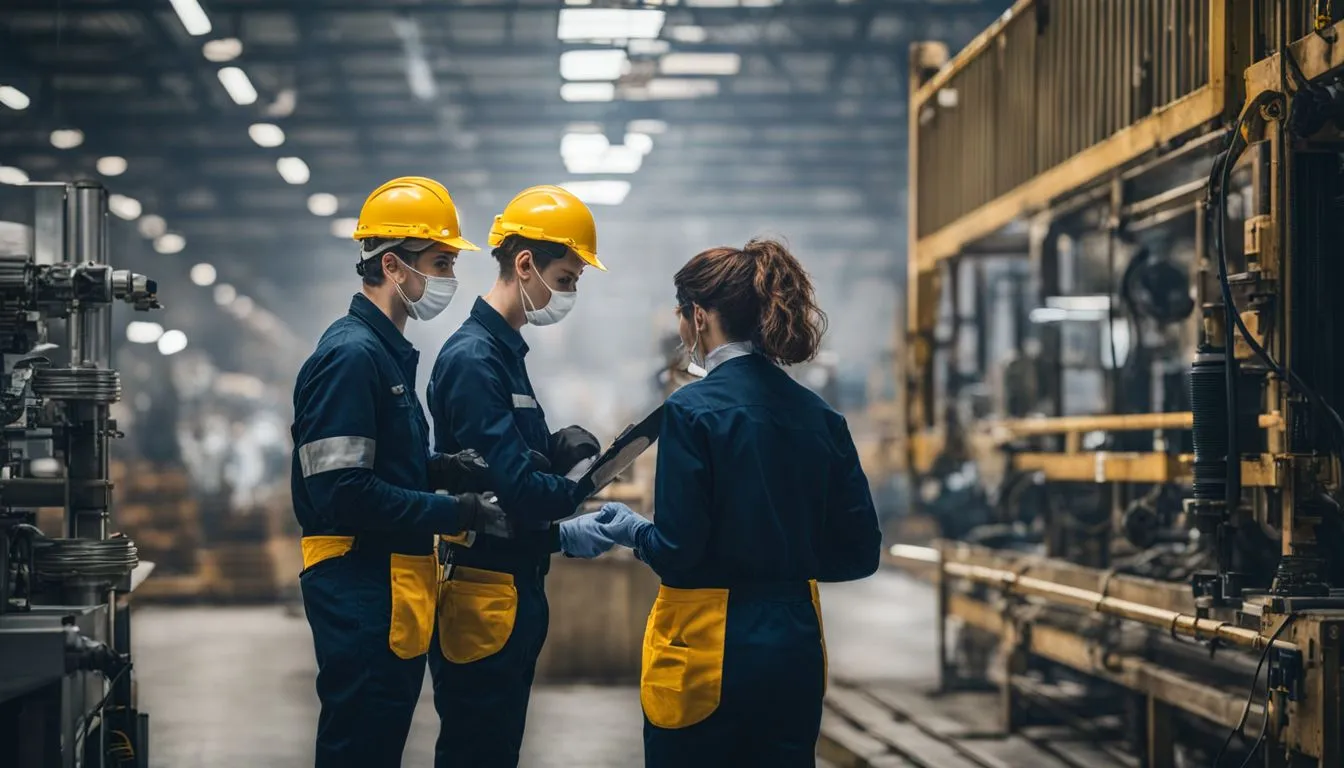
Creating safer workplaces is a mission close to our hearts. Like you, we’ve stared down the dangers and been on the hunt for top-notch ways to keep everyone protected. Our deep dive has shown us that improving safety isn’t just ticking boxes – it’s about shifting our whole mindset to avoid harm.
Brace yourselves; you’re about to get schooled in how we can all make a difference.
The Evolution of Safety Science

Safety science has undergone significant theoretical developments over the years. Major accidents have also influenced its evolution, shaping it into a dynamic field.
Theoretical Developments
We’ve seen considerable progress in theoretical developments that underlie safety innovations. This journey includes a deep dive into cognitive science and the mechanics behind how we perceive risk, make decisions, and develop safety measures.
These insights help us craft more effective strategies for workplace safety advancements. They guide us in designing systems that not only prevent accidents but also foster a culture of organisational safety improvement.
Exploring these theories allows us to challenge old notions and embrace new methodologies in occupational health technology. It shifts our focus towards creating environments where safety solutions are integrated seamlessly into daily operations.
Their understanding of these theoretical foundations paves the way for translating complex concepts into actionable practices tailored specifically for industries like automotive, demolition, and manufacturing.
Next, we’ll examine how major accidents have influenced the evolution of safety science.
Influence of Major Accidents

Major accidents have historically played a significant role in shaping the landscape of safety innovations. These incidents not only highlight vulnerabilities within systems but also propel advancements in safety engineering, workplace safety, and occupational health technology.
They serve as wake-up calls that drive industries to develop new safety measures, improve existing protocols, and invest in cutting-edge research to prevent future occurrences.
Following these events, we see a surge in the implementation of stricter regulations and standards across various sectors. Companies begin prioritising the development of a robust safety culture among their employees.
This shift towards enhancing organisational safety improvements reflects an understanding that preventing major accidents is not just about compliance but also about safeguarding human lives and securing business operations against unforeseen disruptions.
The Changing Landscape of Occupational Health and Safety
Occupational health and safety are evolving in response to the growing complexities of Industry 4.0 and the increasing role of risk assessment. Companies are tailoring their safety measures towards an ever-evolving landscape, underpinning the importance of proactive risk management in the world of workplace safety advancements.
Industry 4.0 Era

We find ourselves amid the Industry 4.0 era, an exciting time where technology advancements reshape how we approach occupational health and safety. This phase brings to the forefront smart technologies like AI, IoT (Internet of Things), and robotics, transforming traditional safety measures into dynamic systems that predict risks before they become incidents.
In this new age, our focus shifts towards integrating these technologies to enhance workplace safety standards. We harness data analytics for real-time monitoring and decision-making, ensuring a safer environment for employees.
Safety innovations now rely heavily on digital tools that offer precision and adaptability previously unimaginable in organisational safety practices.
The Role of Risk Assessment
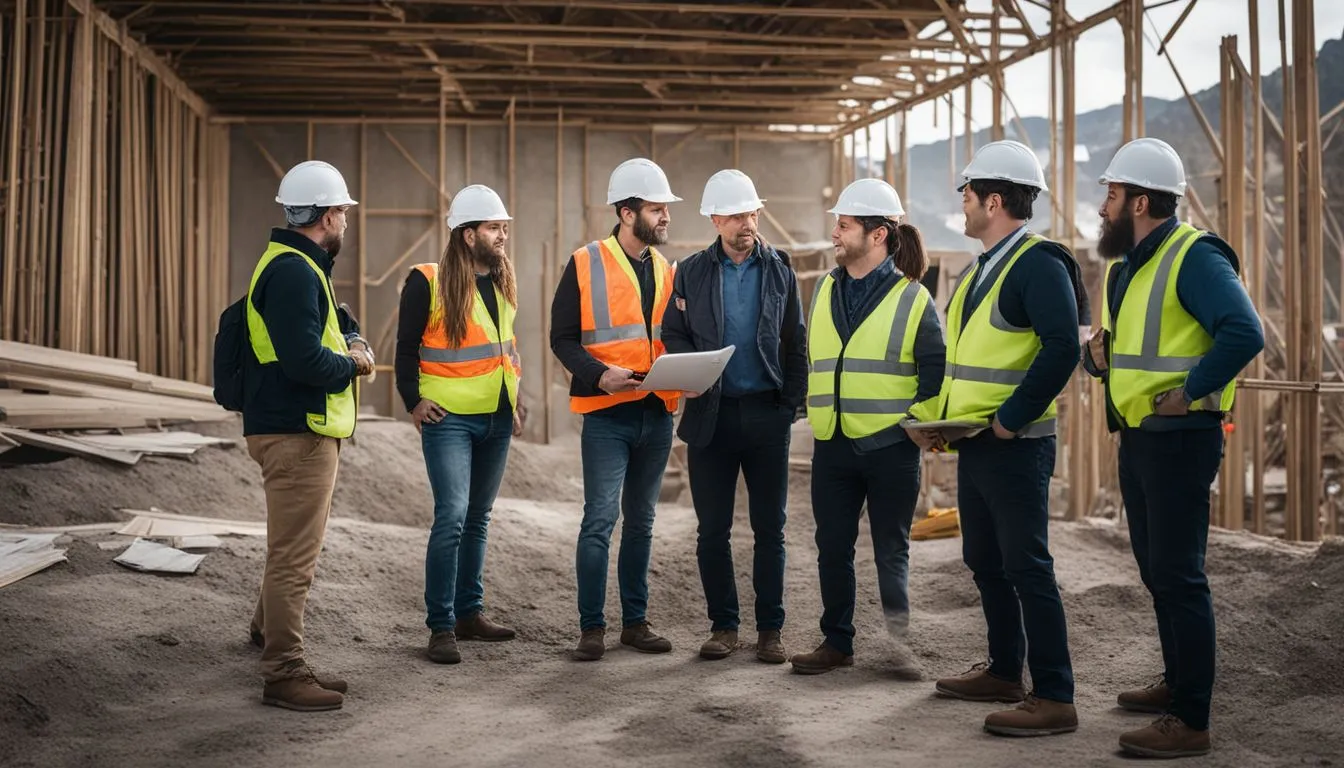
Risk assessment plays a critical role in shaping the safety culture within industries. It allows us to identify potential hazards before they become incidents, ensuring workplace safety advancements are always a step ahead.
Through this process, we evaluate risks associated with occupational health and implement measures to mitigate them effectively.
Employing risk assessment strategies leads to innovations in safety engineering and the development of more reliable safety systems. This proactive approach not only protects employees but also supports business continuity by minimising disruptions caused by accidents or emergencies.
In essence, risk assessment is foundational to maintaining a safe working environment while driving organisational safety improvements.
Understanding Safety Innovations
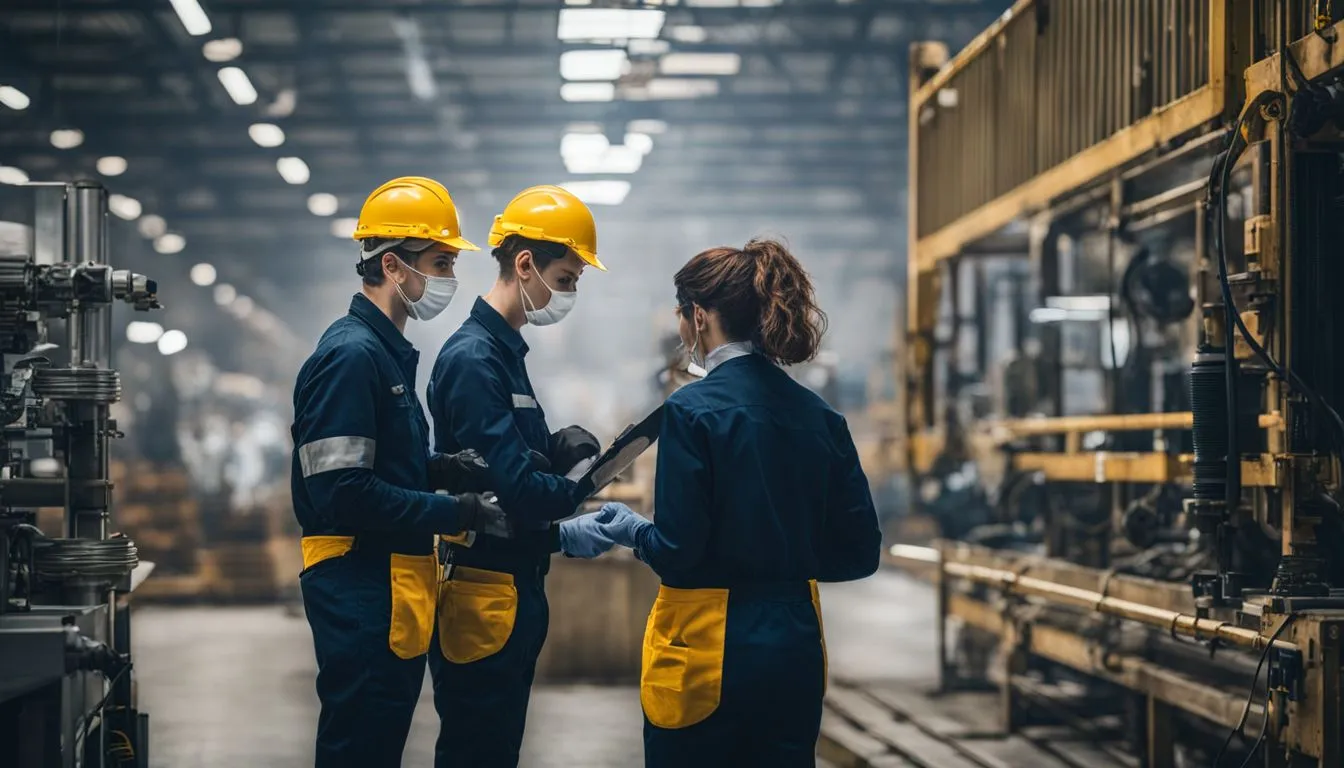
Understanding safety innovations involves analysing the inherent safety in industries, tracking the evolution of accident models, and introducing risk concepts. Safety professionals actively implement these changes in workplace practices and policies to ensure ongoing improvement.
Inherent Safety in Industries
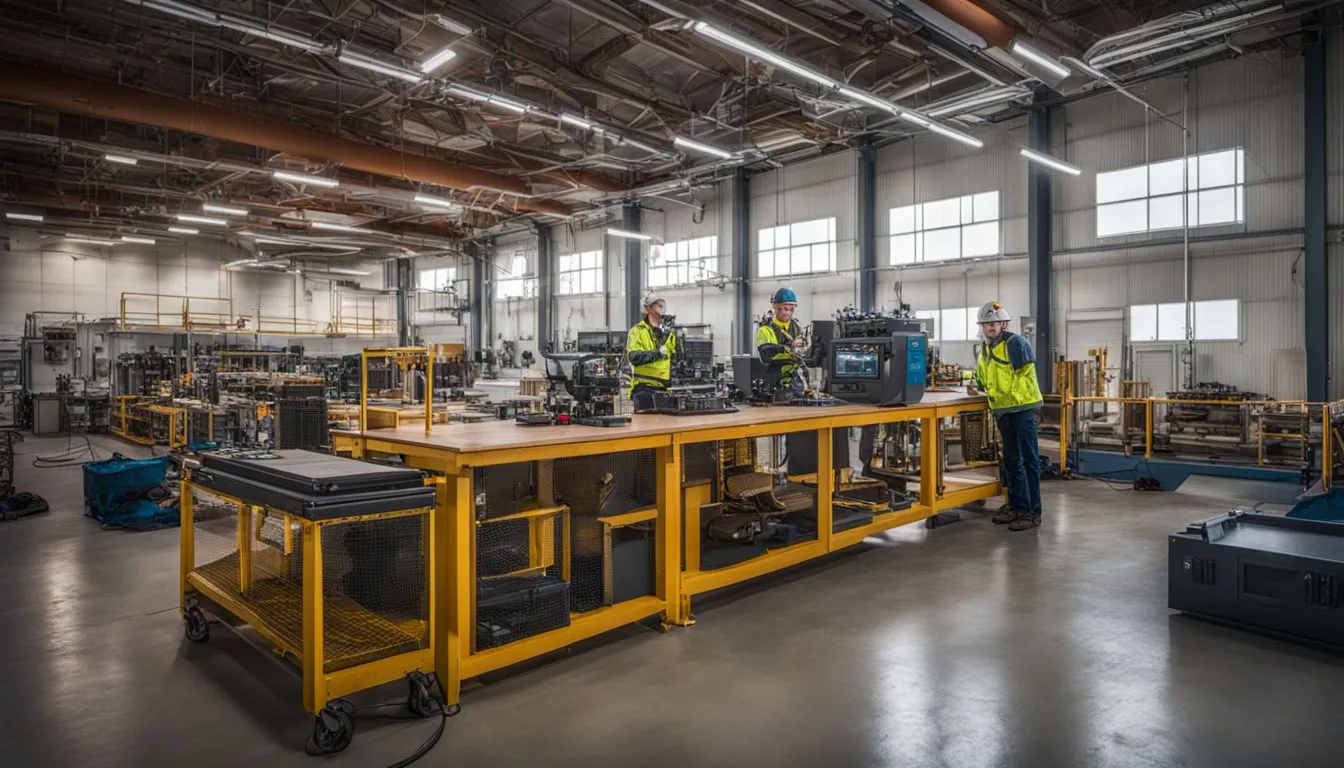
We focus on making industries inherently safer by integrating safety innovations from the ground up. This means designing processes and systems with built-in safety mechanisms that prevent accidents even before they can occur.
It’s about foreseeing potential hazards and eliminating them, rather than just controlling risks after they’ve been identified. Our approach ensures that occupational health and workplace safety are not afterthoughts but key components of the initial design phase.
Our commitment to inherent safety drives us to adopt technologies for industrial safety that streamline operations whilst prioritising employees’ well-being. We implement mechanical safety solutions, refine safety engineering practices, and leverage advancements in safety science to create an environment where productivity and protection go hand in hand.
By embedding these principles into every aspect of our work, we champion a culture of organisational safety improvements that benefit everyone involved.
Evolution of Accident Models

Turning from the concept of inherent safety in industries, we now explore how accident models have transformed over time. This shift reflects our growing understanding of risk and prevention strategies.
Early models often oversimplified accidents as linear events with direct causes and effects. These models failed to capture the complex interplays at work.
Today, we embrace more dynamic frameworks that recognise accidents as the result of systemic failures and multiple interacting factors. Models like the Swiss Cheese model illustrate how multiple layers of defence can fail, leading to an accident.
This evolution underscores a broader shift towards holistic safety innovations, emphasising not just mechanical fixes but organisational and behavioural changes too. Our approach integrates these insights into practical solutions that enhance workplace safety advancements and occupational health technology across all sectors.
Introduction of Risk Concepts

Building on the evolution of accident models, we turn our focus to the introduction of risk concepts. Risk is at the core of all safety innovations and plays a critical role in shaping workplace safety advancements.
We demystify these concepts for business owners by stripping away heavy jargon, making it easier to understand how risks are identified, assessed, and managed.
In our exploration, we highlight practical approaches to risk management that can significantly enhance organisational safety. By adopting these methodologies, businesses not only safeguard their workforce but also contribute positively to their bottom line.
This shift towards understanding and implementing risk management strategies marks a pivotal move in strengthening safety culture across industries.
Technological Advancements in Safety Innovations

Technological advancements drive the evolution of safety innovations, constantly improving workplace safety. Safety engineering integrates cutting-edge technology to enhance safety mechanisms and systems.
Cutting-edge automotive safety features exemplify how technology advances mechanical safety in a dynamic society.
The Role of Locking Brackets
Locking brackets play a crucial role in ensuring the security and stability of various safety equipment. These innovative brackets provide a secure locking mechanism, preventing accidental dislodgement or movement of safety devices.
This not only enhances the overall effectiveness but also ensures the protection of workers and assets within industrial environments. Additionally, locking brackets contribute to operational efficiency by providing a reliable solution that minimises downtime and maintenance efforts associated with safety equipment.
These robust and dependable mechanisms underscore our commitment to workplace safety, aligning with global standards for occupational health and safety. Incorporating locking brackets into safety systems is essential in upholding industry best practices while adhering to stringent regulatory requirements, mitigating risk factors effectively across diverse work settings.
Safety Practices in Different Global Contexts
Exploring safety practices in various global contexts offers valuable insights into different approaches to workplace safety. Different countries, such as the United States, European Union, United Kingdom, China, and India each have their own unique safety regulations and standards tailored to their specific industrial landscapes.
United States, European Union, United Kingdom, China, and India
In our exploration of safety innovations across various global contexts, we’ve observed significant differences and similarities in practices and regulations. Whether it’s in the United States, European Union, United Kingdom, China, or India, each region has its unique approach to ensuring workplace safety, which is critical for business owners everywhere to understand. Given the diversity in regulatory environments and cultural attitudes towards safety, we’ve summarized the key points in a comparative table format to provide a clear, concise overview.
| Region | Key Safety Practices | Regulatory Body |
|---|---|---|
| United States | Emphasis on worker training and education, widespread adoption of technology for hazard detection. | Occupational Safety and Health Administration (OSHA) |
| European Union | Strong regulatory frameworks, focus on prevention through design, and cross-border cooperation on safety standards. | European Agency for Safety and Health at Work (EU-OSHA) |
| United Kingdom | Comprehensive risk assessment protocols, legal emphasis on employer responsibility for safety. | Health and Safety Executive (HSE) |
| China | Rapid development of safety laws, increasing use of digital and smart technologies in monitoring workplace safety. | State Administration of Work Safety |
| India | Recent reforms to consolidate and update safety regulations, growing public and governmental focus on safety training. | Directorate General Factory Advice Service & Labour Institutes (DGFASLI) and State Governments |
This table offers a snapshot of how different regions tackle the complex issue of safety in the workplace. Each region brings its strategies and regulatory approaches to the fore, reflecting cultural values, economic conditions, and technological advancements. As business owners, staying informed of these global practices not only helps in ensuring compliance when operating internationally but also in adopting best practices that could prevent accidents and save lives. We see this as an ongoing journey, with each step taken towards safety innovation bringing us closer to a safer work environment for all.
The Role of Training in Safety Innovations

Training programs for safety professionals play a crucial role in equipping individuals with the necessary skills and knowledge to ensure workplace safety. Dive into the world of training innovations by exploring how these tailored programs enhance safety culture and technology advancements, setting the stage for a safer work environment.
Training by Discussion
Training through interactive discussion is a crucial part of fostering an organisational safety culture. Engaging employees in open dialogues about safety protocols and best practices not only enhances their understanding but also encourages active participation.
These discussions provide a platform for sharing real-world experiences, addressing concerns, and brainstorming solutions collaboratively to improve workplace safety. Utilising this training method ensures that employees are well-versed in safety measures, allowing them to confidently navigate complex work environments while adhering to the highest standards of safety.
Moving forward, let’s explore the pivotal role of Training Programs for Safety Professionals as a catalyst for advancing workplace safety standards.
Training Programs for Safety Professionals
We transition from the importance of training by discussion to the necessity of more structured training programmes for safety professionals. These programmes are crucial to equip safety professionals with the necessary skills and knowledge to address the evolving challenges in workplace safety. Here’s a detailed look at this topic:
- Tailored Curriculum: Training programmes offer a tailored curriculum that covers a range of topics such as risk assessment methodologies, safety regulations, and emerging technologies.
- Hands-On Experience: These programmes provide hands-on experience with safety equipment and protocols, ensuring that professionals are well-versed in applying theoretical knowledge to real-world situations.
- Regulatory Compliance Training: Safety professionals receive training on compliance with industry-specific regulations and standards, enabling them to navigate the complex realm of occupational health and safety laws.
- Technological Integration: Programmes incorporate training on leveraging technological advancements for enhancing workplace safety, ensuring that professionals stay updated on the latest safety solutions.
- Leadership Development: In addition to technical skills, these programmes focus on developing leadership qualities among safety professionals, preparing them for effective management in challenging environments.
- Continuous Learning Opportunities: Programmes emphasise continued professional development through ongoing workshops, webinars, and access to resources, encouraging a culture of lifelong learning in the field of workplace safety.
- Practical Scenario Simulations: Through scenario-based simulations, professionals are trained to handle emergencies and crisis situations effectively, promoting readiness under pressure.
- Networking Opportunities: Training programmes facilitate networking among safety professionals, enabling them to share best practices and learn from each other’s experiences in improving organisational safety measures.
- Industry Insights: Professionals gain valuable insights from experienced practitioners within their industry through guest lectures and case studies that bring real-world perspectives into their learning journey.
- Accreditation and Certifications: These programmes often lead to industry-recognised certifications, validating the expertise of safety professionals while bolstering their credibility within their organisations and industries.
The Influence of Safety Metaphors and Theories

Safety metaphors and theories shape our understanding of occupational safety practices, driving innovation and fostering a proactive approach. Read on to explore how these concepts underpin the ever-evolving realm of workplace safety.
Review of Occupational Safety Literature
The review of occupational safety literature provides valuable insights into the evolution of safety management practices and the adoption of innovative approaches. By delving into this extensive body of research, business owners can gain a deeper understanding of the foundational principles that underpin workplace safety.
This comprehensive analysis not only sheds light on historical developments but also highlights cutting-edge advancements in safety engineering, cognitive science, and organisational safety improvements.
Engaging with this wealth of knowledge equips business owners with the tools to tailor bespoke safety solutions towards ever-evolving challenges and complexities within the realm of occupational health and technology for industrial safety.
Our suite includes actionable guidance gleaned from meticulously curated literature, offering practical advice for integrating modern advancements in workplace safety culture development and technology innovations.
Influence on Safety Management
Safety management is greatly influenced by the evolving safety metaphors and theories. By reviewing occupational safety literature, we gain valuable insights that underpin safety management strategies.
This proactive approach allows us to tailor our safety practices towards ever-evolving risks in an everchanging society.
Occupational safety literature not only dives into the complexities of workplace safety but also seeks more than just solutions. It is designed to enhance our suite of risk management tools, unlocking secrets that can help businesses navigate the daunting realm of organisational safety.
The Future of Safety Innovations

The future of safety innovations involves developments in inherent safety and risk management to meet the challenges of a dynamic society. To learn more about these advancements, delve into our comprehensive exploration of safety innovations.
Developments in Inherent Safety
Inherent safety continues to advance, underpinning the evolution of safety mechanisms in various industries. Innovations in this realm are tailored towards ever-evolving workplace safety measures.
The world of occupational health and safety is seeking more than just traditional methods; it delves into the complexities of inherent safety strategies designed to enhance organisational safety culture.
These advancements unlock and unveil the secrets of safer work environments, providing robust solutions for business owners.
Risk Management in a Dynamic Society
Turning from the developments in inherent safety, we now focus on risk management in a dynamic society. Our suite of safety practices must be adaptable to ever-changing landscapes and industries, not only tailoring towards current complexities but also preparing for future challenges.
In this ever-evolving realm, it is advisable to adopt proactive risk assessment and robust safety measures designed to enhance organisational resilience amidst daunting uncertainties.
Furthermore, embracing innovative strategies for risk management can unlock the secrets of safeguarding against potential hazards and unforeseen circumstances.
Future Challenges
The ever-changing landscape of occupational health and safety presents business owners with future challenges in adopting cutting-edge safety innovations. Embracing developments in inherent safety and risk management will be essential to keep up with the dynamic society’s demands.
Balancing these advancements with the evolving regulatory environment adds complexity, requiring meticulous attention to detail to ensure compliance while pushing boundaries.
Technology for industrial safety continues to advance, demanding tailored solutions that safeguard against emerging risks without hindering productivity or efficiency. Meeting these challenges head-on will be crucial for business owners aiming to stay at the forefront of workplace safety innovation.
Case Studies of Safety Innovations
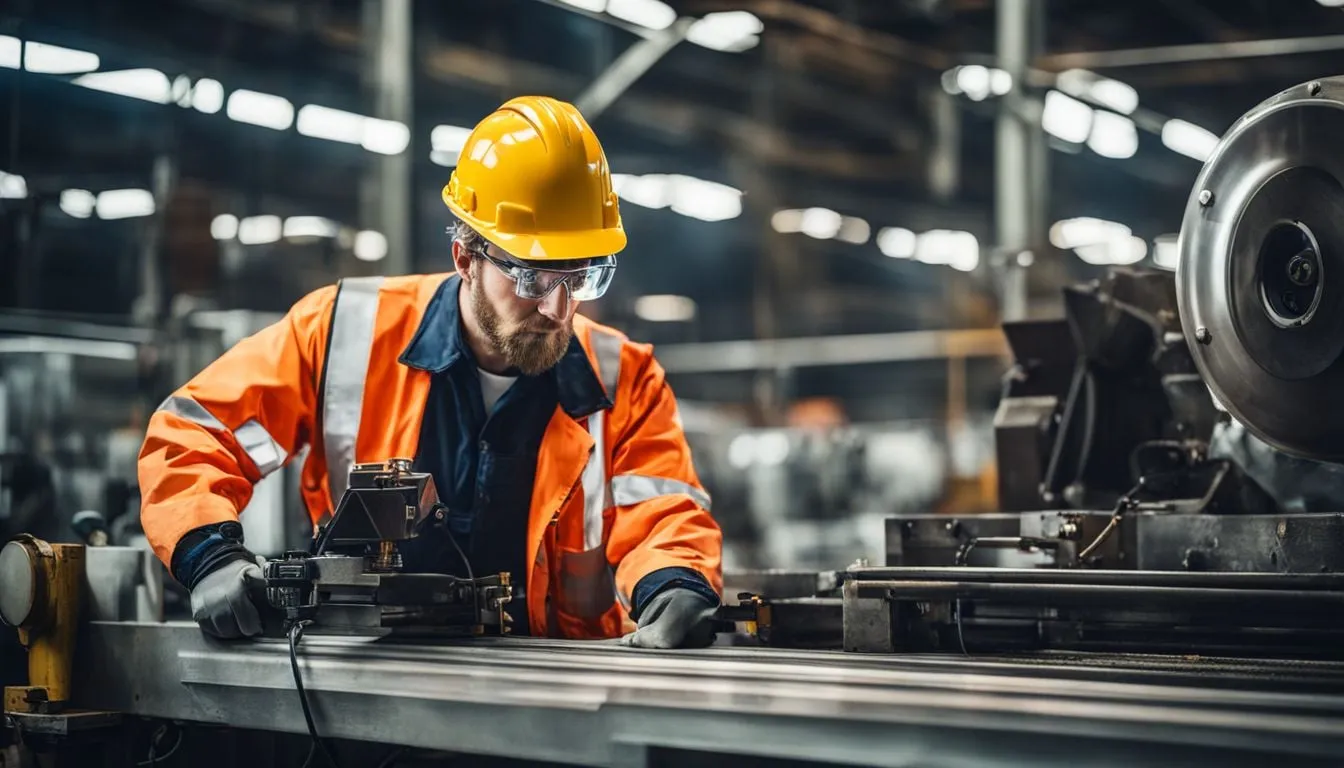
Case studies of safety innovations offer insights into different sectors like the building, chemical industries, and manufacturing enterprises. These real-world examples provide valuable lessons on how to improve workplace safety through technological advancements and organisational practices.
Safety in the Building Sector
In the building sector, safety measures form the bedrock of every construction project. Our suite of safety innovations underpins not only flawless execution but also ensures that all workers remain safe and secure throughout the project’s lifecycle.
Advanced locking brackets play a pivotal role in enhancing on-site safety, providing robust support to structures and preventing potential hazards during construction activities. Moreover, risk assessment practices tailored towards this sector are meticulously designed to enhance workplace safety by unlocking the secrets of accident prevention and ensuring minimal downtime due to unforeseen mishaps.
The proactive integration of technological advancements in safety engineering within the realm of building projects has paved the way for ever-evolving safety systems. These cutting-edge tools are seeking more than just compliance; they empower businesses to dive into an era where predictive maintenance is no longer daunting but becomes intrinsic to daily operations, which is advisable for mitigating risks associated with structural flaws or equipment failures.
Safety in Chemical Industries
Chemical industries prioritise safety measures to prevent accidents and protect employees. The implementation of comprehensive risk assessment procedures underpins the safety protocols in these industries, ensuring meticulous attention to potential hazards.
Innovative technologies, such as advanced chemical monitoring systems and automated emergency response mechanisms, enhance the safety measures in place. Companies conduct tailored training programmes for employees to navigate complexities effectively and promote a strong safety culture.
Safety engineering advancements not only minimise operational risks but also contribute towards sustainable practices within the ever-evolving chemical industry. The introduction of cutting-edge locking brackets and advanced safety mechanisms further enhance workplace safety, fostering a secure environment for all personnel involved in chemical operations.
Safety in Manufacturing Enterprises
Manufacturing enterprises prioritise workplace safety to ensure the well-being of employees. Implementing stringent safety measures minimises the risk of accidents and promotes a secure working environment.
Safety engineering solutions, such as machine guarding and automated emergency shutdown systems, form essential components in enhancing workplace safety. Regular maintenance of equipment and continuous training for employees contribute towards establishing a robust safety culture within manufacturing facilities.
Innovation in safety technology has revolutionised manufacturing enterprises by introducing advanced protective gear and real-time monitoring systems. The incorporation of smart sensors in machinery enhances operational efficiency while ensuring employee safety.
Conclusion
After exploring safety innovations, we’ve witnessed the dynamics that drive progress in workplace safety. We learned about the evolution of safety science, technological advancements, and global safety practices.
These insights underline the practicality and efficiency of implementing modern safety measures worldwide.
Understanding these strategies is crucial for their real impact on organisational safety and employee well-being. Moreover, delving into case studies emphasises their importance in shaping a safer future for industries globally.
As you navigate this realm of occupational health and safety, remember to seek more than just compliance with regulations.
Continuing your exploration of these topics will unlock the secrets to maintaining robust workplace safety systems. Picture this: by tailoring these strategies towards ever-evolving risks in your industry, you not only ensure compliance but also enhance overall operational resilience.
For an in-depth exploration of the technological strides being made to bring about safer working environments, particularly through the application of locking brackets, delve into our detailed analysis here.
Sorting out lockout for your own site?
Describe what needs isolating and we'll help you work out the setup that fits.