
Are you finding yourself in a bit of a pickle with the whole Lockout Tagout (LOTO) procedures for your business? Don’t feel alone, mate, it can be a real doozy especially when trying to understand how best to use padlocks.
In fact, not getting this right can seriously go pear-shaped and lead to accidents – OSHA states nearly 10% of serious workplace mishaps happen because we don’t properly control hazardous energy.
No worries though! This article is here to make sense out of all those LOTO safety measures involving padlocks so that potential hazards stay at bay. Let’s put on our Aussie thinking caps and unlock some safety wisdom together, shall we?

What is Lockout Tagout (LOTO)?
Lockout Tagout (LOTO) is a pivotal safety procedure used in industries to ensure that machines and equipment are properly shut off and not unexpectedly started up again. This procedure reduces the risk of accidents during maintenance or repair, ensuring employee protection from hazardous energy.
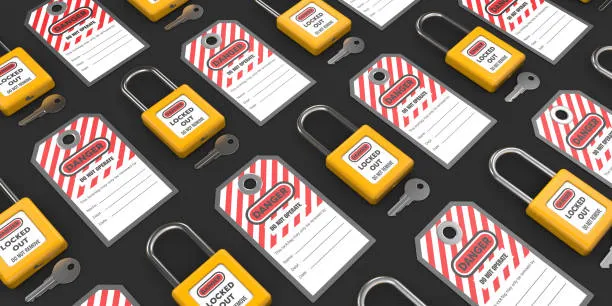
LOTO involves disabling machinery or equipment, thereby isolating it from the energy source it’s connected to. It’s a two-part protocol where ‘lockout’ refers to the use of lockable devices such as padlocks on power controls, preventing accidental re-energization.
Meanwhile, ‘tagout’ involves attaching warning tags on these locked devices. These tags visually indicate that the equipment mustn’t be operated until removed by authorised personnel only.
Together, this strict process ensures machine deenergization and employee safety maximisation within an industrial setting.
Importance of LOTO in Workplace Safety
The importance of Lockout Tagout (LOTO) in workplace safety cannot be overstated. LOTO is a crucial procedure that helps prevent accidental startup of equipment and ensures employee safety.
Understanding the difference between lockout and tagout, following OSHA standards, and implementing proper procedures are essential for compliance and minimising risk.
Difference between Lockout and Tagout
Lockout and Tagout (LOTO) are two important safety procedures that businesses must implement to protect their employees from hazardous energy sources. While both Lockout and Tagout serve the same purpose of preventing accidental startup of machines or equipment, there is one key difference between the two.
Lockout involves physically isolating the energy source by using a lock to secure it in the off position. This ensures that no one can accidentally or intentionally turn on the equipment while maintenance or repairs are being performed.
Lockout devices, such as padlocks, provide a visual indication that the equipment should not be operated.
On the other hand, Tagout uses tags instead of locks to warn others about the potential dangers associated with energised equipment. Tags are attached to locked-out machinery or power sources with clear warnings like “Do Not Operate” or “Danger.” Tags alone do not provide physical isolation but act as a reminder for employees not to operate machinery while maintenance work is ongoing.
OSHA Standard and Exceptions
The OSHA standard for lockout/tagout procedures is a crucial guideline to ensure workplace safety. It requires employers to establish an energy control program that includes proper lockout/tagout procedures for hazardous energy sources.
These procedures must be written, implemented, and followed by all employees involved in servicing or maintenance of machinery and equipment. Exceptions to the standard include minor servicing activities where the employer can prove there is no risk of unexpected startup, as well as certain inspection tasks that do not involve actually servicing or maintenance.
Compliance with these standards is essential for employee protection and prevention of accidents caused by the accidental release of hazardous energy.
Violations and Consequences
We must be aware that failing to comply with lockout tagout (LOTO) procedures can have serious consequences for both the business and its employees. Violations of LOTO regulations can result in hefty fines from regulatory agencies, legal liabilities, and damage to the company’s reputation.
More importantly, non-compliance puts employees at risk of serious injuries or even fatalities. By properly implementing LOTO programs and using effective lockout devices such as padlocks, we can minimise these risks and ensure the safety of everyone in the workplace.
Let’s prioritise compliance and protect our employees from the devastating consequences of LOTO violations.
How to Properly Implement a LOTO Program
To properly implement a LOTO program, we need to establish a clear policy and procedures, provide comprehensive training and communication, and regularly conduct compliance audits.
Learn more about these essential steps in ensuring workplace safety. Read on to find out!
Establishing a LOTO Policy and Procedures
We understand the importance of workplace safety and that’s why establishing a Lockout Tagout (LOTO) policy and procedures is crucial. Our focus is on creating a clear set of guidelines to ensure the proper implementation of LOTO in your organisation.
By developing a comprehensive LOTO policy, you can provide your employees with the necessary tools and knowledge to protect themselves from potential hazards.
To begin, it is important to clearly define the who, what, when, and how of lockout procedures in your policy. This includes specifying which authorised employees are responsible for implementing LOTO measures, identifying equipment access restriction requirements, outlining proper lockout procedures for different types of energy sources, and ensuring compliance with legal regulations.
By establishing these protocols upfront, you can minimise accidental startups and maximise employee safety.
In addition to having a well-defined policy in place, it’s essential to establish robust procedures that complement it. These should include training sessions for all personnel involved in LOTO processes as well as effective communication channels for reporting any concerns or issues related to lockout/tagout devices.
Regular compliance audits will help identify areas that need improvement while reinforcing the importance of following established LOTO procedures at all times.
Training and Communication
To ensure the successful implementation of a Lockout Tagout (LOTO) program, proper training and communication are essential. We provide comprehensive training sessions for employees to educate them about lockout safety procedures.
Our training covers topics such as the importance of LOTO, different types of lockout devices, and proper lockout procedures. Additionally, we emphasise the significance of effective communication among team members to ensure everyone is aware of equipment access restrictions and potential hazards.
By maximising employee safety through training and open communication, we promote a safe work environment where risks are minimised, compliance regulations are met, and equipment maintenance can be performed safely.
Compliance and Auditing
To ensure the effectiveness of your lockout safety procedures, compliance and auditing are essential. Regularly reviewing and assessing your program helps identify any areas that may need improvement or adjustment.
Conducting audits ensures that employees are following proper lockout procedures, reducing the risk of accidents and injuries. Compliance with regulatory requirements is also crucial to avoid penalties and legal issues.
By staying on top of compliance and conducting regular audits, you can maximise employee safety, minimise the risk of accidental startup, and protect your business from potential liabilities.
Types of Lockout Devices
There are several types of lockout devices that can be used to enhance lockout safety procedures. Some examples include energy isolating devices, lockout and tagout devices, and LOTO boxes.
Energy Isolating Devices
Energy isolating devices are an essential part of a lockout safety procedure. These devices help to prevent accidental startup or release of hazardous energy during equipment maintenance or repair.
By physically blocking access to power sources, such as switches or valves, they ensure that machines are de-energized and cannot be operated while work is being done. Energy isolating devices come in various forms, including lockable disconnect switches, circuit breakers with lockable handles, and ball valve locks.
Using these devices increases visibility and provides a clear visual indication that equipment is isolated for safety purposes.
Lockout and Tagout Devices
Lockout and tagout devices are essential tools for implementing effective lockout safety procedures in the workplace. These devices play a crucial role in preventing accidental startup of machinery and maximising employee safety.
Lockout devices, such as padlocks, provide a visual indication that equipment is being serviced or repaired and restrict access to power sources, reducing the risk of injuries caused by unexpected energization.
Tagout devices, on the other hand, provide important information about the maintenance being performed and act as a secondary means of warning employees about potential hazards. By using these lockout and tagout devices properly, business owners can ensure compliance with safety regulations while protecting their employees from hazardous energy risks during equipment maintenance or repair.
LOTO Boxes
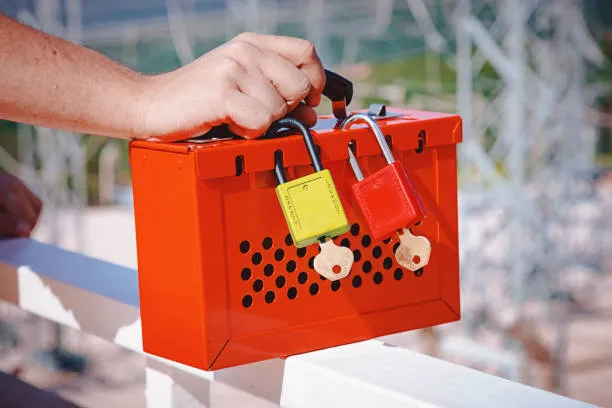
LOTO boxes are an essential component of a successful lockout tagout (LOTO) program. These boxes provide a secure and organised space to store lockout devices, such as padlocks and tags, when not in use.
With their durable construction and clear labelling, LOTO boxes help employees easily identify the right lockout device for each task. By keeping all necessary equipment in one place, LOTO boxes ensure that employees have quick access to the tools they need to safely isolate energy sources during maintenance or repair work.
Additionally, LOTO boxes can be equipped with locking mechanisms to restrict unauthorised access and prevent tampering with the lockout devices inside. Using LOTO boxes increases visibility of lockout procedures and reinforces employee safety by minimising accidental startup risks.
Advancements in LOTO Technology
Advancements in LOTO technology have revolutionised lockout safety procedures. With electronic lockout systems, wireless communication and monitoring, and mobile applications, businesses can now enhance their lockout programs for increased efficiency and employee safety maximisation.
Furthermore, these advancements provide future trends that will continue to improve the effectiveness of LOTO procedures in the workplace.
Electronic Lockout Systems
Electronic lockout systems are a technological advancement in lockout safety procedures that provide enhanced control and convenience. These systems utilise electronic devices to securely restrict equipment access and prevent accidental startup, maximising employee safety.
With these systems, employees can easily isolate machines by using digital key codes or biometric authentication instead of traditional padlocks. The electronic devices also provide visual indications, such as LED lights or digital displays, which increase visibility and ensure proper lockout procedures are followed.
Overall, electronic lockout systems offer a more efficient and reliable way to protect employees from hazardous energy sources during equipment maintenance or repair tasks.
Wireless Communication and Monitoring
We utilise wireless communication and monitoring systems to enhance our lockout safety procedures. These advanced technologies allow us to remotely monitor and control equipment, ensuring that it is properly locked out and deenergized.
With wireless communication, we can receive real-time alerts and notifications about any potential hazards or unauthorised access attempts. This not only increases the visibility of our lockout processes but also maximises employee safety by preventing accidental startups.
By incorporating these wireless technologies into our LOTO program, we are able to comply with safety regulations and protect our employees from the risks associated with hazardous energy sources.
Mobile Applications
Mobile applications have revolutionised the way we access information and perform tasks. In the context of lockout safety procedures, mobile applications can greatly enhance the efficiency and effectiveness of implementing a LOTO program.
These apps provide employees with easy access to important information, such as lockout procedures and equipment maintenance requirements, right at their fingertips. By using mobile applications, business owners can ensure that their employees have all the necessary resources to properly implement lockout safety measures in order to minimise risks and maximise employee protection.
With real-time updates and notifications, mobile apps also help businesses stay compliant with safety regulations by providing reminders for routine inspections and audits. The convenience and accessibility offered by these mobile applications make them an essential tool for any business striving to maintain a safe work environment.
Future Trends
As business owners, we need to stay ahead of the curve when it comes to lockout safety procedures. In the future, we can expect to see advancements in technology that will revolutionise how we implement and manage lockout tagout programs.
Electronic lockout systems will become more common, allowing for easier control and monitoring of equipment access restrictions. Wireless communication and monitoring capabilities will also enhance our ability to ensure compliance with safety regulations.
Additionally, mobile applications specifically designed for lockout procedures will provide us with a user-friendly platform for creating and managing proper lockout processes. By embracing these future trends, we can maximise employee safety while minimising the risk of accidental startup or injury.
Conclusion
Using padlocks effectively in lockout safety procedures is crucial for ensuring employee safety and compliance with regulations. By implementing proper lockout procedures, choosing advanced lockout padlocks, and following equipment access restriction measures, the risk of accidental startup can be minimised.
Padlocks provide increased visibility and act as a visual indication that devices are isolated, maximising employee protection and preventing potential hazards. Incorporating padlocks into lockout tagout programs helps to create a safe work environment and mitigate power source risks during equipment maintenance. As you’ve learned, padlocks in lockout safety procedures have demonstrated remarkable results. Get in touch with Worksafe Lockouts to implement these strategies today.
Sorting out lockout for your own site?
Describe what needs isolating and we'll help you work out the setup that fits.