

Ensuring a safe workplace can sometimes feel like you’re navigating through a minefield, particularly when it comes to the lurking dangers of unchecked hazardous energy. Crikey, if we told you the number of times we’ve seen blokes and sheilas grappling with the complexities of sticking to Lockout Tagout (LOTO) rules!
Arm yourself with top-notch strategies for holding up LOTO standards and keep your team out of harm’s way, we’re in this together, fair dinkum.
Understanding Lockout Tagout (LOTO)
Lockout Tagout (LOTO) is an important safety procedure that helps prevent accidental release of hazardous energy during equipment maintenance or repair. It involves the use of lockout and tagout devices to secure and identify isolated energy sources.
Understanding LOTO is crucial for workplace safety compliance.
Definition
Lockout Tagout, or LOTO as it’s commonly known, is a set of procedures designed to ensure that machines are properly shut off and unable to be started up again during maintenance or repair work.
It’s a critical safety system that protects workers from the dangers of unexpected energisation or startup of machinery and equipment, as well as from the release of hazardous energy.
With LOTO in place, we can effectively isolate an energy source using lockout devices which secure these sources so they cannot be accessed until the necessary work is completed.
Tagouts are warning tags we attach to locked-out devices providing information about the lockout situation and who has control over it. These tags serve as visible reminders that machinery should not be operated until the tagout device is legally removed by authorised personnel adhering strictly to OSHA standards for industrial safety measures.
Our role includes making sure everyone on site understands this distinction between locking devices out and tagging them for their own protection against potential injuries from equipment servicing safety oversights.
Importance in workplace safety
Properly implementing LOTO procedures is crucial in maintaining a safe work environment, ensuring compliance with safety regulations and protecting employees from hazardous energy sources.
Adhering to lockout tagout standards not only prevents accidents and injuries but also enhances equipment maintenance efficiency, reducing downtime and costs associated with workplace incidents.
Additionally, creating a culture of safety through comprehensive LOTO protocols fosters employee confidence and engagement, ultimately improving productivity and morale within the workplace.
By prioritising lockout tagout procedures, businesses can demonstrate their commitment to occupational health and safety compliance while safeguarding employees from potential harm due to unexpected machine start-ups or releases of stored energy.
Difference between lockout and tagout
Lockout and tagout are two critical methods for securing equipment during maintenance or repair. Lockout physically isolates energy sources by using locks to prevent machinery from being operated, while tagout uses tags to communicate that a piece of equipment is not to be used.
Both procedures complement each other in ensuring employee safety when working on hazardous machinery. The key distinction lies in the physical nature of lockout, manifesting as a more secure method compared to tagout’s reliance on informational tagging.
When implementing lockout/tagout procedures, it’s crucial to understand the purpose each serves and how they work together seamlessly in maintaining workplace safety standards compliance.
Compliance with LOTO Regulations
Compliance with LOTO regulations is crucial for ensuring workplace safety and avoiding OSHA violations. Understanding the standards, exceptions, and enforcement of a LOTO program is essential for maintaining regulatory compliance.
OSHA standards
HSE requires employers to establish a LOTO programme that includes energy control procedures, employee training, and periodic inspections.
The regulations stipulate that specific procedures and practices must be implemented to prevent workplace accidents caused by hazardous energy during equipment maintenance and repair.
Employers are also mandated to develop written LOTO procedures outlining the steps for safely controlling hazardous energy, which should be readily available to all employees involved in maintaining or servicing machinery.
Furthermore, it is crucial for businesses to understand that failure to comply with HSE standards regarding LOTO can result in severe penalties and fines. It is our responsibility as business owners to ensure that our workplace adheres strictly to these industrial safety regulations.
Exceptions and violations
- Unauthorised removal of lockout/tagout devices leading to energy restoration.
- Failure to conduct periodic inspections of lockout/tagout procedures.
- Neglecting to provide comprehensive training for employees involved in energy control procedures.
- Using inadequate or improper lockout/tagout devices.
Enforcing a LOTO programme
Enforcing a LOTO programme is crucial to ensure workplace safety and compliance with regulations. Here are the key elements to consider:
- Establish clear policies and procedures for lockout/tagout.
- Provide comprehensive training for all employees involved in maintenance or servicing activities.
- Ensure regular audits and inspections to review the effectiveness of the LOTO programme.
- Implement strict enforcement measures for non – compliance with LOTO procedures.
- Encourage open communication channels for reporting potential issues or improvements related to lockout/tagout practices.
- Utilise software and templates specifically designed for managing and documenting lockout/tagout procedures.
- Continuously update and adapt the LOTO programme in accordance with any changes in regulations or equipment.

Components of LOTO Procedures
The components of LOTO procedures include energy isolating devices, lockout and tagout devices, and LOTO boxes.
Energy isolating devices
Energy isolating devices, such as disconnect switches and circuit breakers, play a critical role in ensuring workplace safety during lockout procedures. These devices are responsible for effectively cutting off the energy supply to machinery or equipment, preventing accidental startup and safeguarding employees from potential hazards.
Regular maintenance and proper functionality checks of these energy isolating devices are essential to ensure they perform their intended function consistently.
Implementing a regular inspection schedule for energy isolating devices is crucial in maintaining a safe work environment. Conducting routine audits on these components helps identify any malfunction or wear-and-tear, allowing for timely repairs or replacements.
Lockout and tagout devices
When implementing lockout/tagout procedures, businesses should utilise effective lockout and tagout devices. These devices are essential for safely isolating energy sources during maintenance or servicing of machinery and equipment.
Lockout devices physically prevent machines from being powered on, while tagout devices provide a visual warning against restarting equipment.
Using durable and standardised lockout/tagout devices ensures that employees understand the isolation status of machinery and equipment at a glance. Additionally, clear labelling on these devices helps prevent accidental restarts, contributing to overall workplace safety compliance with LOTO regulations.
LOTO boxes
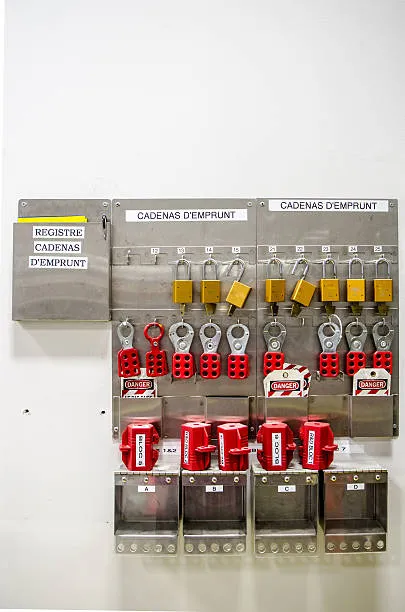
When implementing a comprehensive lockout and tagout procedure, it is essential to equip your employees with the proper tools for safely isolating energy sources. LOTO boxes are specifically designed to hold lockout devices, tags, and other necessary equipment for each energy isolation point.
These durable, brightly coloured boxes ensure that all essential components are accessible and organised when needed. By using LOTO boxes in conjunction with lockout procedures, businesses can effectively streamline the process of isolating hazardous energy sources while maintaining compliance with workplace safety regulations.
Employers must provide well-equipped LOTO boxes at each designated energy isolation point to enable effective implementation of lockout tagouts as per HSE standards. Any oversight in this area may result in compromised safety standards and potential violations.
Steps of a LOTO Procedure
The 7-step process of a LOTO procedure provides a systematic approach to safely isolate hazardous energy sources. In situations where employees are unavailable, alternative measures must be established to ensure the proper execution of the procedure.
7-step process
To effectively implement a LOTO procedure, follow these 7 steps:
- Identify the machinery or equipment that needs to be locked out.
- Notify all affected employees about the impending lockout.
- Shut down the machinery following the standard operating procedure.
- Isolate the machine from its energy sources by disconnecting, blocking, and/or securing them.
- Apply the lockout device to ensure that the energy isolation cannot be removed.
- Attach a tag clearly indicating who performed the lockout and when it was performed.
- Verify that all energy sources are disconnected before re – energising the machinery.
Handling unavailable employees
When employees involved in a lockout tagout (LOTO) procedure are unavailable, swift and effective action is crucial. Designating designated alternates or backup personnel beforehand ensures that energy isolation procedures can be carried out without delays.
Regular training for all employees, including those designated as backups, guarantees their readiness to step in when needed.
Involving unavailable employees in the development of LOTO procedures increases their understanding and commitment to safety protocols. By actively engaging them in creating and reviewing the LOTO programme, they feel a sense of ownership and responsibility toward its execution.
This approach fosters a proactive workplace safety culture where every member takes accountability for maintaining compliance with LOTO regulations.
Establishing a LOTO programme
To establish a LOTO programme, begin by conducting a comprehensive risk assessment to identify all potential energy sources and hazardous equipment. Implement clear and specific procedures for employees to follow during lockout and tagout processes. Develop comprehensive training programmes that educate employees on the importance of LOTO protocols and how to effectively implement them. Regularly review and update the LOTO programme in line with any changes in regulations or workplace environment. It is vital to communicate the importance of the LOTO programme throughout all levels of the organisation, ensuring everyone recognises their responsibility in maintaining safety standards.
Ensuring LOTO Safety and Compliance
Training and communication are vital in ensuring all employees understand the LOTO procedures, while regular inspections and audits help to identify any potential safety risks. Utilising LOTO software and templates can also streamline the compliance process, making it easier for businesses to adhere to regulations.
Training and communication
To ensure effective compliance with LOTO regulations, it is crucial to provide comprehensive training and clear communication to all employees. This includes educating them on the importance of lockout tagout procedures and the potential hazards associated with energy sources.
We also need to conduct regular training sessions to familiarise employees with proper lockout tagout techniques and protocols.
Communication plays a vital role in promoting safety awareness among employees, ensuring they understand the significance of following LOTO regulations at all times. Regular updates, reminders, and open channels for reporting concerns are essential components of an effective communication strategy that supports a culture of safety within the workplace.
Regular inspections and audits
To ensure the ongoing safety and compliance of your LOTO procedures, regular inspections and audits are essential. They provide a systematic review of your lockout tagout processes, highlighting any shortcomings or non-compliance issues. Here’s how inspections and audits contribute to maintaining effective compliance with LOTO regulations:
- Verify that all energy isolating devices are properly labeled and maintained.
- Assess the integrity of lockout and tagout devices to ensure they are functioning correctly.
- Confirm that LOTO boxes are securely installed and accessible when needed.
- Evaluate the documentation of completed LOTO procedures for accuracy and completeness.
- Review employee training records to ensure that all personnel involved understand and follow the established protocols.
- Identify any new equipment, machinery, or processes that may require additional lockout tagout measures.
- Address any identified deficiencies promptly by updating procedures or providing additional training as necessary.
Utilising LOTO software and templates
To ensure compliance with LOTO regulations, we recommend utilising LOTO software and templates. These digital tools can streamline the process of creating, managing, and implementing lockout tagout procedures within your workplace.
The software allows for easy documentation of energy control procedures, equipment information, and authorised personnel involved. Additionally, pre-made templates can serve as a foundation for developing customised LOTO plans tailored to different machinery and operations in your facility.
By integrating LOTO software and templates into your safety programme, you can efficiently track lockout tagout activities, schedule equipment maintenance tasks around these procedures, and keep comprehensive records for audits or inspections.
Conclusion
Have you considered how your workplace can apply these methods? By prioritising LOTO safety and compliance, significant improvements in occupational health and safety standards can be achieved. Ultimately, taking action to enhance lockout tagout procedures will lead to a safer work environment for all.
Sorting out lockout for your own site?
Describe what needs isolating and we'll help you work out the setup that fits.