

Ensuring a safe and secure environment at work or home is something we all have a fair go at tackling. We’re on this journey together, having faced the same issues and dug deep into extensive research to unearth effective strategies.
Our exploration into the inventive uses of locking brackets for boosting safety has opened up some practical and clever ways to enhance security in various settings. Have a squiz through our insights – they might just be the game-changer you’ve been looking for.
Understanding Locking Brackets
Locking brackets play a pivotal role in enhancing safety across various settings, from preventing unauthorised access to securing equipment against hazardous energy sources. We use these remarkable devices in myriad ways that often go unnoticed, yet their impact on workplace safety and security cannot be overstated.
Lockout safety becomes a tangible reality with the proper application of locking brackets.
They serve as essential tools for business owners looking to fortify their operations against potential threats. Whether it’s ensuring roof ladder safety, implementing battery isolation switches, or setting up temporary fencing locks, locking brackets are at the forefront of innovative safety solutions.
Their versatility extends to antitheft bracket locks and even gutter bracket installations, making them indispensable for creative applications aimed at improving security measures.
With an emphasis on both horizontal and vertical suspensions, these devices offer comprehensive support in safeguarding valuable assets and protecting personnel from harm.
Creative Applications of Locking Brackets for Enhanced Safety
We understand the crucial role that locking brackets play in enhancing safety across various industries. Our experience shows that adopting creative applications of these safety devices significantly boosts workplace security and efficiency.
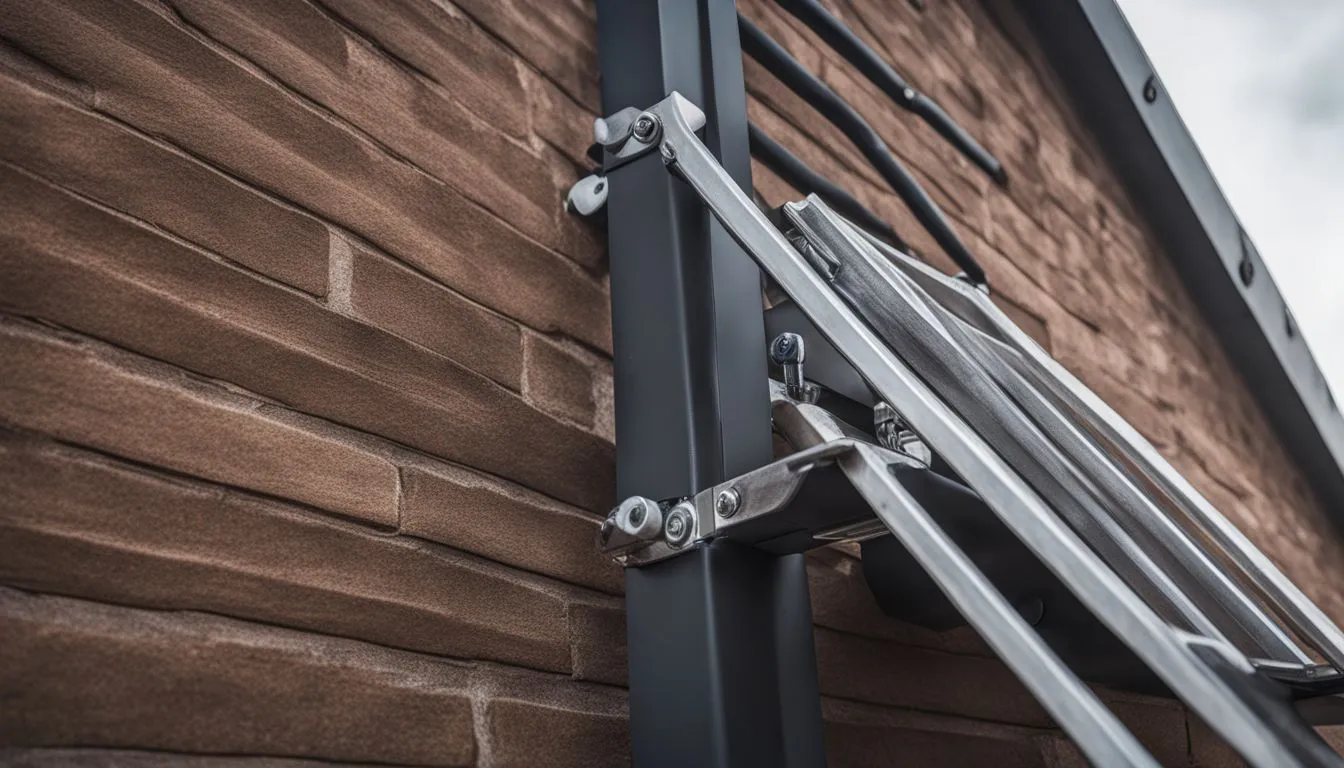
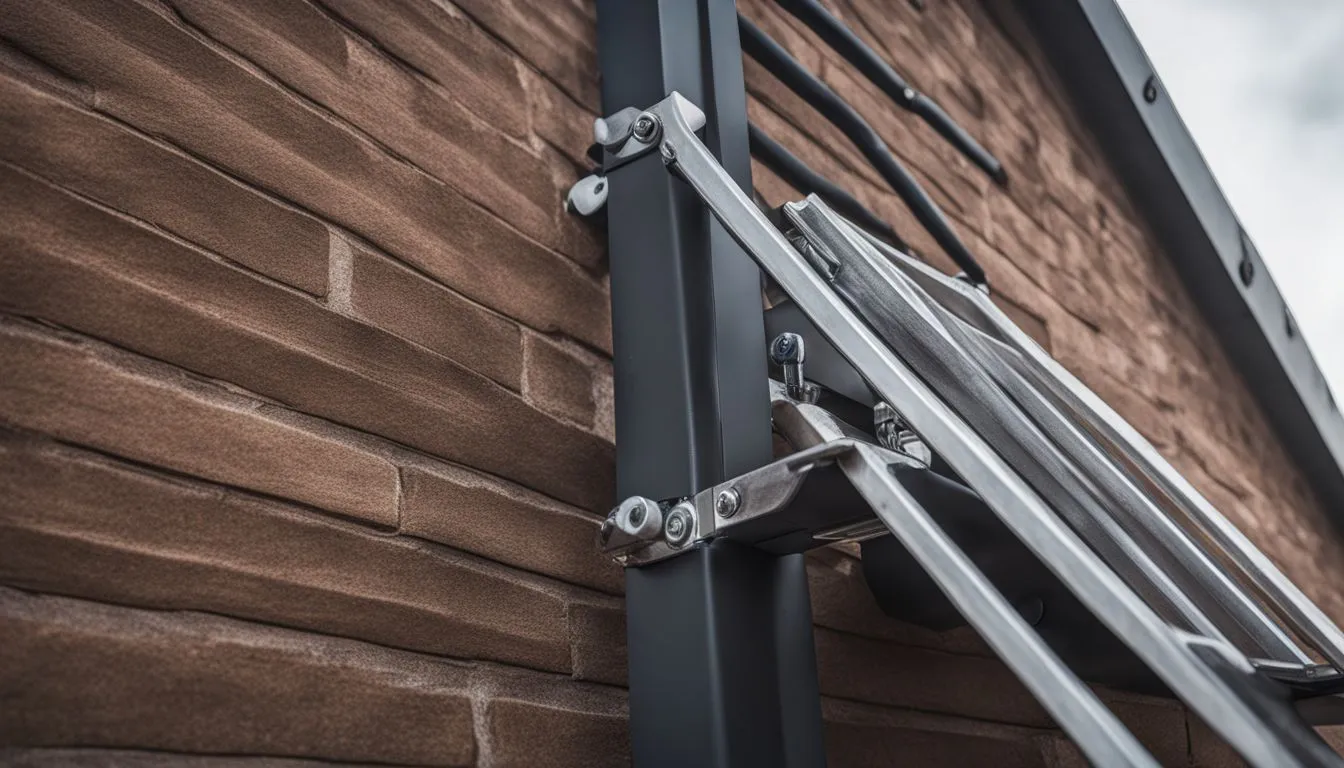
- Roof ladder safety employs antitheft bracket locks to secure ladders, preventing unauthorised access and reducing the risk of falls. These brackets attach firmly to building exteriors, ensuring ladders remain in place even in adverse weather conditions.
- In areas with hazardous energy sources, implementing lockout safety mechanisms with locking brackets can prevent accidental activation. These brackets are vital for isolating power sources during maintenance, safeguarding workers from potential harm.
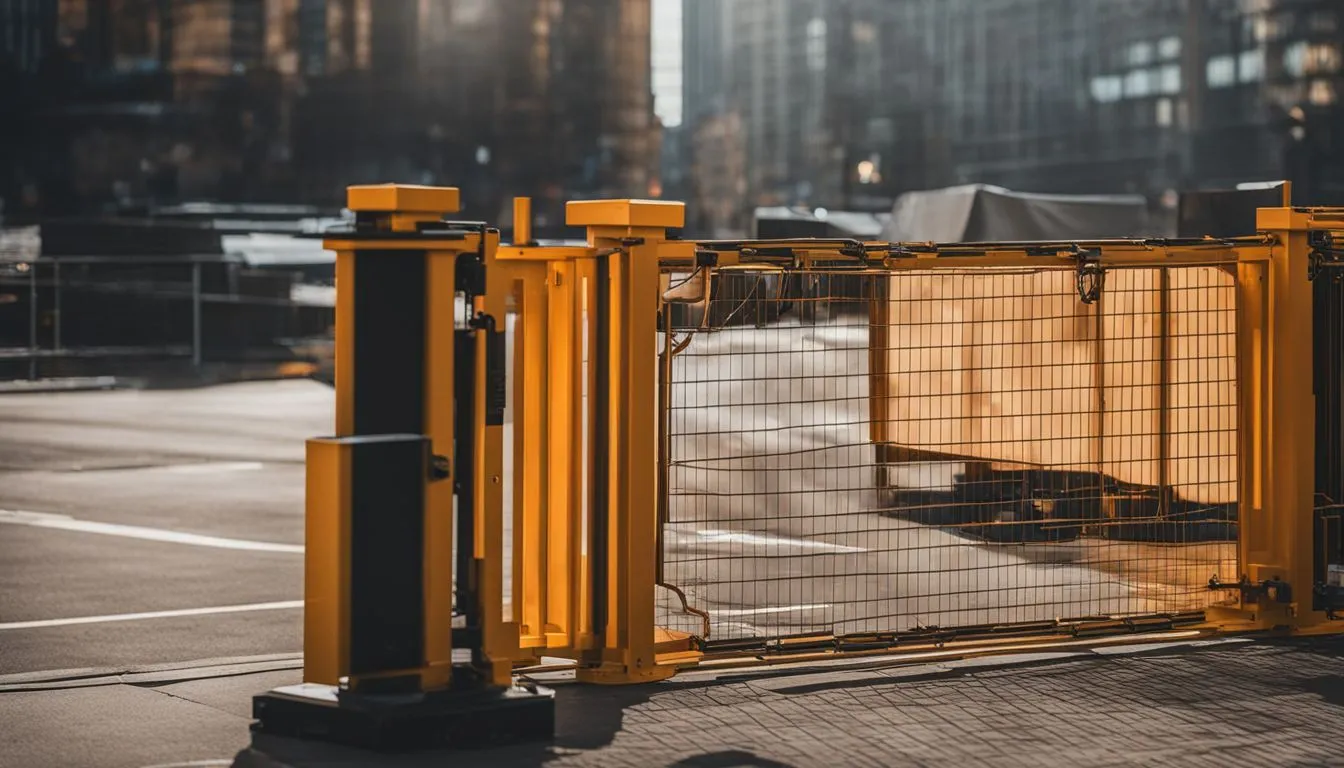
- Temporary fencing lock solutions use locking brackets to create sturdy barriers around construction sites or event perimeters. This not only restricts entry but also withstands attempts to breach the barrier, keeping the area secure.
- Battery isolation switches benefit from tamper – proof locking brackets, especially in vehicles used across industries. These brackets ensure that the battery is disconnected when not in use, preventing unauthorised use and reducing theft risk.
- Mobile fence gate systems integrate antitheft bracket locks for enhanced security at temporary access points. This approach ensures only authorised personnel can move these gates, providing control over entry and exit points.
- Innovative uses of locking brackets include horizontal and vertical suspensions for signage or equipment in public or restricted areas. This deters theft and tampering while maintaining accessibility for authorised individuals.
- Gutter bracket enhancements with locking features protect against harsh environmental conditions by securing gutters firmly to buildings. This prevents dislodging during storms, maintaining property integrity and reducing risks associated with loose components.
- Roof top tent security is improved through the application of specialised antitheft locks on mounting brackets, offering peace of mind to adventurers by protecting their gear from theft even in remote locations.
As we explore global perspectives on locking bracket standards and practices next, we realise the importance of aligning with international standards for maximum effectiveness and interoperability of these safety measures across borders.
Global Perspectives on Locking Bracket Standards and Practices
Exploring global perspectives on locking bracket standards and practices offers valuable insights for business owners keen on enhancing safety. Our focus extends to various international regions, highlighting their approaches and standards regarding locking brackets. This comparison aims to deliver actionable guidance and shed light on effective safety measures across different markets.
| Country/Region | Standard Overview | Application Highlights | Challenges |
|---|---|---|---|
| Australia | Strict adherence to AS/NZS 5131 for structural safety. | Emphasis on earthquake-resistant designs in construction. | Regulatory complexity poses compliance challenges. |
| Europe | EN 1090 and CE marking for construction products. | Focus on sustainability and recyclability in locking bracket materials. | Varying standards across member states complicate uniformity. |
| United States | ASTM standards guide the manufacture and quality. | Innovative uses in automotive safety enhance passenger protection. | Diverse state regulations require meticulous attention to detail. |
| Asia (General) | Varied standards; Japan follows JIS, while others may not have formal standards. | Adoption in technology and robotics for precision tasks. | Lack of standardized practices complicates cross-border trade. |
In summary, global perspectives reveal both diversity and commonality in practices concerning locking brackets. Each region brings unique insights and challenges to the table, encouraging a broader understanding and approach to safety and application. As we continue to explore these international standards, our goal remains to provide businesses with the knowledge to navigate these varied landscapes effectively.
Potential Issues and Solutions with Locking Brackets

Locking brackets ensure workplace safety and protect against hazardous energy sources, yet they come with challenges that require smart solutions. One common issue is resistance to weather elements, which can lead to corrosion and weakened security over time.
We address this by recommending the use of rust-resistant materials like stainless steel or applying protective coatings to enhance durability. This approach helps maintain the integrity of antitheft bracket locks and safety brackets, ensuring long-lasting performance even in harsh conditions.
Another concern involves compatibility; not all locking brackets fit every application or device perfectly, leading to potential security gaps. Locksafe's solution lies in customising designs specific to the needs of each situation, be it roof ladder safety or temporary fencing lock requirements.
By tailoring locking systems directly for their intended use, we effectively close those gaps and provide enhanced protection across various settings. This means engaging with manufacturers capable of producing bespoke locking mechanisms designed for maximum efficiency and reliability in safeguarding assets.
Conclusion
We’ve explored how locking brackets can significantly elevate safety in various settings. These tools offer both simplicity and efficiency, making them accessible for businesses keen on bolstering security measures without complexity.
Emphasising their practicality underscores the potential for substantial safety improvements across industries. Engaging with these strategies transforms workplace environments, creating safer spaces that protect against common hazards.
For those eager to delve deeper into security enhancements, numerous resources stand ready to guide further exploration in safety innovations. Let this journey inspire a commitment to safety excellence, leveraging innovative solutions like locking brackets for a more secure tomorrow.
Sorting out lockout for your own site?
Describe what needs isolating and we'll help you work out the setup that fits.