

We all know keeping our workplaces safe is key, and that’s where Lockout Tagout comes into play. Let’s talk about what it is: a set of safety procedures used during equipment maintenance to make sure dangerous energy stays under control. Why does this matter? Well, following these rules can stop accidents before they happen, keeping everyone out of harm’s way.
It’s not just about having rules; it’s how we use them too. With the right tools like padlocks and circuit breaker lockouts, machines stay switched off until the job is done – no nasty surprises! We’re part of a team here, so we’ve got to keep each other in the loop with good training and crystal-clear policies. But let’s not forget paperwork―it might sound dull but stick with us because using software makes this part a breeze and keeps you on top of things. SWA isn’t playing around either; slip-ups could cost more than a few dollars, they’re serious business!
To wrap our heads around this crucial topic properly, we need well-thought-out plans that everyone understands. It takes some effort upfront but think about how secure those locks will make your workplace feel: priceless! Ready to see how these pieces fit together for safer days ahead? Let’s get moving – safely locked in step by step.

Understanding Lockout Tagout Regulations
Lockout Tagout regulations are essential for workplace safety, ensuring that equipment is properly shut off and not turned on unexpectedly during maintenance. It is important to understand the purpose and requirements of these regulations to ensure compliance and prevent workplace accidents.
Definition and purpose
Lockout Tagout, commonly known as LOTO, is a crucial safety procedure that safeguards employees in industrial settings by ensuring machinery and energy sources are properly shut down during maintenance or repair work.
Its purpose is to prevent the accidental release of hazardous energy which could lead to severe injuries or even fatalities. By implementing strict lockout procedures and using designated safety locks and tags, we effectively isolate energy sources ranging from electrical to mechanical, thus minimising the risk of unexpected startups.
These practices play a pivotal role not just in maintaining compliance with workplace regulations but also in fostering a culture of safety within our operations. We focus on preventing thermal burns, electrical mishaps, and any other hazards associated with industrial equipment.
Through correct LOTO application, they maintain control over machinery maintenance safety while supporting occupational health objectives within their business environment.
Importance for workplace safety
Ensuring workplace safety is a crucial aspect of running our business. Compliance with lockout tagout (LOTO) regulations plays a vital role in safeguarding the well-being of our employees and visitors.
By implementing LOTO procedures, we can prevent hazardous energy-related incidents during equipment maintenance, thereby reducing the risk of thermal burns, electrical shocks, and other workplace accidents.
Following LOTO standards not only keeps operations in line with regulatory requirements but also fosters a culture of safety within our organisation. It demonstrates our commitment to upholding industrial safety standards while protecting our workforce from potential harm.
SWA Lockout Tagout Standard
This section provides an overview of the SWA regulations and standards for lockout tagout, as well as exceptions and violations that businesses need to be aware of. It also discusses the involvement of different parties in ensuring compliance with these standards.
Overview of regulations and standards
SWA’s Lockout Tagout (LOTO) Standard is a critical regulatory requirement aimed at preventing machinery-related accidents and injuries. This standard mandates the control of hazardous energy during maintenance procedures, outlining strict regulations for isolating equipment from its energy source to prevent accidental startups.
By adhering to these standards, businesses ensure compliance with safety regulations and maintain workplace safety standards, safeguarding employees against potential hazards. Understanding and implementing LOTO regulations play a pivotal role in maintaining occupational safety, preventing thermal burn incidents, and minimising industrial accidents.
Exceptions and violations
Some situations may warrant exceptions to the lockout tagout regulations, such as when performing minor tool changes and adjustments that are integral to the production process. However, even in these cases, strict procedures must be followed to ensure employee safety while conducting these tasks.
Violations of LOTO regulations can result in severe penalties for business owners, including hefty fines and potential legal action. It is crucial to adhere to the established standards and guidelines to maintain a safe work environment and avoid any violations that could compromise the well-being of employees or lead to costly repercussions.
In some instances, specific circumstances may allow for exceptions from standard lockout tagout procedures; however, it’s critical for businesses to follow strict protocols during these tasks’ performance.
Involvement of different parties
Various parties are involved in the implementation of Lockout Tagout (LOTO) regulations. Each party has a specific role to play in ensuring compliance and workplace safety:
- Business Owners: Responsible for providing necessary resources, support, and leadership to ensure that LOTO procedures are followed effectively.
- Management: It is crucial for management to lead by example and actively promote a culture of safety and compliance with LOTO standards.
- Safety Officers: They play a key role in overseeing the implementation of LOTO procedures, conducting audits, training employees, and ensuring compliance with regulations.
- Employees: It is essential for all employees to adhere strictly to LOTO procedures, use safety locks appropriately, report any hazards or violations promptly, and participate in required training programmes.
- Regulatory Authorities: Compliance with LOTO regulations involves cooperation with regulatory authorities and inspectors to ensure adherence to standards and regulations.
Lockout Tagout Devices
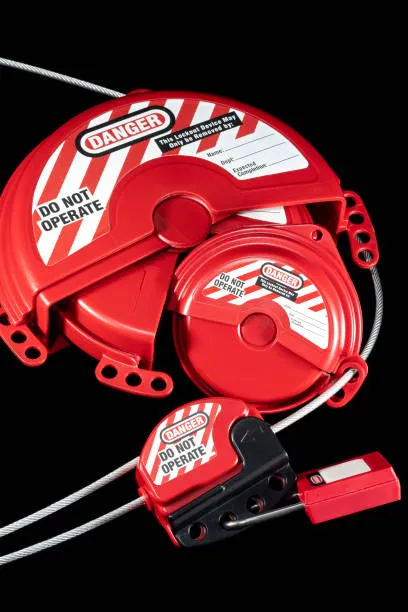
When it comes to compliance with LOTO regulations, having the right lockout tagout devices is crucial. Different types of devices are available for different energy sources and equipment, ensuring that hazardous energy can be effectively controlled during maintenance or servicing activities.
Types of lockout devices
- Padlocks: These are versatile and commonly used to secure equipment during maintenance or repair.
- Lockout hasps: Enable multiple padlocks to secure a device, ensuring that it cannot be operated until all maintenance work is complete.
- Lockout tags: Provide essential information about the lockout status and the responsible individual.
- Circuit breaker lockouts: Prevent accidental engagement of circuit breakers, protecting employees from electrical hazards.
- Valve lockouts: Securely lock valves in the closed position to prevent the release of hazardous materials.
Types of tagout devices
- Tagboard Tags – These tags are made from card or plastic and have space for the date, employee’s name, and reason for the lockout.
- Danger Tags – These tags are bright in colour with bold text to alert employees of a hazardous condition.
- Informational Tags – These tags contain detailed instructions for the safe operation of machinery or equipment.
- Customisable Tags – These tags can be tailored to specific equipment or procedures by including specific information as required.
Key Elements of LOTO Compliance
Conducting risk assessments and developing procedures are crucial elements of LOTO compliance. Employee training and communication, as well as frequent audits and documentation, are also essential for maintaining workplace safety standards.
Conducting risk assessments
When preparing to conduct risk assessments, businesses can derive a comprehensive understanding of potential hazards and risks. To ensure workplace safety and compliance with LOTO regulations, it is crucial for business owners to undertake thorough risk assessments as part of their lockout tagout procedures.
- Identify Potential Energy Sources: Determine all possible energy sources that need to be controlled during equipment maintenance procedures. This includes electrical, mechanical, hydraulic, pneumatic, chemical, and thermal energy sources.
- Analyse Equipment and Machinery: Assess the specific equipment and machinery within the workplace to identify potential hazards related to their operation and maintenance. Consider the risks associated with starting up or repairing each piece of equipment.
- Evaluate Employee Activities: Examine the tasks performed by employees that involve interacting with machines or equipment. Identify any activities that expose workers to hazardous energy sources during servicing or maintenance.
- Prioritise Risks: Establish a systematic approach to prioritising identified risks based on their severity and likelihood of occurrence. This will help in allocating resources effectively for implementing appropriate lockout tagout measures.
- Develop Control Measures: Devise control measures and strategies to mitigate the identified risks, including the selection of suitable lockout tagout devices, employee training programmes, and communication protocols.
- Document Findings: Record all findings from the risk assessments in order to create a clear understanding of potential hazards within the workplace environment. This documentation serves as a reference point for developing effective lockout tagout procedures.
Developing procedures
- Identification of all energy sources and potential hazardous energy – A thorough assessment of all energy sources, including electrical, mechanical, hydraulic, pneumatic, chemical, and thermal energies.
- Detailed step-by-step shutdown and isolation procedures – Clear instructions on how to safely shut down each energy source and isolate it from the equipment being serviced or maintained.
- Lockout/tagout device application guidelines – Specifications for selecting and applying the appropriate lockout/tagout devices for each energy source in accordance with industry standards.
- Training requirements for authorised employees – A plan for training employees on how to implement lockout/tagout procedures effectively and safely.
- Protocol for equipment testing and verification of energy isolation – Procedures for verifying that all hazardous energy sources are effectively isolated before starting work on the equipment.
- Contingency plans for unexpected re-energisation – Protocols for addressing unexpected re-energisation scenarios and ensuring the safety of employees in such situations.
- Documentation processes for procedure updates and training records – A system for maintaining accurate records of procedure updates, employee training, audits, and incident investigations related to lockout/tagout compliance.
Employee training and communication
Employee training and communication play a vital role in ensuring LOTO compliance and workplace safety. Here are the key elements to consider:
- Regular training sessions should cover the importance of LOTO procedures, identifying hazardous energy sources, and proper use of lockout tagout devices.
- Clear communication channels must be established to ensure that all employees understand the LOTO policies and procedures.
- Training programmes should incorporate real – life scenarios and case studies to emphasise the potential risks associated with failure to adhere to LOTO regulations.
- Interactive training methods such as simulations and quizzes can enhance employee engagement and knowledge retention.
- Continuous reinforcement through toolbox talks, safety meetings, and visual reminders can help keep LOTO procedures at the forefront of employees’ minds.
- Frequent audits and documentation
Frequent audits and documentation
After ensuring that employees are well-trained and informed, it is essential to conduct frequent audits and maintain thorough documentation. This ensures continuous compliance and identifies any potential gaps or risks. Business owners should consider the following key elements in relation to frequent audits and documentation:
- Regularly scheduled audits of lockout tagout procedures and equipment to assess their effectiveness.
- Keeping detailed records of all lockout tagout activities, including maintenance, training, and use of devices.
- Documenting any incidents or near misses related to lockout tagout procedures in order to analyse root causes and implement preventive measures.
- Conducting internal or external reviews of the documentation system to ensure accuracy and completeness.
The Strategic Role of Safety Locks
The strategic role of safety locks in complying with LOTO regulations cannot be overstated. Clear policies and procedures, along with the use of software and templates, are essential for ensuring compliance with LOTO standards.
Types of LOTO devices
Safety locks – Used to physically prevent the operation of equipment or machinery, ensuring that it cannot be energised or started up during maintenance or servicing.
Importance of clear policies and procedures
Clear policies and procedures are imperative for ensuring LOTO compliance within the workplace. They provide a structured framework for employees to follow, reducing the risk of accidents and promoting a safe working environment.
By outlining step-by-step instructions, businesses can effectively communicate the necessary measures for implementing lockout tagout protocols, fostering accountability and adherence to regulatory standards.
Well-defined policies also facilitate comprehensive training programmes, allowing employees to understand their responsibilities and the importance of meticulous execution. In turn, this promotes a culture of safety consciousness and ensures consistent application across different operational scenarios.
Moreover, clear documentation aids in verifying compliance during audits, demonstrating a proactive approach towards mitigating hazards and upholding industry best practices.
Use of software and templates
Implementing software and templates streamlines the lockout tagout process, ensuring efficiency and accuracy. Software allows for the creation of detailed procedures and documentation, simplifying compliance with LOTO standards.
Templates provide a consistent format for creating lockout tagout plans, making it easier to communicate safety protocols to employees. This technology helps in conducting risk assessments and developing clear procedures, ultimately contributing to a safer workplace environment.
Utilising software and templates also aids in maintaining up-to-date records and conducting frequent audits. The system can be set up to send reminders for equipment inspections, employee training schedules, and procedure reviews.
Compliance with LOTO standards
To comply with LOTO standards, it is essential to adhere strictly to the regulations set forth by HSE. This involves using the appropriate lockout tagout devices and implementing clear policies and procedures.
Conducting frequent risk assessments and audits, along with providing comprehensive employee training and communication, are also crucial aspects of compliance. It is vital for business owners to ensure that their workplace meets these standards in order to prevent hazardous incidents and maintain a safe working environment.
By prioritising compliance with LOTO standards, business owners can protect their employees from potential hazards and reduce the risk of accidents occurring within their industrial settings.
Conclusion
We have explored the key elements of LOTO compliance and the strategic role of safety locks in ensuring workplace safety. The practical strategies and tips provided are designed for easy implementation, making them efficient solutions for maintaining regulatory compliance. Emphasising the importance of these approaches, it’s evident that their application can lead to significant improvements and prevent common workplace hazards.
For further learning, consider exploring additional resources or services related to lockout tagout regulations and safety practices. Complying with LOTO regulations starts with the strategic use of safety locks. Tackle compliance issues with Work Safe Lockout’s expert guidance and premium safety locks. As you reflect on this topic, remember that prioritising safety not only protects your business but also ensures the well-being of your employees, a crucial aspect for sustainable success.
Sorting out lockout for your own site?
Describe what needs isolating and we'll help you work out the setup that fits.