
We’ve all experienced it, haven’t we? That heart-dropping moment when the lights suddenly go out mid-dinner party, or during a particularly pivotal point in your work from home day. Just like you, we’ve wrestled with these issues and discovered through our own trials and investigations that these little hiccups often boil down to electrical hazards lurking in the circuit breaker.
In today’s blog post, we’re going to journey into the lesser-known realm of Circuit Breaker Lockouts – a rather underrated yet crucial device for safeguarding your home against electrical mishaps. So, are you ready to channel your inner DIY electrician? Let’s jump right in!
Understanding Electrical Safety
Electricity can be extremely dangerous, and it is crucial to understand the hazards and importance of electrical safety.
Hazards of electricity
Misuse of electrical appliances can lead to hazardous situations and severe consequences in homes. Exposure to electricity increases the risk of shocks, burns or even fatal incidents.
Damaged insulation, water near electrical outlets, and overloaded sockets are typical household hazards that need immediate attention. Likewise, misuse of extension cords and faulty or outdated wiring systems pose significant threats.
The dangers don’t stop at personal injuries; mishandled electricity can cause devastating house fires as well. It is crucial for everyone’s safety that these potential perils be identified promptly to prevent accidents in the home setting.
Common electrical hazards
Common electrical hazards can pose significant risks to both people and property. Faulty wiring, overloaded circuits, and damaged electrical appliances are just a few examples of these hazards.
These hazards can result in electrical shocks, fires, or even electrocution. It is crucial for homeowners to be aware of these dangers and take necessary precautions to prevent accidents from happening.
Regularly inspecting the condition of wiring, avoiding overloading circuits with multiple appliances, and properly maintaining electrical equipment are simple yet effective ways to mitigate the risks associated with common electrical hazards.
Importance of electrical safety
Electrical safety is of utmost importance when it comes to protecting ourselves and our homes from potential hazards. By prioritising electrical safety, we can prevent accidents, injuries, and even fatalities caused by electrical incidents.
Understanding the risks associated with electricity and taking necessary precautions can go a long way in creating a safe environment for everyone. So let’s make sure we prioritise electrical safety at all times.
The Role of Circuit Breaker Lockouts
– Circuit breaker lockouts play a crucial role in ensuring electrical safety by effectively preventing accidental or unauthorised access to live circuits.
Types of circuit breaker lockouts
There are several different types of circuit breaker lockouts available to ensure electrical safety in your home. One common type is the plug lockout, which prevents the accidental insertion of a plug into an energised socket.
Another type is the MCB (miniature circuit breaker) lockout, which securely locks the switch in the off position and protects against unauthorised operation. Additionally, there are breaker lockout tagout devices that allow multiple workers to safely work on a circuit at the same time, ensuring that no one accidentally restores power while someone is still working on it.
Each type of circuit breaker lockout serves a specific purpose and can be customised to fit your specific needs for personal safety and accident prevention. So, make sure you choose the right one for your electrical environment to keep yourself and others safe from potential hazards.
How they work
Circuit breaker lockouts are essential devices that help keep you safe from electrical hazards. These lockouts are designed to fit over circuit breakers, preventing them from being turned on or off accidentally.
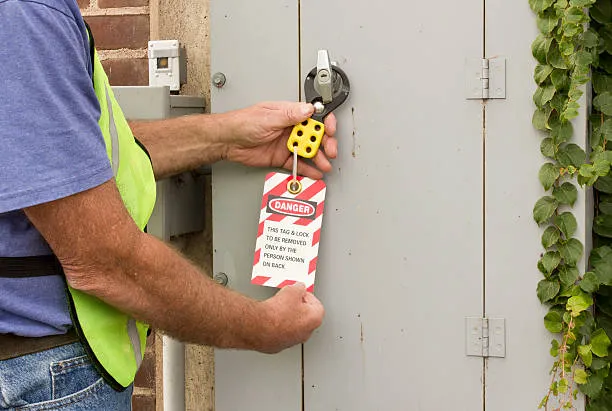
They work by securely attaching to the circuit breaker switch and using a padlock to keep it in place. This ensures that no one can tamper with the breaker while you’re working on electrical maintenance or repairs.
By using a circuit breaker lockout, you can have peace of mind knowing that you have an extra layer of protection against electric shocks and other accidents.
Benefits in electrical safety
Circuit breaker lockouts offer several benefits when it comes to electrical safety. First and foremost, they help prevent accidents and injuries by effectively isolating electrical circuits.
By disabling the circuit breaker, lockouts ensure that no one can accidentally restore power while work is being done on a particular circuit. This helps protect both professionals like engineers and electricians who work in electrical environments, as well as homeowners attempting DIY repairs or maintenance.
In addition, using circuit breaker lockouts eliminates the risk of residual energy in the system, further enhancing personal safety. With various types available, including plug lockouts and MCB lockouts, these devices can be easily customised for different needs and applications within your home’s electrical system.
Applying Circuit Breaker Lockouts in the Workplace
To ensure proper use of circuit breaker lockouts, it is important to follow the steps for their application and receive training on their use in compliance with OSHA standards. By implementing these safety measures, workplaces can effectively prevent electrical accidents.
Read on to learn more about the importance of circuit breaker lockouts in maintaining a safe electrical environment.
Steps for proper use
To ensure the proper use of circuit breaker lockouts, follow these steps for maximum electrical safety. Firstly, identify the correct circuit breaker that you need to work on and make sure it is in the “off” position.
Next, attach the circuit breaker lockout device securely to the breaker using its adjustable design or specialised attachment mechanism. Then, apply a padlock to prevent unauthorised access.
Finally, remove and store the key in a secure location until work is complete. By following these simple steps, you can effectively protect yourself and others from potential electrical hazards while working with circuit breakers in your home.
Importance of training
Training is crucial when it comes to electrical safety. It equips individuals with the knowledge and skills needed to work safely around electricity. Through training, you can learn about the potential hazards of electricity and how to identify them in your home or workplace.
You will also understand the importance of using lockout devices, like circuit breaker lockouts, to prevent accidents and injuries. With proper training, you can confidently apply lockout procedures and ensure compliance with OSHA standards.
By investing in training, you are investing in your personal safety and the safety of those around you. Don’t underestimate the importance of being trained in electrical safety – it could save lives.
Compliance with OSHA standards
We must comply with OSHA standards to ensure the highest level of electrical safety in our homes. These regulations are put in place by the Occupational Safety and Health Administration to protect workers from hazards and prevent accidents.
By following OSHA guidelines, we can reduce the risk of electrical incidents and keep both ourselves and our loved ones safe. It is important to stay updated on these standards and implement them when working with any electrical equipment or circuit breakers in our homes.
Other Essential Lockout Devices
In addition to circuit breaker lockouts, there are other essential lockout devices that play a crucial role in electrical safety. These include electrical panel lockouts and switch lockouts, which help prevent unauthorised access to electrical equipment.
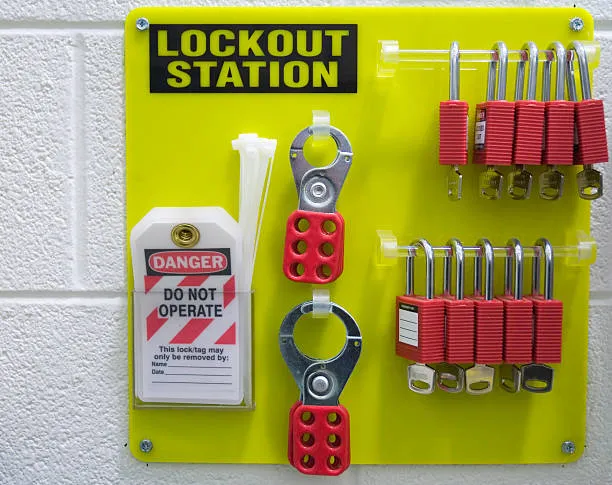
An electrical lockout kit typically consists of components such as padlocks, hasps, and tags for effective isolation and identification of energy sources. Employing these devices alongside circuit breaker lockouts ensures comprehensive protection against potential hazards in the electrical environment.
Purpose of electrical panel lockouts and switch lockouts
Electrical panel lockouts and switch lockouts play a crucial role in ensuring electrical safety at home. These devices are designed to prevent unauthorised access to the electrical panels and switches, effectively eliminating the risk of accidents or injuries.
By securely locking these areas, homeowners can protect themselves and their families from potential electrical hazards. It is important to have these lockouts installed correctly and used consistently whenever maintenance or repairs are being done on the electrical system.
With proper use of electrical panel lockouts and switch lockouts, homeowners can maintain a safe environment for everyone in their household.
Components of an electrical lockout kit
An electrical lockout kit contains various components that are essential for ensuring the safety of your electrical equipment. These kits typically include lockout devices such as plug lockouts, MCB (Miniature Circuit Breaker) lockouts, and breaker lockout tagouts.
These devices are designed to securely isolate circuit breakers and prevent them from being unintentionally turned on during maintenance or repair work.
In addition to lockout devices, an electrical lockout kit also includes other important components. This may include items like fuse lockouts, screwdrivers for panel access, and customisable tags and padlocks for labelling and securing the locked-out equipment.
By having all these components readily available in a single kit, you can effectively implement proper electrical safety measures without any hassle.
Who is Responsible for Electrical Lockout Safety?
In the workplace, both employers and employees share the responsibility for ensuring electrical lockout safety.
Employer responsibility
As employers, we have a crucial responsibility to ensure electrical safety in the workplace. It is our duty to provide a safe environment for our employees to work in, free from electrical hazards.
This includes implementing proper lockout procedures and providing necessary lockout devices, such as circuit breaker lockouts. By doing so, we not only protect the well-being of our staff but also comply with OSHA standards.
Effective communication about lockout procedures and training is essential in preventing accidents and injuries caused by electrical mishaps.
Employee responsibility
As employees, it is our responsibility to prioritise safety in the workplace and take active steps to prevent accidents and injuries. This includes following proper procedures for using circuit breaker lockouts and other electrical safety devices.
We must attend training sessions to learn how to effectively use these tools and understand the importance of compliance with OSHA standards. By doing so, we not only protect ourselves but also contribute to a safer working environment for everyone.
Together, let’s commit to being responsible employees when it comes to electrical lockout safety.
Importance of effective communication
Effective communication is crucial when it comes to electrical safety. It allows everyone involved in the process, from engineers to electricians, to understand and follow lockout procedures correctly.
By communicating clearly and concisely, we can ensure that everyone is on the same page and aware of potential hazards in the electrical environment. This helps prevent accidents and injuries by minimising misunderstandings or mistakes.
In addition, effective communication plays a vital role in training employees on how to use circuit breaker lockouts properly. It ensures that they are aware of the importance of lockout tagout procedures and can safely handle residual energy within circuits.
Conclusion
Circuit breaker lockouts are an essential tool in ensuring electrical safety. By effectively blocking or isolating the energy source, they help prevent accidents and injuries in the workplace. Proper training and compliance with OSHA standards are crucial for their effective use. Employers and employees both have a responsibility to prioritise electrical lockout safety and communicate effectively about potential hazards.
Circuit breaker lockouts are pivotal for electrical safety and prevent unauthorised access. To learn more about their role and implementation, consult our professionals at Work Safe Lock Outs. Stay safe by utilising circuit breaker lockouts and other necessary lockout devices in your electrical environment.
Sorting out lockout for your own site?
Describe what needs isolating and we'll help you work out the setup that fits.