
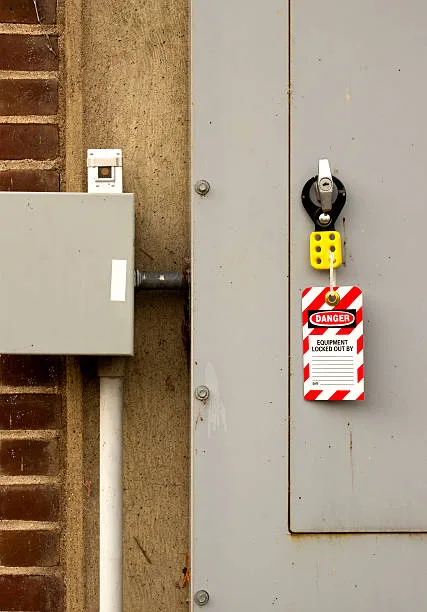
Having a bit of a hard time creating a work environment that’s both safe and secure, mate? No worries, we’ve trodden that path as well. We found Locksafe's solution in the form of lockout safety locks, these little beauties significantly cut down on accidents in our workplace.
In this blog, we’ll show you the ropes on how to foster a culture of safety using these specialised locks, from getting them set up correctly to training your staff. Are you ready to pave the way for a safer tomorrow? Let’s jump right in!
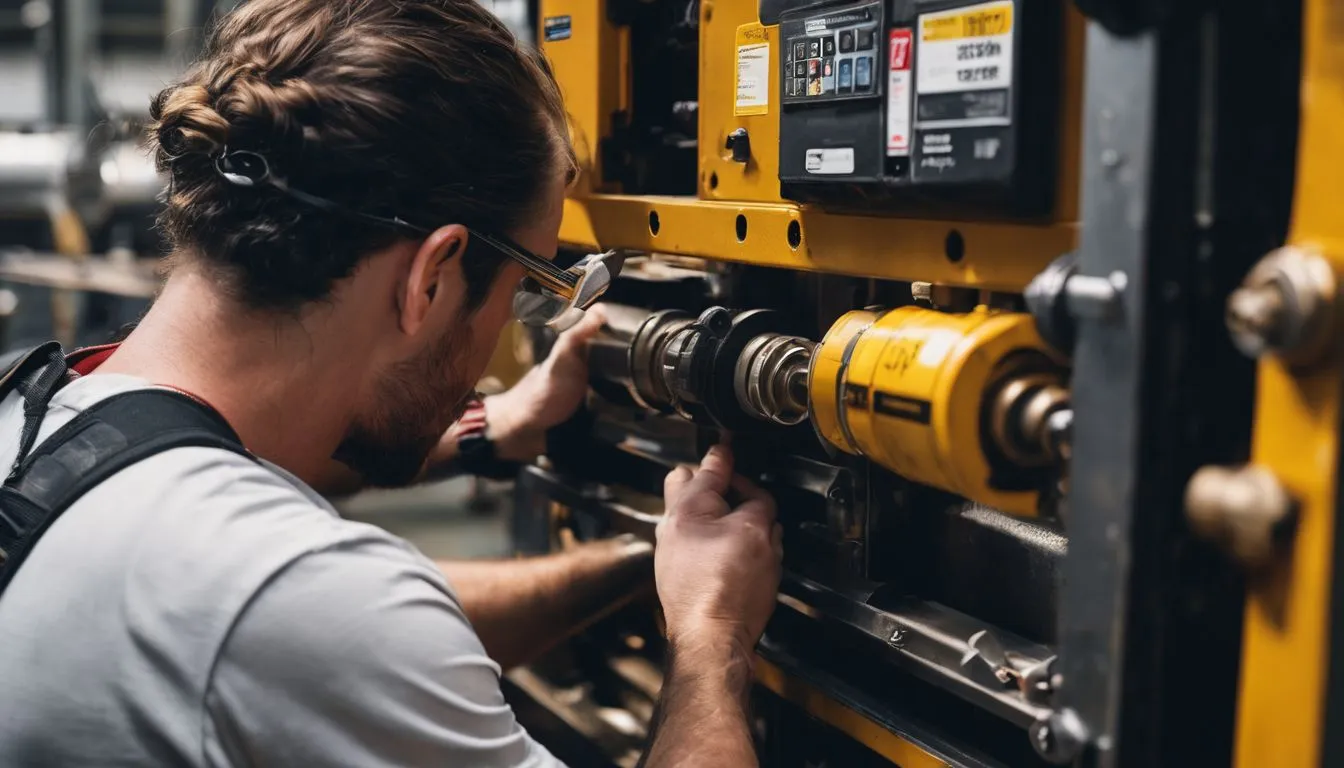
Understanding Lockout/Tagout (LOTO) and Its Importance
Lockout/Tagout (LOTO) is a crucial safety procedure that aims to prevent accidents and injuries in the workplace by effectively controlling hazardous energy sources. It involves physically disconnecting machines or equipment from their power source, then locking them out, and using tagout devices to indicate that they should not be operated.
LOTO plays an essential role in maintaining worker’s safety and creating a culture of safety within organisations.
Definition of LOTO
LOTO, short for Lockout/Tagout, represents a safety procedure that is crucial in industrial and manufacturing settings. It involves disabling machinery or equipment to prevent the accidental release of energy while servicing or maintaining it.
This process ensures workers’ safety by eliminating unexpected startups or power surges from causing potential harm. Essentially, LOTO helps control hazardous energy and keeps the workplace safe at all times.
Importance of LOTO for workplace safety
Ensuring workplace safety is of paramount importance for any business owner. This is where Lockout/Tagout (LOTO) procedures play a crucial role. LOTO is a set of safety measures that aim to prevent accidents caused by the accidental startup or release of hazardous energy during equipment maintenance and servicing.
By implementing effective LOTO programs, businesses can significantly reduce the risk of injuries in the workplace and create a culture of safety. LOTO procedures involve isolating and locking out energy sources, using lockout devices and tagout devices to clearly indicate that equipment should not be operated.
Prioritising LOTO helps protect workers from potential hazards and establishes a strong foundation for overall workplace safety.
Implementing proper LOTO protocols ensures that employees are protected from unexpected machine starts or releases of stored energy while working on machinery or equipment. This not only prevents accidents but also saves lives and minimises injuries in the workplace.
A comprehensive LOTO program includes training employees about lockout procedures, engaging them to actively participate in maintaining their own safety, and utilising technology such as specialised lockout systems provided by trusted solution providers.
Building a Culture of Safety with Effective LOTO Programs
In this section, we will explore how to build a culture of safety through the implementation and effective use of Lockout/Tagout (LOTO) programs.
Implementing a LOTO program
To ensure workplace safety, implementing a LOTO program is crucial. It involves developing and enforcing procedures to control hazardous energy sources. We start by identifying all energy sources in the workplace that could potentially cause accidents if not properly controlled, such as electrical, mechanical, hydraulic, or pneumatic systems.
Then we create specific lockout/tagout procedures for each piece of equipment. By following these procedures consistently, employees can prevent accidental startup and protect themselves from injuries in the workplace.
Regular training and reinforcement are essential to ensure everyone understands the importance of the program and how to use lockout devices effectively. So let’s make sure we have a robust LOTO program in place to safeguard our workers’ safety and promote a positive safety culture throughout our organisation.
Training and engaging employees in LOTO
Implementing a successful Lockout/Tagout (LOTO) program is not just about having the right procedures and equipment in place; it also requires training and engaging employees effectively.
By educating your workforce on LOTO procedures and their importance, you empower them to take responsibility for their own safety and that of their colleagues. Conduct regular training sessions, workshops, or toolbox talks to reinforce safe practices and ensure everyone understands the potential hazards associated with hazardous energy sources.
Encourage open communication so that employees feel comfortable reporting any issues or suggesting improvements to the LOTO process. Engage them by providing opportunities for hands-on practice with lockout devices and tagout devices.
Utilising technology for LOTO
We can enhance our Lockout/Tagout (LOTO) programs by utilising technology. Technology plays a vital role in improving workplace safety and preventing accidents caused by hazardous energy sources.
With the help of advanced lockout systems and tagout devices, we can effectively control and isolate energy to prevent accidental start-ups. By integrating technology into our LOTO procedures, we can ensure that workers follow proper safety protocols when servicing or maintaining equipment.
This not only reduces the risk of injuries but also promotes a strong safety culture within our organisation. As a business owner, investing in technology for LOTO is an investment in your employees’ well-being and the overall success of your safety program.
Safety Measures for Power Tool Batteries
When it comes to power tool batteries, it is crucial to prioritise safety measures. Proper handling and maintenance of batteries are essential to prevent accidents and ensure worker safety.
Understanding the potential hazards associated with batteries and providing training on battery safety are vital steps in building a culture of safety in the workplace.
Proper handling and maintenance of batteries
To ensure workplace safety, it is crucial to properly handle and maintain batteries. This includes storing them in a cool, dry place away from flammable materials and ensuring they are securely sealed.
Regularly inspecting batteries for any leaks or damage is also important to prevent potential hazards. In addition, employees should be trained on the safe handling and charging of batteries to reduce the risk of accidents or injuries.
By prioritising proper battery maintenance, businesses can mitigate risks associated with hazardous energy sources and promote a culture of safety in the workplace.
Understanding the potential hazards
Understanding the potential hazards associated with power tool batteries is crucial for maintaining workplace safety. Mishandling or improper maintenance of batteries can lead to accidents and injuries in the workplace.
It is important to be aware of the risks, such as battery explosions or leaks, which can result from overcharging, exposure to extreme temperatures, or using damaged batteries. By providing proper training on battery safety and implementing guidelines for handling and storing batteries correctly, businesses can minimise these potential hazards and ensure the well-being of their employees.
Training employees on battery safety
We prioritise the safety of our employees by providing comprehensive training on battery safety. Our training programs cover proper handling and maintenance techniques to reduce the risk of accidents and injuries in the workplace.
We ensure that all employees understand the potential hazards associated with power tool batteries and are equipped with the knowledge and skills to prevent accidents. By investing in thorough training, we empower our workforce to create a safer work environment for everyone involved.
Together, we can foster a culture of safety where every employee feels confident in their ability to handle batteries responsibly.
Protecting the Respiratory System in Polluted Work Environments
In polluted work environments, the respiratory system is at risk. Implementing proper respiratory protection and regularly monitoring air quality are essential to safeguarding employee health.
Find out more about protecting your workers from harmful pollutants in our latest blog post.
Risks of breathing in polluted air
Breathing in polluted air poses serious risks to the health and well-being of employees. It can lead to various respiratory problems such as asthma, bronchitis, and even lung cancer.
Additionally, exposure to pollutants can also increase the risk of heart disease and other chronic conditions. As business owners, it is crucial to prioritise the implementation of proper respiratory protection measures in order to safeguard your employees from these risks.
This includes providing appropriate personal protective equipment (PPE), conducting regular air quality monitoring, and ensuring that ventilation systems are effective in reducing airborne pollutants.
Implementing proper respiratory protection
We understand the importance of protecting your employees’ respiratory system in polluted work environments. That’s why it is crucial to implement proper respiratory protection measures.
This includes providing appropriate respirators that fit well and offer the necessary level of filtration. Regular air quality monitoring should also be conducted to identify any potential risks.
By prioritising the implementation of these protective measures, you can ensure the health and safety of your workers while working in polluted environments.
Regular air quality monitoring
Regular air quality monitoring is crucial for maintaining a safe and healthy workplace environment. By regularly monitoring the air quality, we can identify potential hazards such as pollutants, toxins, and allergens that may be present in the air.
This allows us to take necessary measures to control and mitigate these risks. Regular monitoring also helps us ensure compliance with occupational health and safety regulations.
By conducting regular air quality monitoring, we prioritise the well-being of our employees by reducing their exposure to harmful substances in the workplace. It also helps us identify any areas or processes that may require improvement or modification to enhance overall air quality.
Implementing a robust air quality monitoring program demonstrates our commitment to creating a safe working environment and fostering a culture of safety within our organisation.
Prioritising Winter Hazards and Promoting Workplace Wellness
Winter hazards in the workplace can pose significant risks to employee safety, which is why it is crucial for businesses to prioritise addressing these issues. By implementing proactive measures such as identifying and addressing winter hazards, promoting workplace wellness programs, and taking a holistic approach to employee well-being, companies can provide a safe and healthy environment for their workers during the colder months.
Identifying and addressing winter hazards
We understand the importance of creating a safe work environment, even during the winter months. Identifying and addressing winter hazards is crucial for preventing accidents and injuries in the workplace.
By conducting thorough inspections and risk assessments, we can identify potential hazards such as slippery surfaces, ice dams, or snow-covered walkways. Implementing measures like regular snow and ice removal, using anti-slip mats, providing proper footwear, and scheduling maintenance for heating systems can help mitigate these risks.
As part of our commitment to safety, we prioritise identifying and addressing winter hazards to ensure the well-being of all employees.
Importance of workplace wellness for injury prevention
Maintaining a focus on workplace wellness is crucial for preventing injuries in the workplace. By prioritising the well-being of your employees, you create an environment that promotes their overall health and safety.
Implementing wellness programs not only reduces the risk of accidents but also enhances productivity and morale. Encouraging regular exercise, providing nutritious food options, and promoting mental health initiatives can all contribute to creating a positive work culture where workers feel supported in their physical and emotional well-being.
Remember that investing in workplace wellness not only ensures the safety of your employees but also benefits your business as a whole.
Implementing a holistic approach for employee well-being
We understand that as a business owner, the well-being of your employees is crucial to the success of your organisation. That’s why implementing a holistic approach for employee well-being is essential.
By taking into account the physical, mental, and emotional health of your workforce, you can create a positive and supportive work environment.
To start, consider offering wellness programs and initiatives that promote healthy habits such as exercise, nutrition, stress management, and work-life balance. Encourage employees to take breaks throughout the day and provide access to resources like on-site gyms or mindfulness programs.
Additionally, prioritise open communication channels where employees feel comfortable discussing their concerns or seeking support.
Enforcing OSHA’s Lockout/Tagout Standard and Addressing Violations
Implementing and enforcing OSHA’s Lockout/Tagout standard is crucial for maintaining a safe workplace environment. Violations of this standard can lead to serious accidents and injuries, making it essential for businesses to prioritise adherence to safety regulations.
Our blog will discuss common LOTO violations, the consequences of non-compliance, and effective strategies for avoiding violations and improving overall EHS management.
Understanding OSHA’s LOTO standard
OSHA’s Lockout/Tagout (LOTO) standard is an essential regulation that every business owner needs to understand. This standard outlines the requirements for controlling hazardous energy sources during maintenance and repair work.
By implementing LOTO procedures, you can prevent accidental startup of machines or equipment, protecting your workers from potential injuries. Compliance with OSHA’s LOTO standard not only ensures worker’s safety but also demonstrates your commitment to creating a culture of safety in the workplace.
As responsible business owners, it is our duty to understand and enforce these regulations to keep our employees safe and prevent accidents.
Common LOTO violations and consequences
We must be aware of common LOTO violations and the consequences that come with them. Failure to properly implement lockout/tagout procedures can lead to serious accidents and injuries in the workplace.
Some common violations include failing to use lockout devices, inadequate training of employees, and not following proper isolation procedures. The consequences can range from fines imposed by regulatory bodies like OSHA to severe injury or even loss of life.
As business owners, it is our responsibility to ensure compliance with safety regulations and actively address any potential violations to protect the well-being of our workers.
Strategies for avoiding violations and improving EHS management.
To avoid violations and improve EHS (environmental, health, and safety) management, we need to implement effective strategies. Firstly, conduct regular training sessions for employees on safety protocols and procedures.
This will ensure that everyone is aware of the rules and regulations in place to maintain a safe work environment. Additionally, encourage open communication between workers and management to address any potential hazards or concerns promptly.
Another strategy is to regularly review and update your EHS policies based on industry best practices. It’s crucial to stay up-to-date with changes in regulations to avoid violations.
Implementing a system for tracking compliance with these policies can help identify areas that may require improvement.
Furthermore, conducting regular inspections of equipment and machinery is essential in identifying potential safety issues before they become accidents waiting to happen. Encourage employees to report any faulty or malfunctioning equipment immediately so that it can be addressed promptly.

Conclusion
Building a culture of safety using lockout safety locks is crucial for maintaining workplace safety. By implementing effective lockout/tagout programs, training employees on proper procedures, and utilising technology to enhance safety measures, businesses can prevent accidents and protect workers’ well-being.
It’s time to prioritise workplace safety and create an environment where everyone feels safe and secure. Building a culture of safety using lockout safety locks can be a seamless process with the right partner. For that level of commitment and expertise, consider Worksafe Lockouts.
Sorting out lockout for your own site?
Describe what needs isolating and we'll help you work out the setup that fits.