
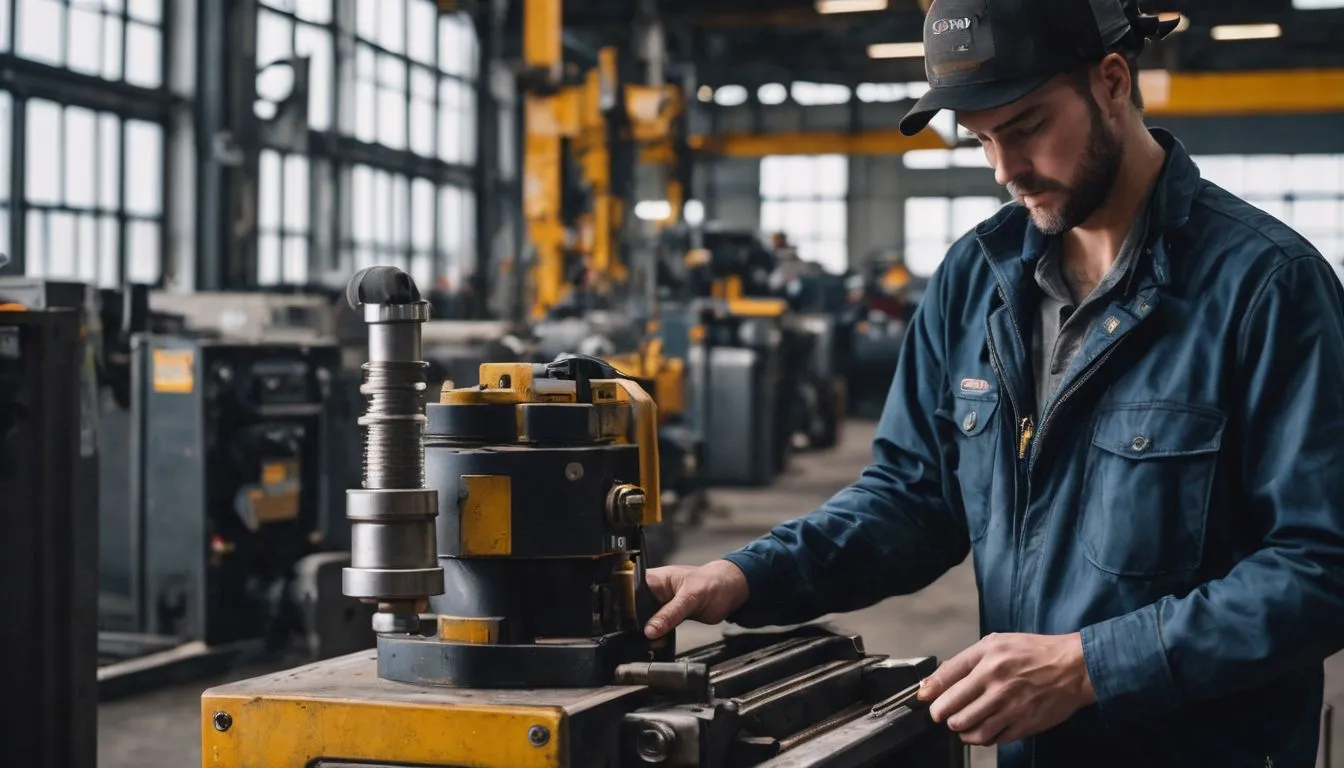
We all get that keeping our mates safe on the job is paramount, especially when it comes to navigating the tricky waters of hazardous energy control. Just like you, we’ve rolled up our sleeves and dug into the nitty-gritty to find top-notch solutions. What we’ve found is that lockout safety locks aren’t just a good idea – they’re an absolute game-changer for dodging mishaps and making sure everyone goes home in one piece at the end of the day. Let’s band together and lift the bar on workplace safety!
Understanding Lockout Safety Locks
Lockout safety locks are essential tools in industrial settings, used to isolate energy sources and prevent equipment from being powered on during maintenance or repair. These locks play a crucial role in workplace safety by ensuring that workers are protected from hazardous energy sources.
Definition and purpose
Lockout safety locks are essential devices that secure energy isolating devices during maintenance or repairs. They prevent the accidental release of hazardous energy sources that could harm workers.
The purpose here is clear: protect staff from unexpected energisation, start-up, or the release of stored energy in equipment.
These strong locks attach to switches, valves, and other critical control points. We apply them as part of a broader lockout/tagout procedure recognised by OSHA standards for industrial safety.
Their use is a direct method to safeguard lives by ensuring machines stay off until they’re safe to operate again.
Moving on now, let’s explore why these procedures are absolutely vital within industrial settings.
Importance in industrial settings
Lockout safety locks play a crucial role in industrial settings, ensuring the protection of employees and equipment against hazardous energy sources. By effectively controlling electrical circuits and machinery during maintenance or repair procedures, lockout safety locks contribute to accident prevention and equipment safeguarding.
Compliance with industrial safety regulations, such as HSE standards, is supported by implementing lockout/tagout procedures, which are essential for preventing workplace hazards and maintaining occupational safety.
Furthermore, these locks assist in mitigating amputation hazards and controlling dangerous energy sources in various industrial environments. The use of lockout safety locks not only promotes workplace accident prevention but also fosters a culture of safety procedure compliance within the organisation.
Benefits of lockout/tagout procedures
Enhancing workplace safety is crucial for protecting employees and avoiding costly accidents. Implementing lockout/tagout procedures offers various benefits to businesses, such as preventing unexpected machine start-ups during maintenance, reducing the risk of electrocution when working on electrical equipment, and mitigating the potential for amputation hazards.
By using these safety protocols in compliance with HSE standards, business owners can ensure a safer work environment and avoid unnecessary financial burdens due to workplace accidents.
When utilising lockout/tagout procedures effectively, businesses also experience improved operational efficiency, reduced downtime caused by accidents or injuries, enhanced employee morale through a focus on safety, and decreased liability from worker compensation claims.
The Role of Lockout/Tagout in Occupational Safety
When it comes to occupational safety, both employees and employers play a crucial role in implementing lockout/tagout procedures. Proper training and communication are essential for ensuring everyone understands the importance of these procedures, and emergency preparedness is vital for effectively managing any potential risks.
Responsibilities of employees and employers
Employees have a responsibility to follow lockout/tagout procedures diligently. This involves properly locking and tagging out equipment before maintenance or repair work, as well as communicating effectively with co-workers to ensure everyone is aware of the situation.
Employers, on the other hand, play a crucial role in providing thorough training on lockout/tagout procedures and maintaining a safe working environment. They must also ensure that all necessary equipment for lockout/tagout is readily available and in good working condition.
Furthermore, employers should empower employees to be proactive in reporting any issues or concerns regarding lockout/tagout processes. Additionally, it’s essential for employers to establish clear protocols for emergencies related to locked-out machinery and provide ongoing support for employees’ safety efforts.
Importance of training and communication
Training and communication are crucial for ensuring workplace safety. Proper training equips employees with the knowledge and skills to effectively use lockout safety locks, reducing the risk of workplace accidents.
Regular training sessions also keep employees updated on industry best practices and changes in safety regulations, promoting a culture of continuous improvement.
Effective communication within the organisation ensures that all employees understand their responsibilities regarding lockout/tagout procedures. Clear communication channels enable quick dissemination of important information about potential hazards and emergency preparedness, leading to a safer work environment for all.
Emergency preparedness
Transitioning from the importance of training and communication, emergency preparedness is a critical aspect that business owners must prioritise. Establishing clear and effective emergency response protocols for lockout/tagout situations helps mitigate potential risks and ensures the safety of employees in case of accidents or unforeseen events.
Regular drills for lockout procedures, maintaining well-stocked first aid kits, and providing access to emergency contact information are essential components of comprehensive emergency preparedness in industrial settings.
In addition to this, ensuring that all employees are aware of evacuation routes and assembly points during lockout/tagout emergencies adds a layer of security to occupational safety practices.
Selecting the Right Lockout Safety Locks
When it comes to selecting the right lockout safety locks, ensuring quality and design are crucial in maintaining workplace safety. Read on to learn more about the different types of locks and their role in workplace safety.
Importance of quality and design
Selecting the right lockout safety locks is crucial in maintaining workplace safety. High-quality and well-designed locks play a vital role in preventing workplace hazards, especially in industries with high-risk machinery and equipment.
It’s important to invest in durable, reliable, and robust lockout safety locks that can effectively control hazardous energy sources, thus reducing the risk of accidents and injuries.
Choosing the right design ensures that these locks are easy to use and understand, promoting adherence to safety procedures within the workforce.
Ensuring that lockout safety locks meet quality standards and are designed for the specific needs of your industrial environment is essential for minimising potential risks. By prioritising quality and design when selecting lockout safety locks, businesses can bolster their overall occupational safety efforts while safeguarding employees from harm.
Types of locks and their role in workplace safety
Once we understand the importance of lockout safety locks, it’s crucial to recognise the various types of locks and their specific roles in workplace safety. Here are the key types of locks and their functions:
- Padlocks: These versatile locks are commonly used for securing electrical panels, valves, and equipment during maintenance or repair.
- Cable Lockout Devices: Ideal for use in complex lockout situations, these flexible devices can secure multiple energy isolation points.
- Ball Valve Locks: Specifically designed to immobilise ball valves in an “off” position to prevent unauthorised activation or release of hazardous substances.
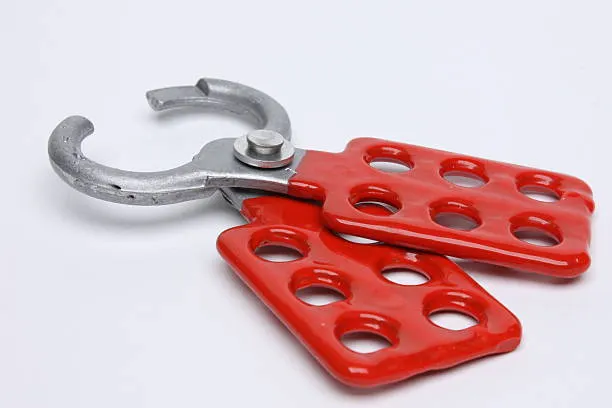
- Hasps and Tags: They allow multiple workers to affix their own padlocks to a single energy isolation point, ensuring clear identification and safe work practices.
- Plug Lockouts: These devices prevent accidental machine start-ups by completely encasing the plug of electrical equipment.
Following procedures
To ensure workplace safety:
- Always use the correct lockout safety locks for specific equipment
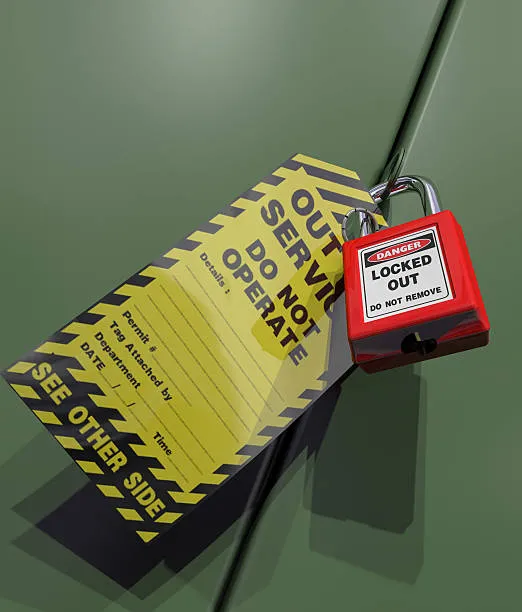
- Clearly label all lockout/tagout devices with relevant information
- Implement a clear and comprehensive lockout/tagout procedure for employees
- Regularly review and update lockout/tagout procedures in line with OSHA safety standards
- Conduct regular audits to ensure compliance with lockout/tagout procedures and identify any areas for improvement
Maintaining Occupational Safety Compliance with Lockout Safety Locks
Staying compliant with occupational safety regulations is crucial for every business. Using lockout safety locks not only helps in preventing workplace accidents but also ensures that your company is following the necessary guidelines and standards.
Importance of staying compliant with regulations
Staying compliant with safety regulations is crucial for maintaining a secure work environment. Compliance ensures that all necessary measures are in place to prevent workplace hazards and adhere to mine safety procedures, ultimately reducing the risk of amputation hazards and electrical accidents.
Business owners must understand that adhering to lockout/tagout regulations not only minimises workplace risks but also demonstrates a commitment to maintaining the well-being of employees, enhancing business reputation, and avoiding potential legal consequences associated with non-compliance.
Adhering to safety regulations is essential for fostering trust among employees, clients, and regulatory authorities. Ensuring compliance with lockout/tagout standards helps in safeguarding against workplace injuries and reinforces a positive workplace culture focused on mines safety and hazard prevention.
Benefits of using lockout safety locks
When it comes to workplace safety, lockout safety locks play a crucial role in protecting employees and preventing accidents. Implementing lockout safety locks provides several benefits, including ensuring that equipment remains out of operation during maintenance or repair, reducing the risk of accidental start-ups, and increasing overall awareness of potential hazards among employees.
By using lockout safety locks, businesses can effectively control energy sources, prevent unexpected release of stored energy, and ultimately safeguard their workers from electrical hazards and amputation risks.
Moreover, incorporating lockout safety locks into daily operations promotes a culture of compliance with occupational health and safety regulations. This proactive approach not only minimises the likelihood of accidents but also enhances productivity by encouraging efficient maintenance procedures without compromising employee well-being.
Success Stories of Lockout Safety Locks
Explore real-life case studies of how lockout safety locks have made a significant impact on workplace safety across various industries. See firsthand the positive outcomes and benefits that come from implementing effective lockout/tagout procedures.
Case studies of successful use in different industries
Impact on workplace safety
Enhancing workplace safety with the implementation of lockout safety locks has significantly reduced the incidence of amputation hazards and electrical equipment-related accidents.
Employees have become more aware and cautious, following protocols for maintenance and operation. Employers have observed lower incident rates, leading to decreased work downtime and improved productivity.
Lockout safety locks have instilled a culture of safety, fostering a safer working environment where compliance with regulations is prioritised.
Conclusion
We’ve explored the crucial role of lockout safety locks in bolstering industrial safety. By emphasising practicality and efficiency, these strategies provide simple yet effective ways to enhance workplace hazard prevention. Implementing lockout/tagout procedures underscores their importance and potential impact on preventing electrical equipment maintenance incidents and controlling amputation hazards. Highlighting the importance of staying compliant with regulations ensures a safe working environment.
We have discussed how these approaches can lead to significant improvements and resolutions of common problems in the field. Remember, maintaining occupational safety compliance with lockout safety locks is not only essential but also achievable through proper training and communication. Let’s continue driving workplace safety forward by taking action today for a safer tomorrow!
Sorting out lockout for your own site?
Describe what needs isolating and we'll help you work out the setup that fits.