
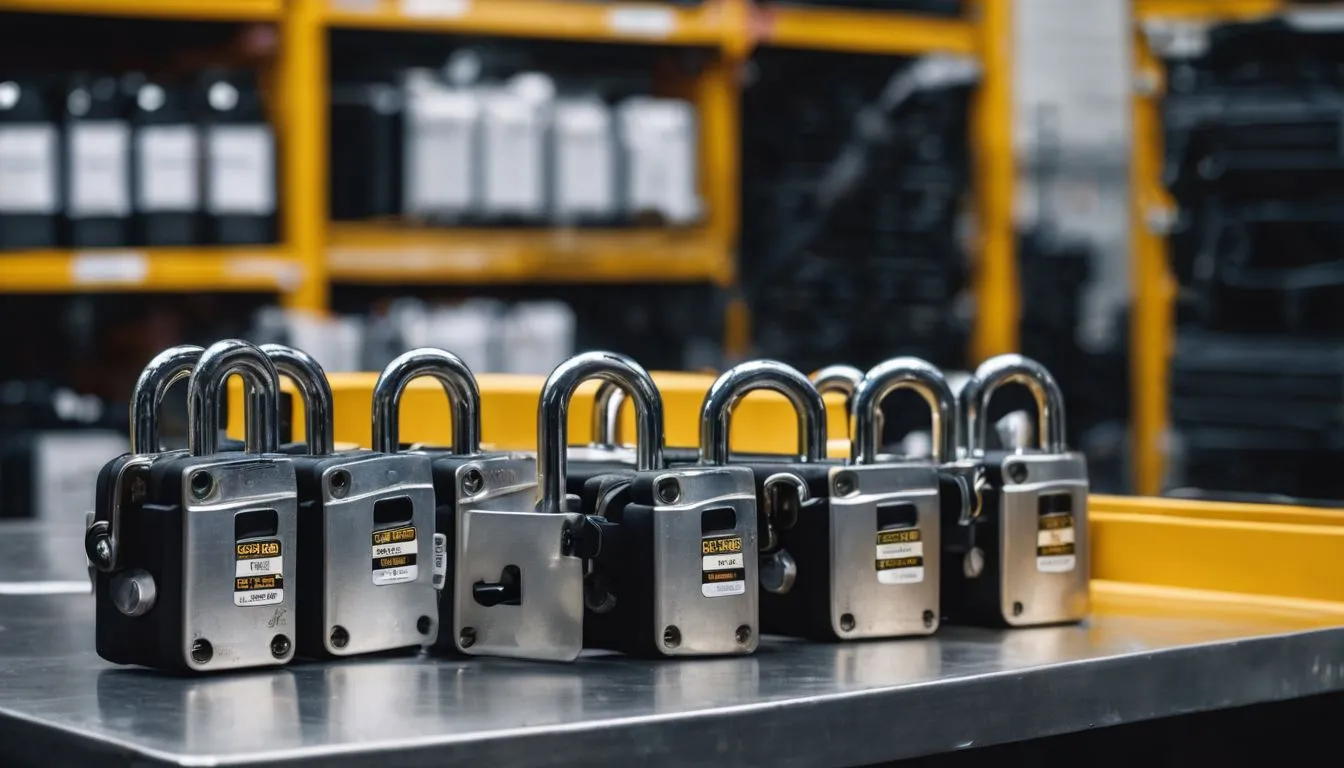
Every workplace has its fair share of risks, but what if I told you there’s a straightforward solution that could significantly reduce them? As business owners down under, we’ve all wrestled with the challenge of keeping our teams safe during equipment maintenance.
It turns out, proper lockout/tagout procedures are not just good practice, they’re lifesavers. Recent studies have shown how these safety measures can prevent countless injuries each year.
Our experience sheds light on the fact that these safety locks are more than just ticking a box for compliance; they’re transformative for your workspace’s wellbeing. Mate, this isn’t just about following rules – it’s about protecting our mates on the floor and making sure everyone gets home safe at day’s end.
Discover why this is an absolute game-changer for any Aussie workplace.
The Importance of Lockout/Tagout in Enhancing Workplace Safety
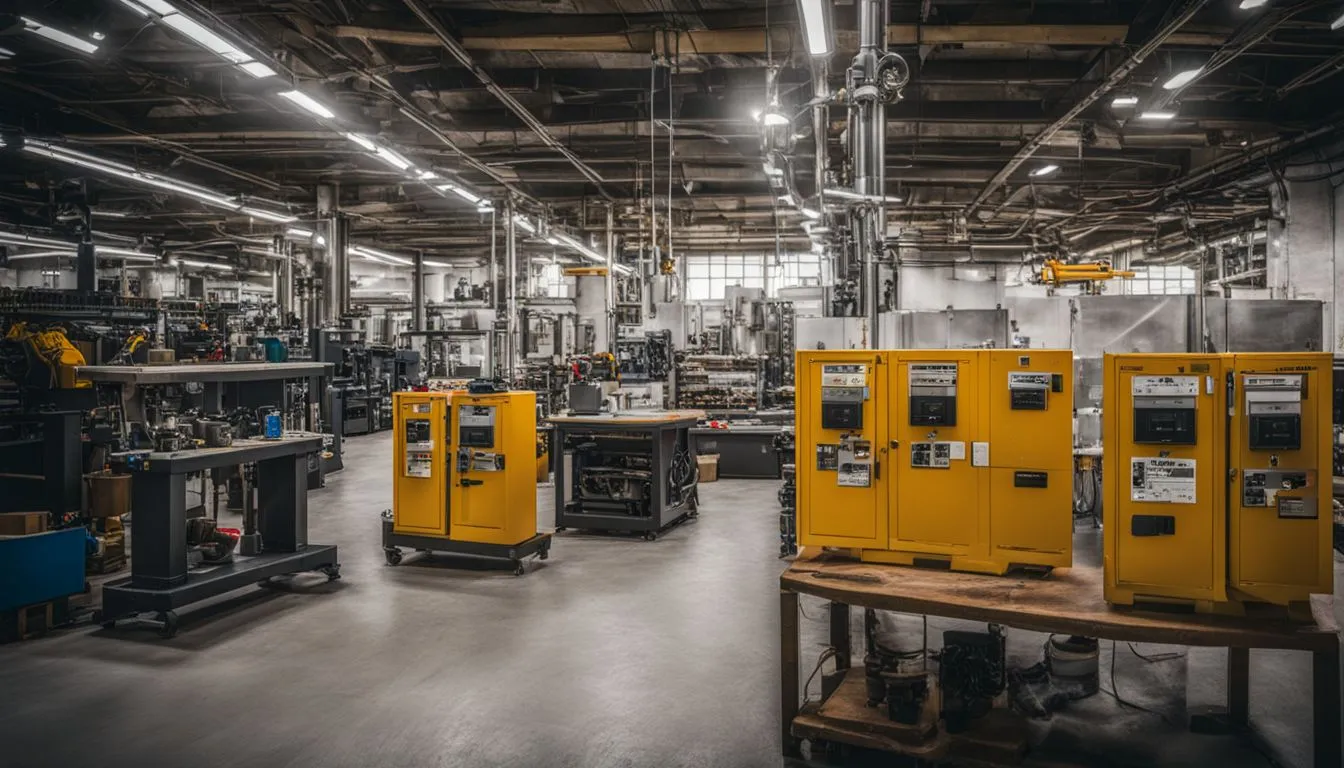
Lockout/tagout procedures are crucial in preventing accidents in the workplace by ensuring that hazardous energy sources are properly isolated. Compliance with these regulations is essential for maintaining a safe working environment and reducing the risk of workplace injuries or fatalities.
Role in Accident Prevention
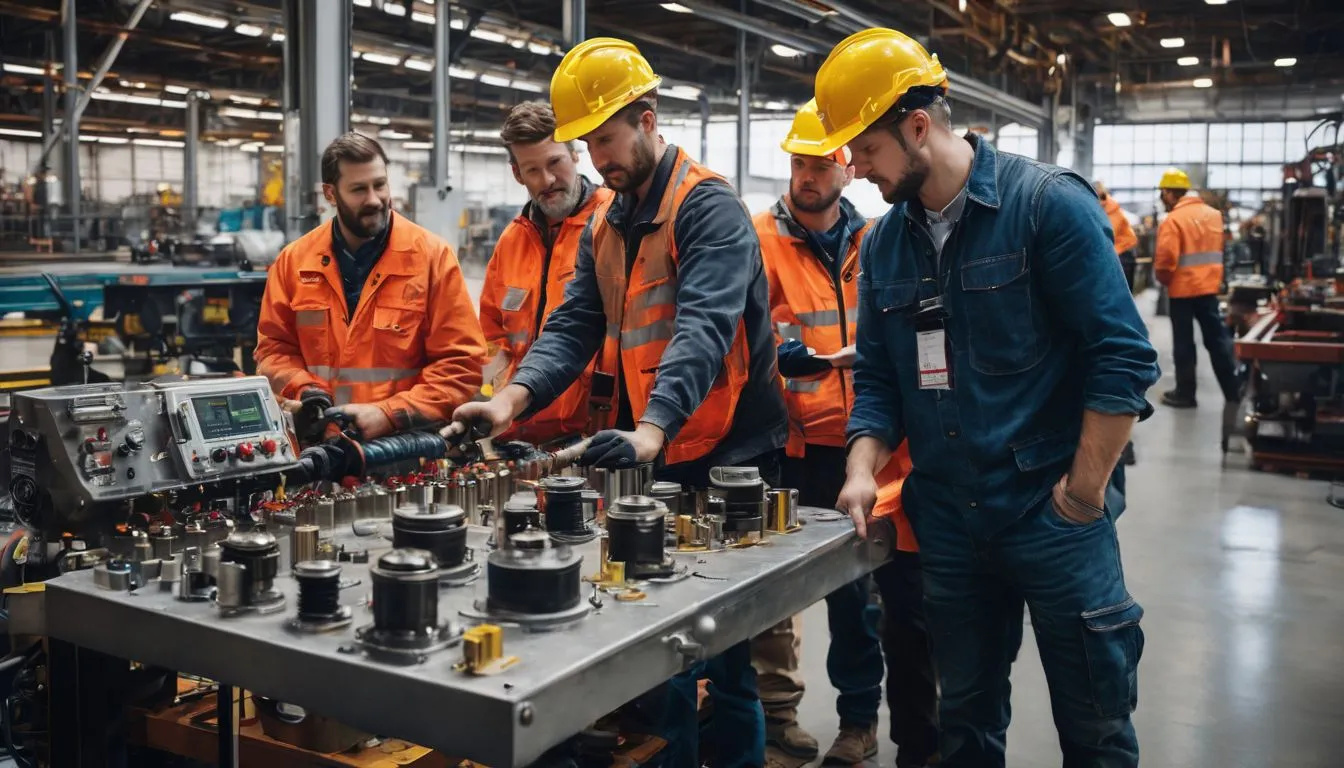
We know how vital it is to prevent accidents in the workplace, and lockout/tagout plays a crucial role in making this happen. By isolating hazardous energy during equipment maintenance or shutdowns, we dramatically reduce the risk of unexpected startups that could lead to injury or worse.
It’s about control; controlling the energy means controlling the safety of our team.
Employing these procedures ensures everyone on the floor recognises danger signs and respects them as non-negotiable boundaries. Properly placed lockout devices and clearly visible safety tags speak volumes about our commitment to occupational health – they’re sentinel-like guardians against potential mishaps, silently averting workplace hazards before they have a chance to escalate into full-blown disasters.
Our joint responsibility is clear: uphold these practices not just for compliance, but because lives depend on them every single day at work.
Compliance with Australian Workplace Health and Safety Regulations
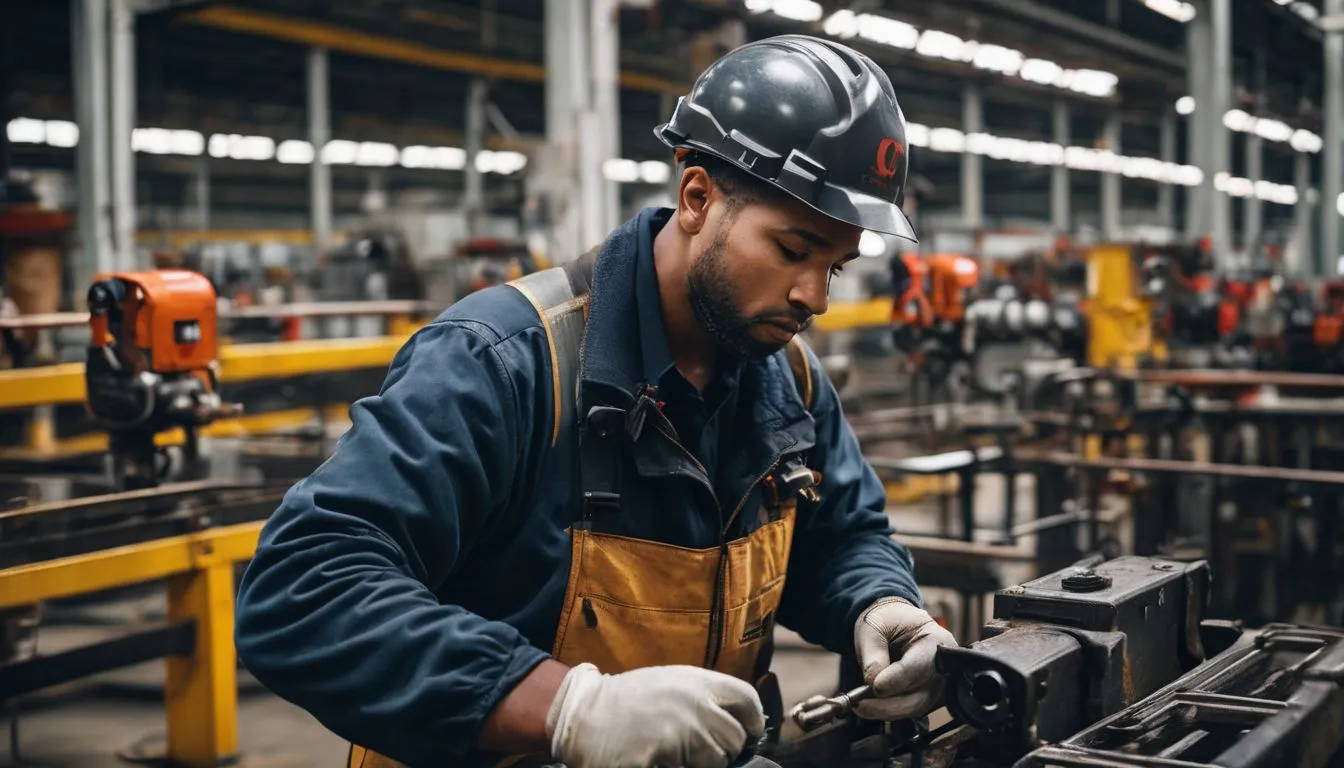
Lockout safety locks aren’t just a practical tool; they’re our commitment to upholding the rigorous Australian Workplace Health and Safety Regulations. These regulations are all about protecting employees from harm, which means any piece of equipment that can store hazardous energy must be properly isolated during maintenance or repairs.
Using lockout devices ensures no one can accidentally restart machinery while someone else is working on it – a crucial step in safeguarding their teams.
We understand that navigating these legal requirements might seem daunting at first glance. However, integrating lockout procedures into daily operations demonstrates our dedication to not only meeting but exceeding standards set for occupational health and industrial safety.
It’s more than ticking boxes; it’s actively fostering a culture where workplace accidents are dramatically reduced because every team member knows exactly how to handle equipment shutdowns with the utmost care and precision.
Benefits of Lockout Systems in the Workplace

Implementing lockout systems in the workplace offers a range of benefits, including improved safety, increased regulatory compliance, and cost-effective accident prevention. These systems are essential for protecting employees from hazardous energy sources and ensuring a safe working environment.
Improved Safety
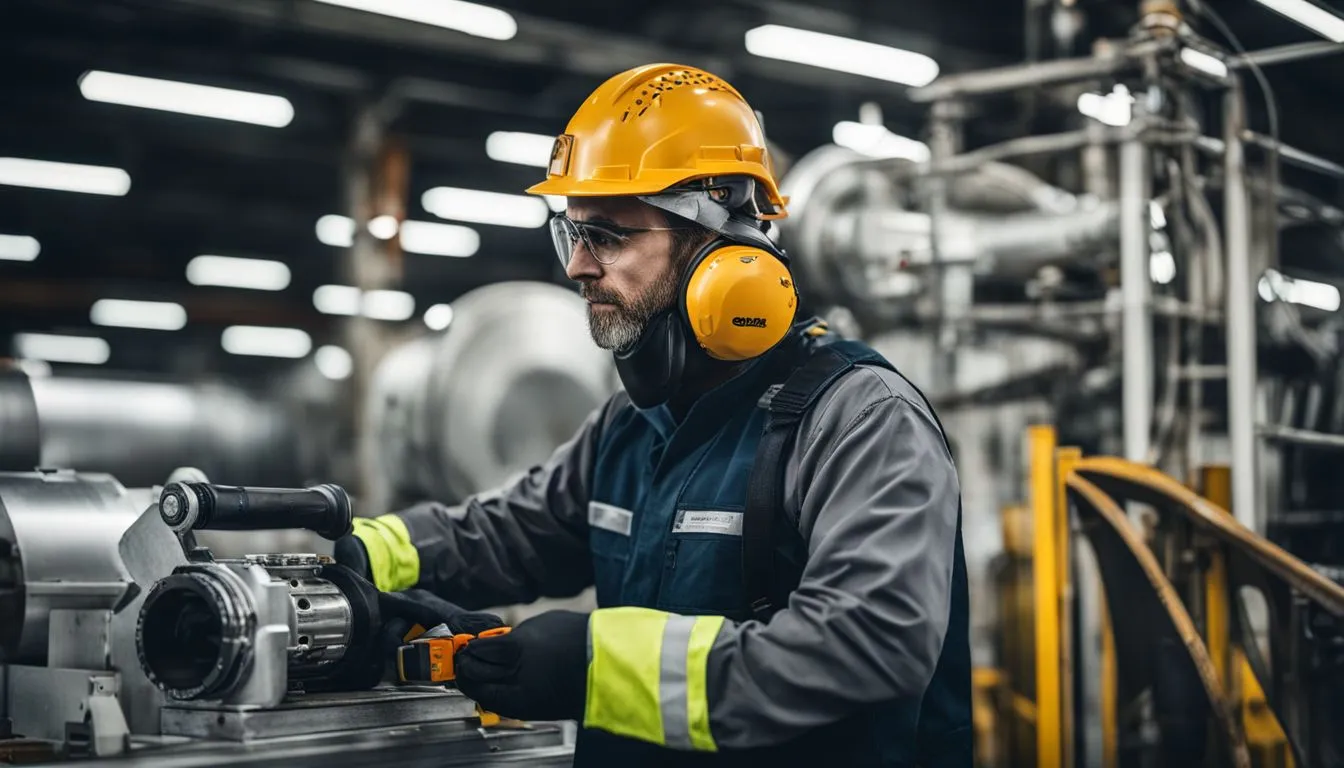
Lockout systems provide us with a robust shield against the unpredictable release of hazardous energy during maintenance. They secure their machinery and equipment effectively, ensuring that they remain inert until they’ve finished their tasks.
This crucial strategy significantly reduces the risk of workplace accidents, offering peace of mind for both business owners and employees alike.
Our adoption of lockout procedures aligns seamlessly with Australian standards, promoting a safety-first culture within our operations. We equip our teams with the necessary lockout equipment to create an environment where safety is not an afterthought but a pre-planned guarantee.
Through this diligence, we witness fewer machine-related injuries and foster a more attentive workforce attuned to occupational health protocols.
Increased Regulatory Compliance
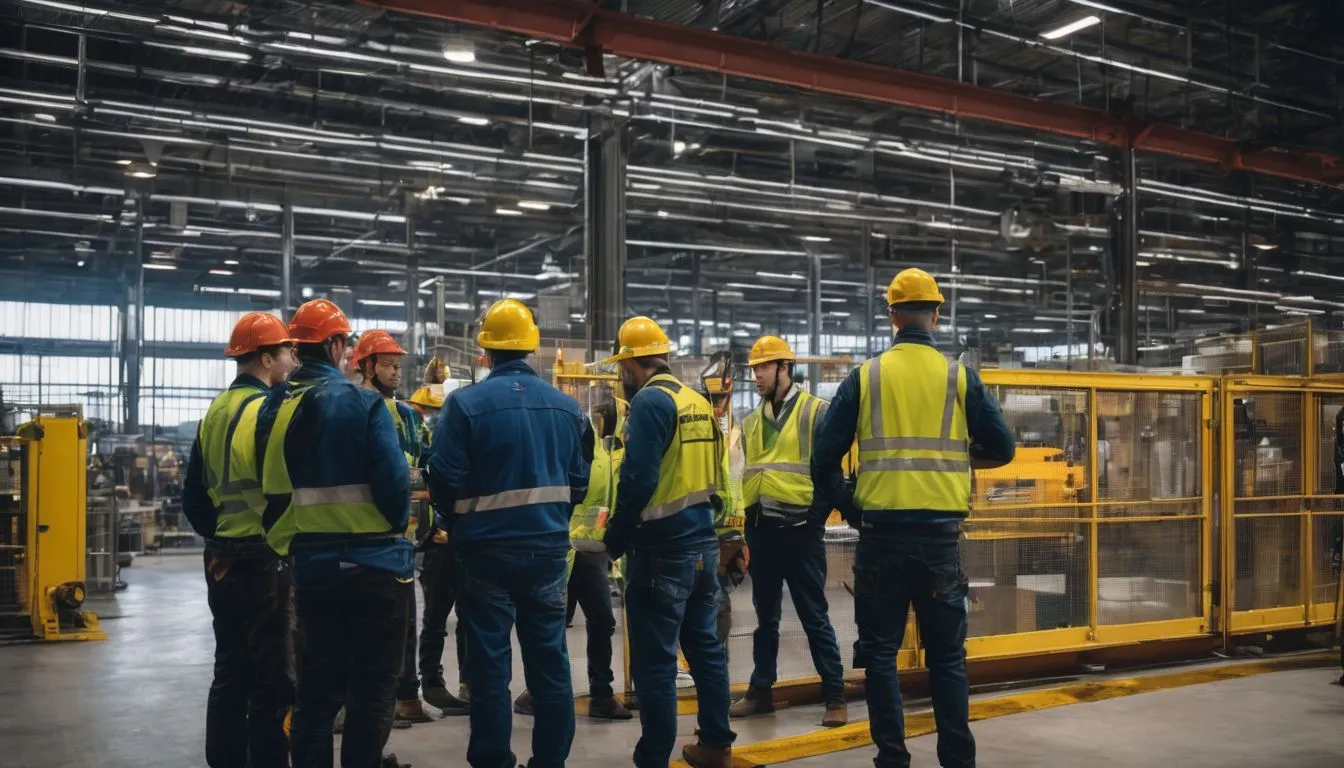
Improved safety isn’t just about preventing accidents; it also ensures we meet stringent standards set by Australian workplace safety regulations. Using lockout procedures plays a crucial role in this compliance effort.
They follow these rules not only to avoid penalties but also to establish that their facility is dedicated to the highest levels of occupational health and safety.
This commitment positions us at the forefront of industrial best practices, showing our stakeholders that comprehensive work environment management is central to our operations. By incorporating detailed written procedures for equipment shutdown and maintenance, we stay ahead of legislative changes and ensure every team member knows how to isolate hazardous energy safely.
Our adherence streamlines audits, with ready evidence demonstrating regulatory conformity on demand, which in turn helps maintain operational licences and builds trust among our clients and workforce alike.
Cost-Effective Accident Prevention
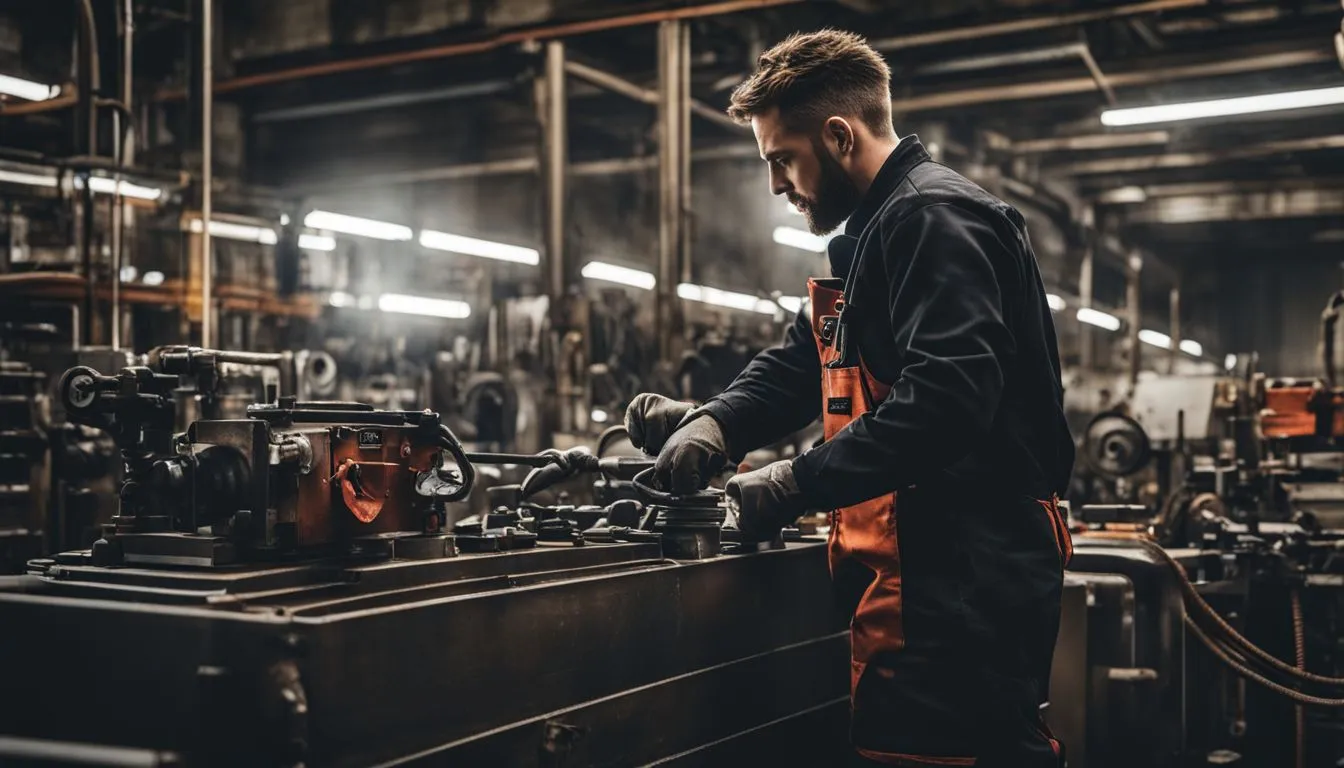
Lockout systems stand as a low-cost solution compared to the potential financial drain caused by workplace accidents. Implementing robust lockout/tagout procedures drastically reduces the risk of injury and machinery damage, which can lead to expensive downtime and hefty compensation claims.
We’ve seen firsthand how investing in quality lockout equipment pays off; it’s like an insurance policy that keeps giving back by safeguarding both personnel and productivity.
We understand that education is key in maximising these benefits, so we emphasise proper training for all staff involved in machine maintenance and equipment shutdown. This upfront commitment to occupational safety not only prevents accidents but also avoids violations of Australian standards, leading to more savings on possible fines or legal troubles.
Trust us when we say that harnessing the power of lockout safety locks will transform your business’s approach to hazard management while keeping your balance sheet healthy.
The Pathway to Safety Enlightenment: How Lockout Safety Locks Factor In
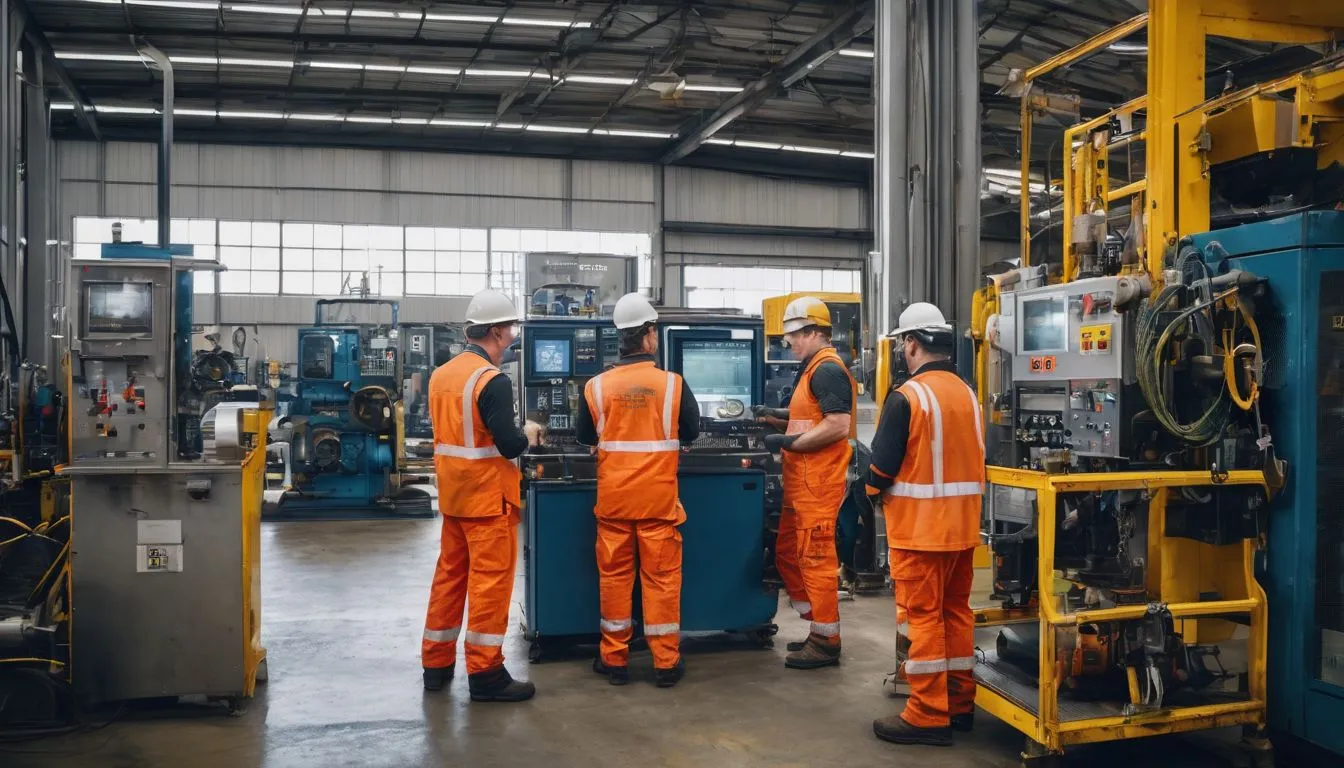
As we navigate the complexities of workplace safety, lockout safety locks emerge as vital guardians against accidental energy releases. These tools are indispensable in ensuring that machinery remains inert during maintenance and repair.
Imagine them as keys to a kingdom where every power source is tamed, every control point marked, and hazards kept firmly at bay. They don’t just lock down equipment; they unlock peace of mind for us and our teams.
Employing these locks effectively requires clear written procedures tailored to each piece of equipment’s unique demands. It’s not enough to have the gear; knowing how to use it correctly is crucial.
We must train our staff diligently in lockout/tagout protocols, ensuring that these practices become second nature. With proper implementation, we transform potential danger zones into spaces where safety reigns supreme, ushering in an era of enlightenment where workplace accidents remain firmly in the past.
Components of a Lockout/Tagout Procedure
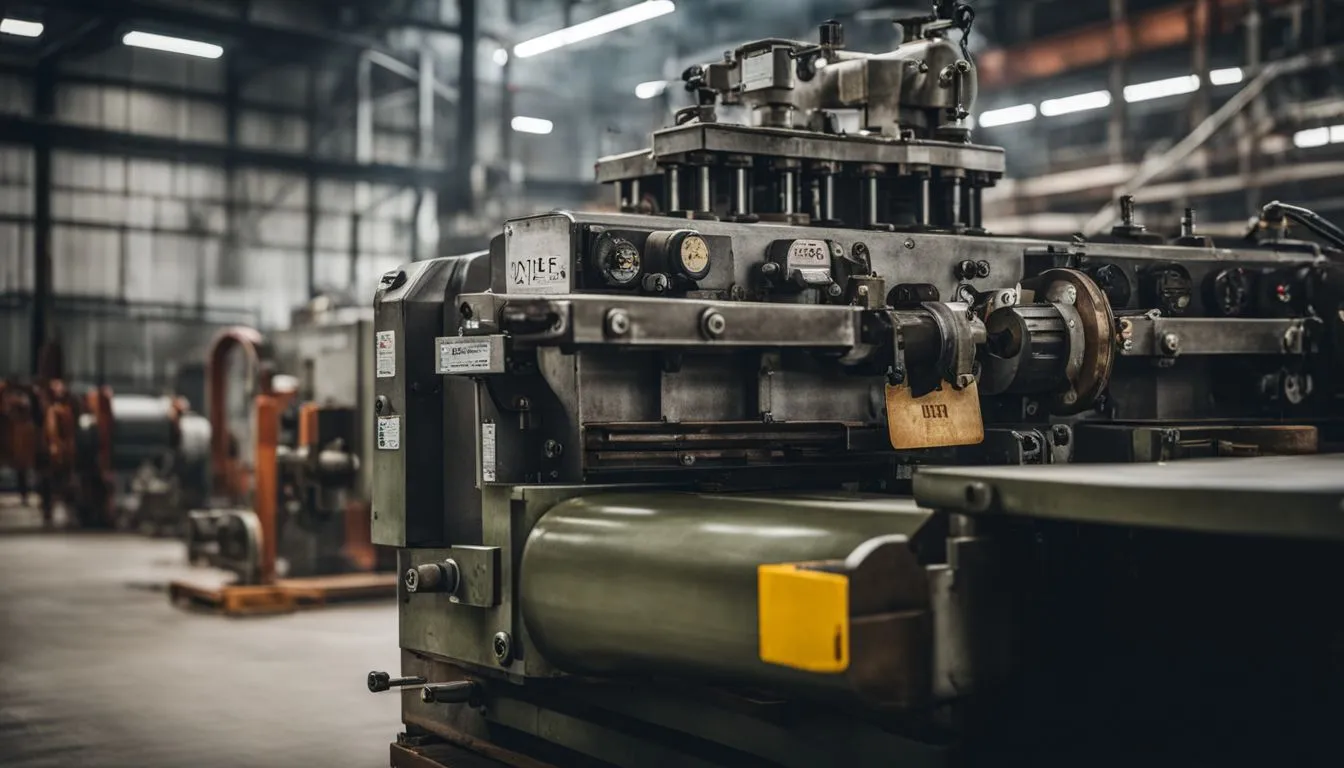
Training on lockout/tagout procedures is essential to ensure that employees understand the proper use of safety locks and tags, as well as the importance of following written safety protocols.
To learn more about how these components come together to transform workplace safety, keep reading.
Training on Procedures
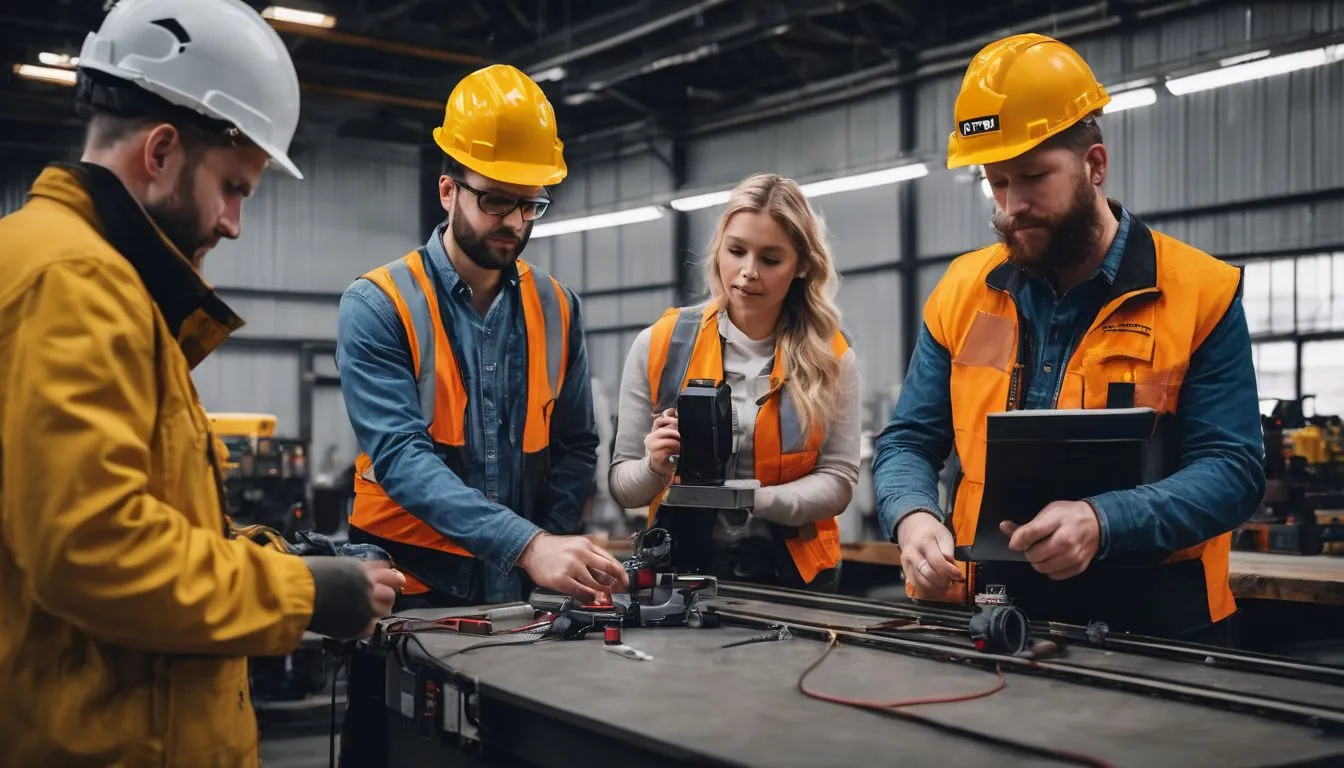
Ensuring our team understands lockout/tagout procedures is crucial for safety. We prioritise comprehensive training to prevent workplace accidents and comply with Australian standards.
- Create detailed written procedures for equipment shutdown and maintenance that include clear steps for hazardous energy isolation.
- Distribute safety protocols that outline the process of attaching danger signs and safety tags during a lockout.
- Organise regular workshops where employees can practise applying lockout devices under supervision, reinforcing correct usage.
- Make certain that all new hires undergo an orientation on the importance of following lockout/tagout procedures before they begin work.
- Assess workers’ understanding periodically through quizzes or practical tests to ensure their knowledge remains fresh.
- Utilise visual aids like diagrams and flowcharts to help clarify complex steps involved in machine maintenance safety.
- Encourage experienced staff members to share real – life examples of lockout/tagout situations, emphasising lessons learned from past experiences.
- Offer refresher courses that incorporate any updates in workplace health and safety regulations or changes in industrial safety technology.
- Employ simulations or virtual reality modules to provide hands – on experience without the risk of actual hazardous energy exposure.
Use of Lockout/Tagout Devices
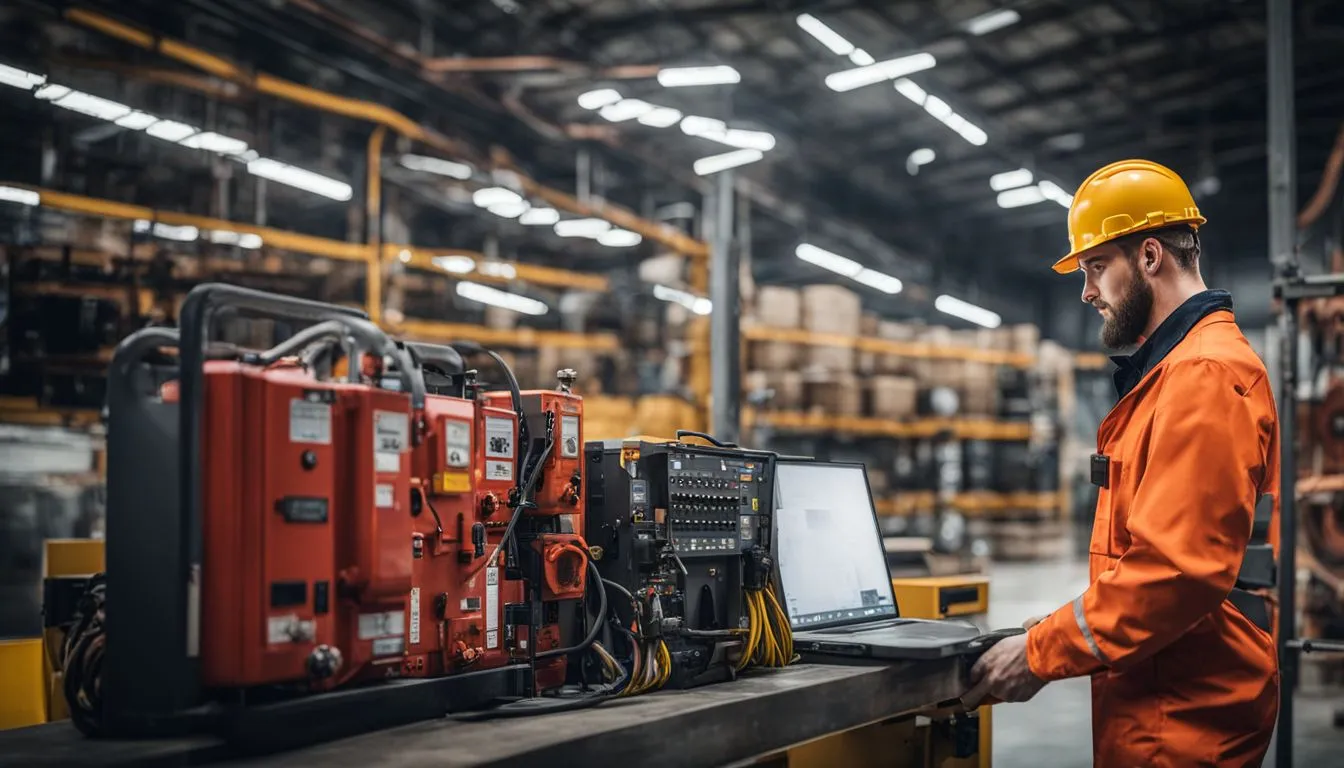
Lockout/tagout devices play a crucial role in workplace safety by ensuring hazardous equipment is properly shut down and isolated from energy sources. When using lockout/tagout devices, consider these essential points:
- Implement Clear Lockout Procedures:
- Training on Correct Device Usage:
- High-Quality Lockout Devices:
- Safety Tags as Visual Indicators:
- Regular Maintenance and Inspections:
- Enforce Adherence to Safety Protocols:
- Align with Australian Regulatory Standards:
Conclusion
In conclusion, the implementation of lockout safety locks can significantly transform workplaces. We have discussed the practical benefits and efficiency of these systems in enhancing workplace safety through equipment shutdown and hazardous energy isolation.
It’s essential to emphasise the importance and impact of adopting lockout/tagout procedures in preventing workplace accidents and maintaining regulatory compliance. For further guidance on achieving occupational safety goals, businesses can explore additional resources or services available in this field.
Remember, taking proactive steps towards workplace safety not only protects employees but also fosters a productive and thriving work environment for all.
Sorting out lockout for your own site?
Describe what needs isolating and we'll help you work out the setup that fits.