


Ensuring workplace safety can be a real head-scratcher, and trust us, we’ve been wrangling with this challenge alongside you. Discovering the critical role of lockout safety locks has been a game-changer for us, did you know that having the right lockout/tagout procedures in place could dodge up to 50,000 injuries each year? We’re here to share our yarns and shed light on how you can boost your safety measures while keeping up with the nitty-gritty of compliance standards.
Come on, let’s piece together this puzzle for safer workplaces all around!
Understanding Lockout Safety Locks

Lockout safety locks are a crucial part of machinery and equipment safety procedures in the workplace. They ensure that only authorised personnel can access or operate potentially dangerous machinery, reducing the risk of accidents and injuries.
Understanding the difference between lockout and tagout procedures is essential for maintaining compliance with safety regulations.
Definition and Importance

Lockout safety locks are devices that physically secure machinery and equipment, ensuring they remain inoperative during maintenance or repair work. They are a critical element of lockout/tagout (LOTO) procedures, which are designed to protect workers from the unexpected energisation or start-up of machinery and equipment, as well as the release of hazardous energy during service activities.
Implementing these safety tools is not just about following rules; it’s a fundamental practice for maintaining workplace safety and operational efficiency. It helps prevent workplace accidents and injuries, thereby safeguarding employees while simultaneously adhering to compliance regulations such as HSE standards.
The application of lockout safety locks enables businesses like yours to achieve both operational excellence and industry compliance, a dual advantage with significant impact on overall business success.
Difference between Lockout and Tagout

Understanding the distinction between lockout and tagout is crucial for ensuring workplace safety. Lockout involves physically securing a device with a lock, rendering equipment inoperable during maintenance or repair.
This method provides robust protection against accidental reactivation, as machinery cannot be restarted until the lock is removed with the proper key or combination. On the other hand, tagout uses warning signs or labels – tags – to signal that equipment should not be used.
Tags alert employees but do not physically block machine operation, making them less secure than locks.
We must emphasise the importance of using these methods correctly. While both serve to communicate critical information about equipment status, a physical barrier provided by lockouts significantly reduces risk compared to tagouts alone.
Choosing whether to implement lockout or tagout will depend on several factors including regulatory requirements and types of machinery involved in your operations, always aiming at achieving operational excellence and compliance within your business environment.
Compliance with Lockout Tagout (LOTO) Standards

Compliance with Lockout Tagout (LOTO) standards is crucial for ensuring workplace safety and preventing accidents. Understanding the specific regulations set by Australian Standards and OSHA can help businesses avoid violations and create a safer work environment for their employees.
Australian Standards for LOTO

We adhere strictly to the Australian Standards for LOTO, ensuring our operations meet the requirements set by AS/NZS 4801 and AS/NZS 4014. These standards dictate procedures to control hazardous energy during service or maintenance of machines and equipment.
For us, compliance is not just about ticking boxes; it’s about providing a safe working environment where every team member understands their role in lockout safety protocols.
Implementing LOTO effectively means thorough planning and applying safety padlocks and devices that are durable, standardised, and identifiable. We prioritise training every worker on these procedures because we recognise that a well-informed team is essential for operational excellence.
Their goal remains clear: to maintain an accident-free workplace while optimising machinery operation efficiency through best practices in lockout/tagout procedures.
OSHA Standards and Regulations
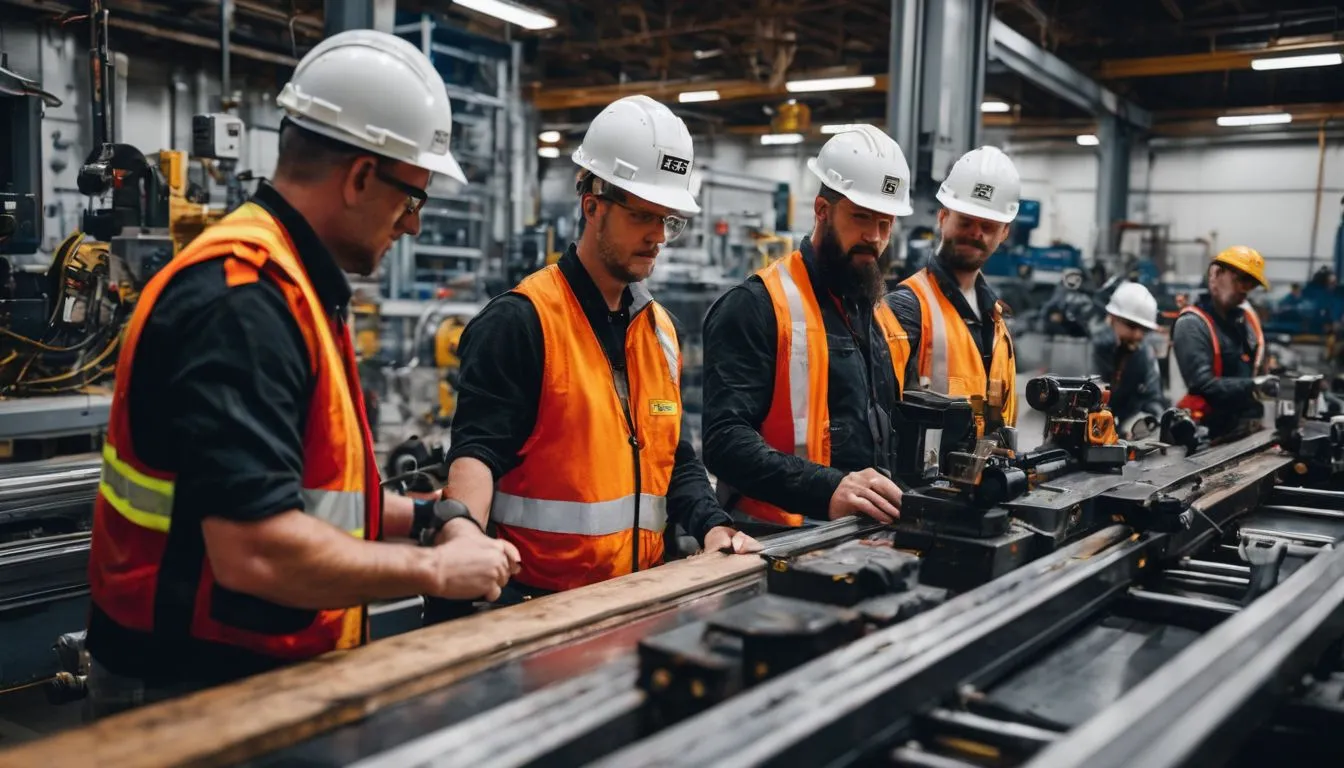
Meeting HSE standards and regulations is a critical step in safeguarding our workplace. These rules are designed to ensure that lockout/tagout procedures are not only followed but also effectively prevent unexpected energisation or startup of machines and equipment.
As responsible business owners, implementing these standards means we’re committing to operational excellence by putting the safety of our employees first.
We take pride in rigorously applying HSE guidelines across all levels of operations, from the use of approved lockout devices to comprehensive worker training on safety procedures.
Through this dedication, they maintain machinery operation efficiency while significantly reducing the risk of workplace accidents. Embracing these regulations isn’t just about compliance; it’s about building an environment where safety and productivity go hand in hand for long-term success.
Exceptions and Violations

Exceptions and violations in lockout tagout (LOTO) protocols can lead to severe consequences. We must acknowledge that while most scenarios require strict adherence to safety standards, there are rare instances where deviations happen.
These exceptions might include emergency situations where immediate action is necessary to prevent harm or during unforeseen operational challenges that demand swift interventions.
Despite these exceptions, it’s vital we do not become complacent about LOTO procedures. Violations of established guidelines should trigger rigorous investigations and corrective actions.
Failing to correctly implement lockout safety measures can result in dangerous accidents and hefty fines for non-compliance with regulatory requirements such as OSHA or Australian Standards.
It’s our responsibility as business owners to maintain a culture of safety and compliance, ensuring that every worker understands the gravity of cutting corners with lockouttagout procedures.
The Role of Lockout Safety Locks in Achieving Operational Excellence

Lockout safety locks play a crucial role in achieving operational excellence by providing improved safety for employees, preventing accidents and injuries, and ensuring compliance with regulations.
With the use of lockout safety locks, businesses can optimise machinery operation efficiency while maintaining workplace safety standards.
Improved safety for employees

We take pride in elevating workplace safety, and lockout safety locks play a crucial role. These devices ensure that machinery is completely shut off before any service or maintenance begins.
This straightforward step prevents unexpected start-ups, a common cause of injury on the job. By integrating these locks into our daily routines, we create an environment where every employee can work with confidence, knowing their well-being is protected.
Our commitment to operational excellence includes preventing accidents and injuries through strict adherence to lockout/tagout (LOTO) procedures. We enforce the use of durable safety padlocks and tags during critical maintenance operations, effectively eliminating risks posed by electrical circuits and moving parts.
With each worker educated on safe machinery operation efficiency, their team operates smoothly without compromising anyone’s health or security.
Prevention of accidents and injuries

Lockout safety locks serve as a frontline defence against workplace accidents and injuries, effectively isolating hazardous energy sources. Enforcing their use ensures machines remain inoperative while maintenance or repairs are underway, significantly reducing the risk of sudden start-ups.
Implementing stringent lockout tagout protocols not only protects staff from harm but also bolsters our commitment to operational excellence.
Ensuring each employee understands and applies these safety procedures is crucial for maintaining an accident-free work environment. Their role is to provide clear instructions on using lockout devices properly and verify that all machinery is securely locked out before any service begins.
This proactive approach minimises potential dangers and upholds our reputation for prioritising worker safety above all else.
Compliance with regulations
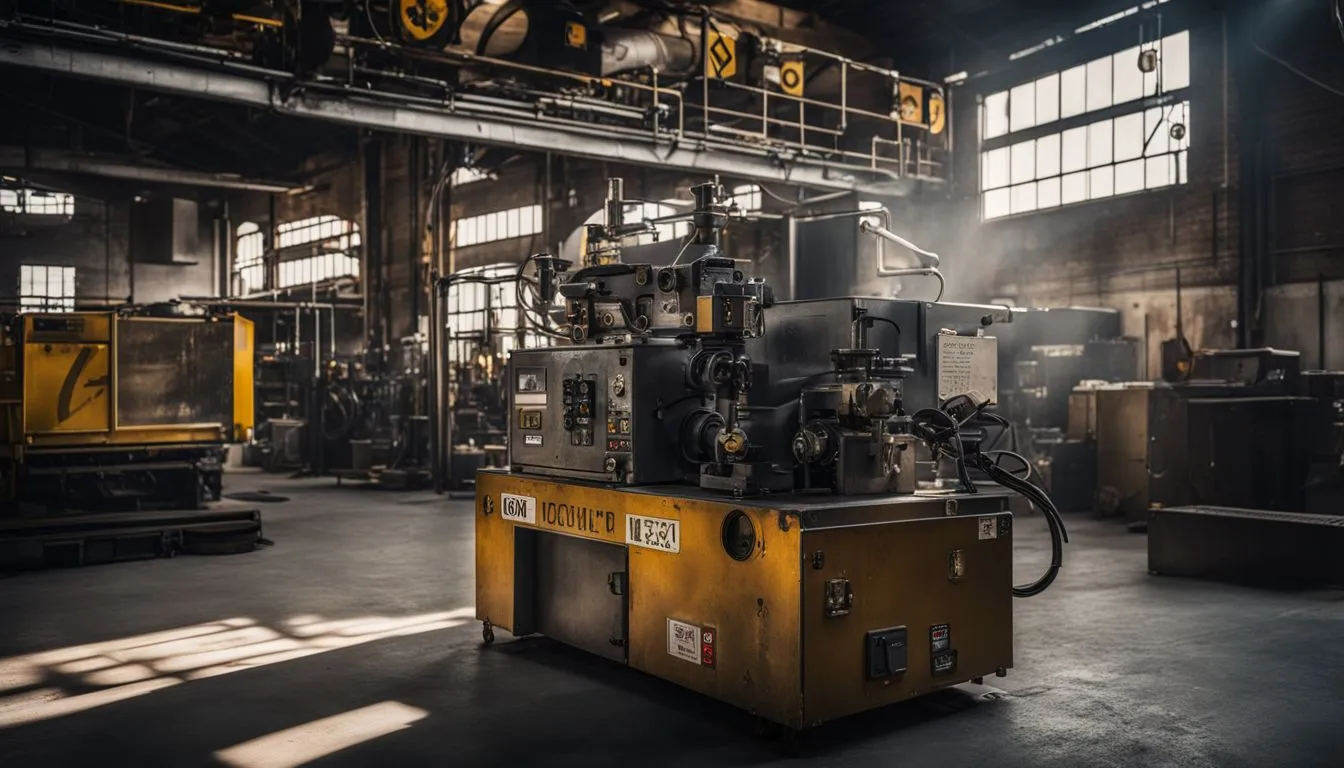
Ensuring compliance with regulations is a key aspect of implementing lockout safety locks in your workplace. Meeting Australian Standards for Lockout Tagout (LOTO) not only promotes a safe working environment but also aligns with industry best practices, boosting your company’s reputation and credibility.
Adhering to Occupational Safety and Health Administration (OSHA) standards and regulations demonstrates a commitment to employee welfare while avoiding potential legal repercussions.
By staying updated on exceptions and violations related to lockout safety, you can proactively address any compliance gaps within your machinery operations.
Demystifying Lockout Safety Locks: Their Undeniable Role in LOTO

Lockout safety locks play an undeniable role in Lockout Tagout (LOTO) procedures, ensuring the safety and security of employees and compliance with workplace regulations. These specialised locks are crucial for de-energising and preventing the operation of machinery during maintenance or servicing, eliminating potential hazards and safeguarding workers from accidents.
By utilising lockout safety locks as part of a comprehensive LOTO programme, businesses can enhance operational efficiency while prioritising employee welfare and adherence to safety standards.
The use of these devices is instrumental in reducing workplace accidents, providing peace of mind to employees, managers, and regulatory bodies involved.
Integrating lockout safety locks into LOTO protocols not only streamlines operations but also instils confidence that every necessary precaution has been taken to maintain a safe working environment.
Incorporating these essential tools ensures consistent compliance with regulatory requirements governing equipment maintenance and worker protection, ultimately leading to improved operational performance across various industries.
Moving on from demystifying lockout safety locks, let’s delve into the key components that make up an effective Lockout/Tagout procedure.
Key Components of a Comprehensive Lockout/Tagout Procedure

Identifying machinery and associated risks is crucial, as is notifying affected workers of the lockout/tagout procedure. The shutting down and de-energising of machinery, followed by the proper locking and tagging out of equipment are also essential components.
Identifying Machinery and Risks
When identifying machinery and associated risks, it is crucial to conduct a comprehensive assessment of all equipment and electrical circuits in the workplace. By visually inspecting each machine and its components, including electrical panels and control boxes, we can identify potential hazards such as moving parts, exposed wiring, or pressurised systems.
It’s imperative to consult safety guidelines and regulatory requirements during this process to ensure that no risks are overlooked.
Additionally, engaging with equipment operators and maintenance personnel provides valuable insights into the operational aspects of machinery. Their input can highlight specific task-related risks associated with set-up, operation, or maintenance procedures.
Notifying Affected Workers
After identifying machinery and the associated risks, notifying affected workers about lockout procedures is crucial to ensure their safety. This involves clearly communicating with all employees who may be impacted by the lockout/tagout process.
It’s essential for affected workers to understand why and when such protocols are being implemented, what measures will be taken, and how it might affect their tasks or responsibilities.
By doing so, there is clarity on the potential impact of locking out equipment, reducing the risk of accidents or injuries due to misunderstandings. Notification should also outline any alternative work arrangements during machine shutdowns.
Shutting Down and De-energising Machinery
To safely shut down and de-energise machinery, it is crucial to follow a systematic process. First, identify the specific machinery that needs to be stopped and powered down. Then, notify all affected workers about the impending shutdown to ensure their safety.
Next, carefully shut off the power supply or energy source to the equipment in question.
Following this, use lockout safety locks to secure the machinery and prevent any unauthorised restart attempts. Additionally, tagging out the equipment will provide clear visual indication of its status and help avoid accidental energisation.
Locking and Tagging Out Machinery
After shutting down and de-energising the machinery, the next critical step in ensuring workplace safety is locking and tagging out the equipment. This process involves affixing lockout safety locks to power sources and controlling devices, thereby preventing accidental start-ups during maintenance or repair work.
Furthermore, clearly visible tags with essential information about the locked-out machinery are attached alongside the locks.
The act of physically locking and tagging out machinery serves as a visual confirmation that all necessary precautions have been taken to secure employee safety. By strictly adhering to this procedure, business owners demonstrate their commitment to upholding workplace safety standards, ultimately safeguarding employees from potential hazards while maintaining compliance with regulatory requirements.
Challenges and Solutions in Implementing a LOTO Programme
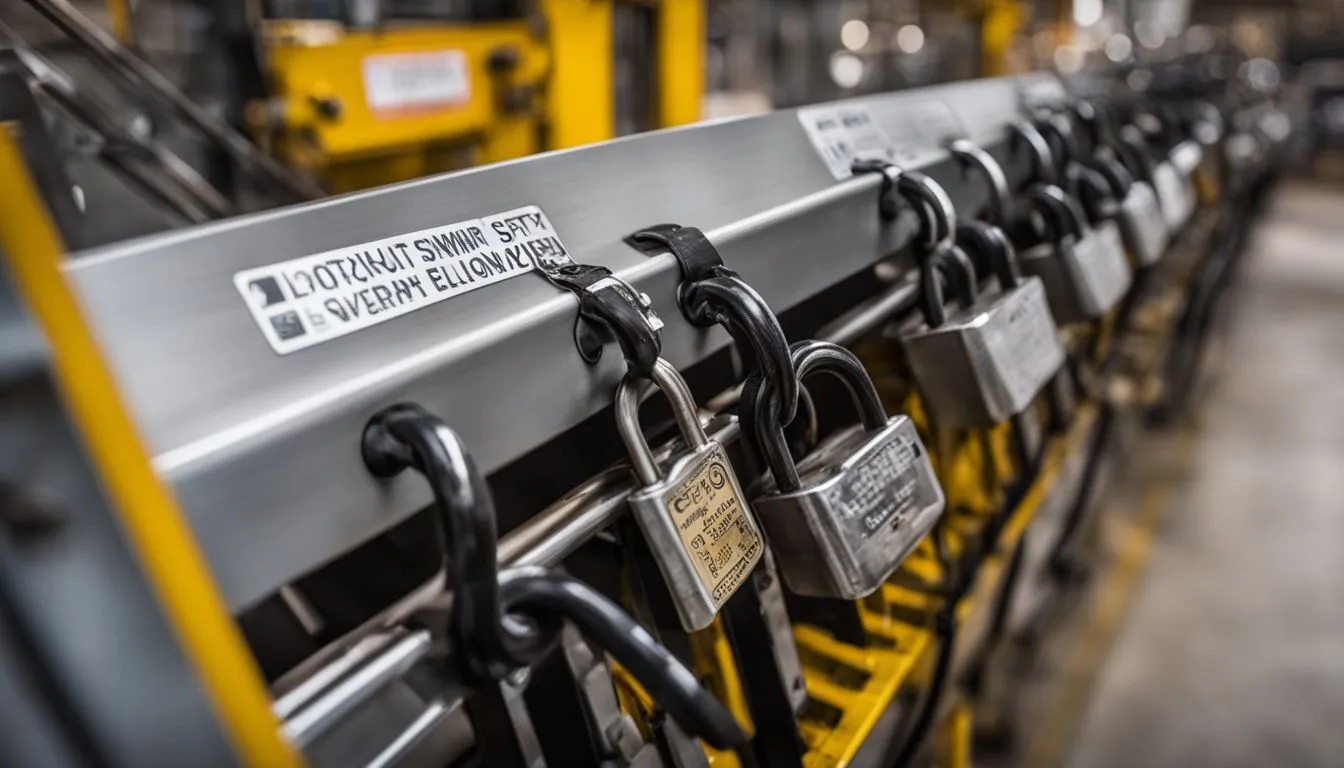
Implementing a LOTO Programme can present challenges such as coordinating group procedures or safely restarting machinery, but with the right training and protocols in place, these obstacles can be effectively managed.
To learn more about overcoming these challenges and achieving operational excellence through lockout safety locks, continue reading our blog.
Group LOTO Procedures
Group LOTO procedures are an essential aspect of ensuring workplace safety and compliance. Here’s a detailed breakdown of the key components:
- Identification of Machinery and Associated Risks: Thoroughly identify all machinery and potential risks that could arise from their operation to ensure comprehensive lockout procedures.
- Notification of Affected Workers: Properly notify all workers who might be impacted by the lockout procedure, ensuring clear communication and understanding among all involved parties.
- Shutdown and De-energisation of Machinery: Methodically shut down and de-energise the machinery in accordance with established safety protocols to eliminate any potential hazards.
- Locking and Tagging Out Machinery: Securely lock and tag out the machinery to prevent unintended operation, providing a physical barrier against potential accidents or injuries.
- Removal of Lockout Devices before Restarting Machinery: Ensure that all lockout devices are removed only when it is safe to do so, following a thorough inspection to verify that no hazards exist.
- Safe Operation during Machinery Set-up and Maintenance: Implement stringent procedures for machinery set-up and maintenance to ensure continued safety while operations are underway.
- Employee Training for Effective Implementation: Comprehensive training for both authorised and affected employees is crucial to ensure successful implementation of group LOTO procedures, safeguarding against workplace accidents and promoting compliance with regulations.
- Regular Evaluation of LOTO Procedures: Continuously reassess the effectiveness of group LOTO procedures through regular evaluations to address any emerging challenges or areas for improvement.
Removing Lockout and Restarting Machinery
- Carefully inspect the machinery and surrounding area to ensure all tools and equipment have been removed.
- Notify all affected workers about the impending removal of the lockout devices and restarting of machinery.
- Ensure that only authorised personnel are involved in removing the lockout devices and restarting the machinery.
- Prior to restarting, ensure that all guards, safety devices, and other protective measures are in place and functioning effectively.
- Test – run the equipment at reduced speed or under low load conditions before resuming full operation.
- Conduct a final inspection to verify that all aspects of the machinery are operating safely and efficiently.
Machinery Operation during Set-up and Maintenance
- Implement clear procedures for setting up and maintaining machinery, including detailed step-by-step instructions for each task.
- Provide adequate training to employees involved in machinery set – up and maintenance, emphasising proper handling, safety protocols, and adherence to lockout/tagout procedures.
- Conduct regular inspections of machinery to identify any potential hazards or issues before operation, addressing them promptly to ensure safety.
- Use specialised lockout safety locks during machinery set – up and maintenance to prevent accidental energisation or movement of equipment.
- Establish a system for communication between employees involved in the process, ensuring that everyone is aware of their roles and responsibilities.
Importance of Employee Training in LOTO Procedure

Employee training is crucial in ensuring the proper implementation of Lockout/Tagout (LOTO) procedures. It helps in equipping workers with the necessary knowledge and skills to effectively carry out safety protocols, reducing the risk of workplace accidents and injuries.
Training for “authorised employees”
Training for “authorised employees” is a critical component of ensuring workplace safety and compliance with lockout/tagout procedures. Authorised employees, who are responsible for implementing the lockout/tagout process, must undergo comprehensive training to understand equipment-specific procedures, potential hazards, and proper use of safety locks.
This training equips them with the knowledge and skills to effectively isolate hazardous energy sources, preventing accidents and injuries.
During this training, authorised employees learn how to identify machinery requiring lockout/tagout, communicate effectively with affected workers, de-energise equipment safely, apply lockout devices correctly, and verify the effectiveness of isolation.
Training for “affected employees”
Training for “affected employees” is a critical component of ensuring workplace safety and compliance with lockout/tagout (LOTO) procedures. It is imperative that affected employees understand the importance of LOTO, how to recognise when it is in use, and the potential dangers associated with its improper implementation.
This training equips them to be vigilant and proactive in situations involving machinery or equipment maintenance, minimising the risk of accidents and injuries.
Implementing comprehensive training programmes will empower affected employees with the knowledge needed to identify when Lockout Safety Locks are in place and understand why adherence to these protocols is crucial.
By fostering a culture of accountability and a shared commitment to safety, businesses can significantly reduce workplace incidents while maintaining operational efficiency.
Retraining and Additional training
After establishing initial training for both “authorised employees” and “affected employees,” it’s crucial to recognise the ongoing need for retraining and additional training within your workplace.
This continuous process ensures that all workers remain knowledgeable about lockout/tagout (LOTO) procedures, machinery risks, and safety protocols. Retraining is particularly valuable when there are changes in equipment or processes, while additional training can help reinforce best practices, leading to a safer work environment overall.
Employers should consider periodic refresher courses on LOTO procedures and invite their workforce to participate in regular safety drills. In addition to enhancing employee skills, this approach promotes a culture of continual improvement and highlights the business’s commitment to maintaining workplace safety standards at all times.
The Impact of Lockout Safety Locks on Compliance

Lockout safety locks play a crucial role in ensuring compliance with workplace safety regulations and standards, both in Australia and the United States. By implementing effective lockout procedures, businesses can proactively prevent accidents and injuries, thereby demonstrating their commitment to regulatory requirements.
Compliance with Australian Standards
Meeting compliance with Australian Standards is a crucial aspect of ensuring workplace safety and operational efficiency. Adhering to these standards not only guarantees the well-being of employees but also minimises the risk of accidents and injuries, ultimately contributing to a more productive work environment.
By incorporating lockout safety locks that align with Australian Standards for LOTO procedures, businesses demonstrate their commitment to upholding the highest levels of safety and regulatory compliance.
Implementing lockout safety locks in accordance with Australian Standards enables businesses to create a secure working environment that prioritises employee welfare while adhering to established guidelines.
Compliance with OSHA Standards
We ensure compliance with HSE standards by adhering to lockout/tagout regulations. This involves implementing effective procedures for de-energising equipment, using safety locks, and providing comprehensive employee training on lockout/tagout protocols.
We also conduct regular audits to verify compliance and maintain a safe working environment for our employees.
Our commitment to meeting HSE standards includes staying updated on any changes in regulations and promptly integrating them into our safety procedures. By consistently following these standards, they prioritise the wellbeing of their employees and mitigate workplace accidents related to machinery operations, thereby promoting operational efficiency and regulatory compliance within their organisation.
Conclusion
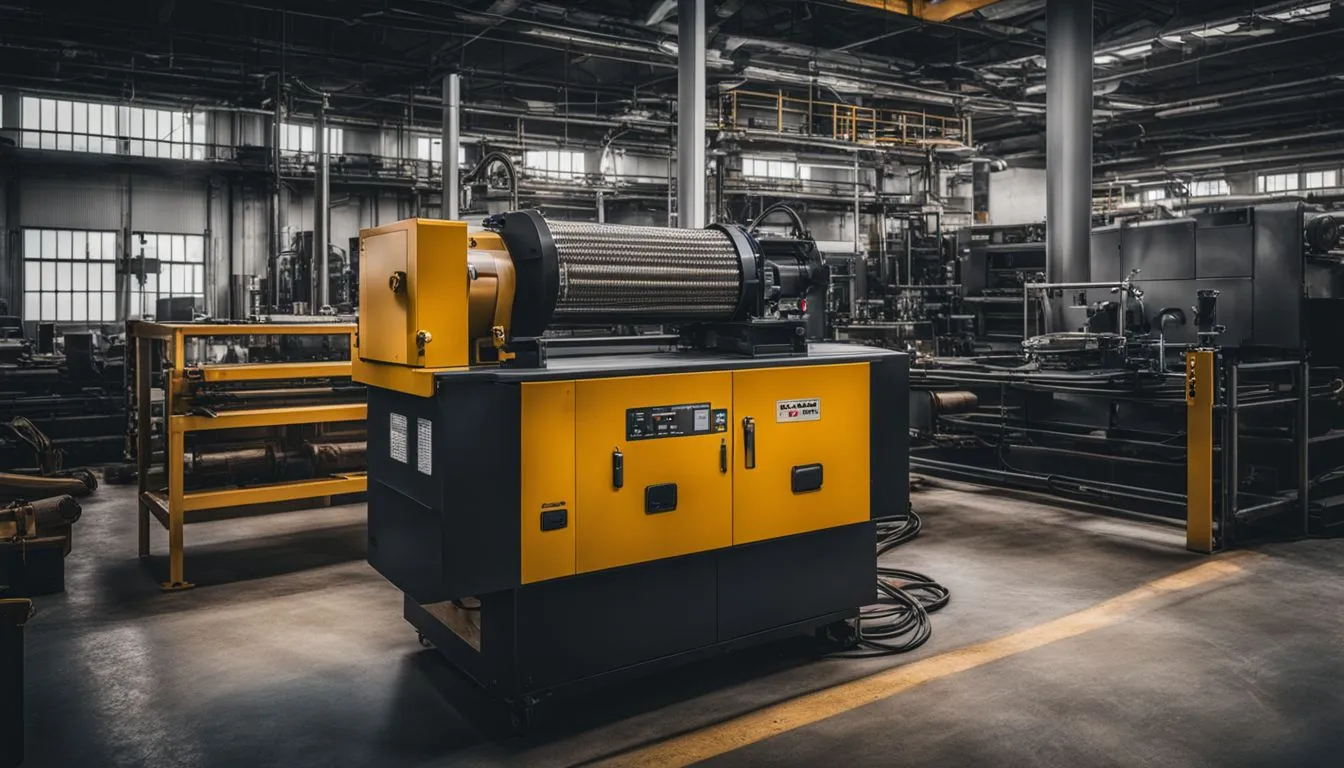
In conclusion, the implementation of lockout safety locks is vital for achieving operational excellence and compliance. By understanding and adhering to LOTO standards, businesses can ensure workplace safety and prevent accidents.
The key components of a comprehensive lockout/tagout procedure are essential for identifying risks and ensuring equipment safety. Challenges in implementing a LOTO programme can be mitigated through group procedures and efficient machinery operation during maintenance.
Employee training plays a crucial role in ensuring compliance with safety protocols and regulations, contributing to improved workplace safety. Ultimately, by embracing these strategies, businesses can achieve enhanced operational efficiency while prioritising employee well-being.
Sorting out lockout for your own site?
Describe what needs isolating and we'll help you work out the setup that fits.